In short cinema, every frame and every second operates with exceptional intensity, condensing emotion and image into something that lingers long after the screening. This year’s International Short Film Competition charts a course through worlds that are geographically distant yet remarkably close in their reflections on contemporary life. It is a cinema of bold voices, formal daring, and unrestrained imagination. No fewer than 36 titles will compete for honours at the Krakow Film Festival.
Short documentaries
The short documentaries in the International Competition often go beyond conventional non-fiction, drawing on essayistic forms, found footage, the visual language of video games, private recordings and hybrid forms to articulate a reality increasingly mediated through screens.
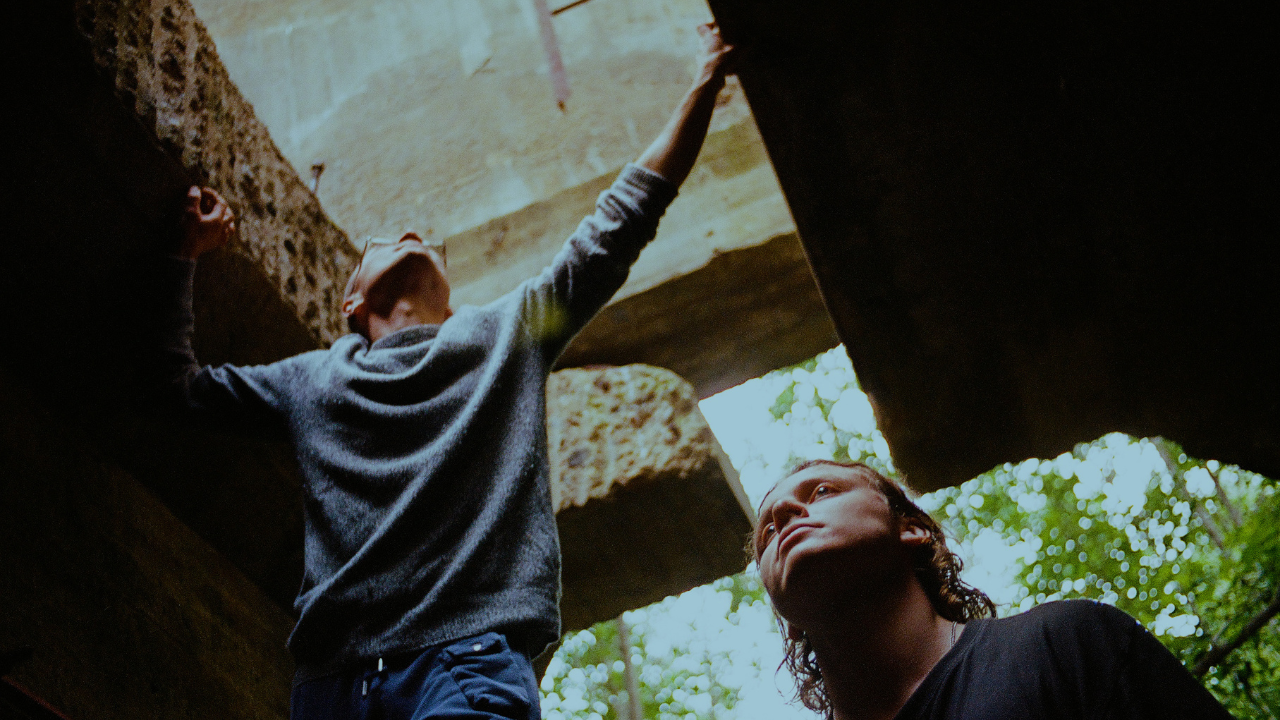
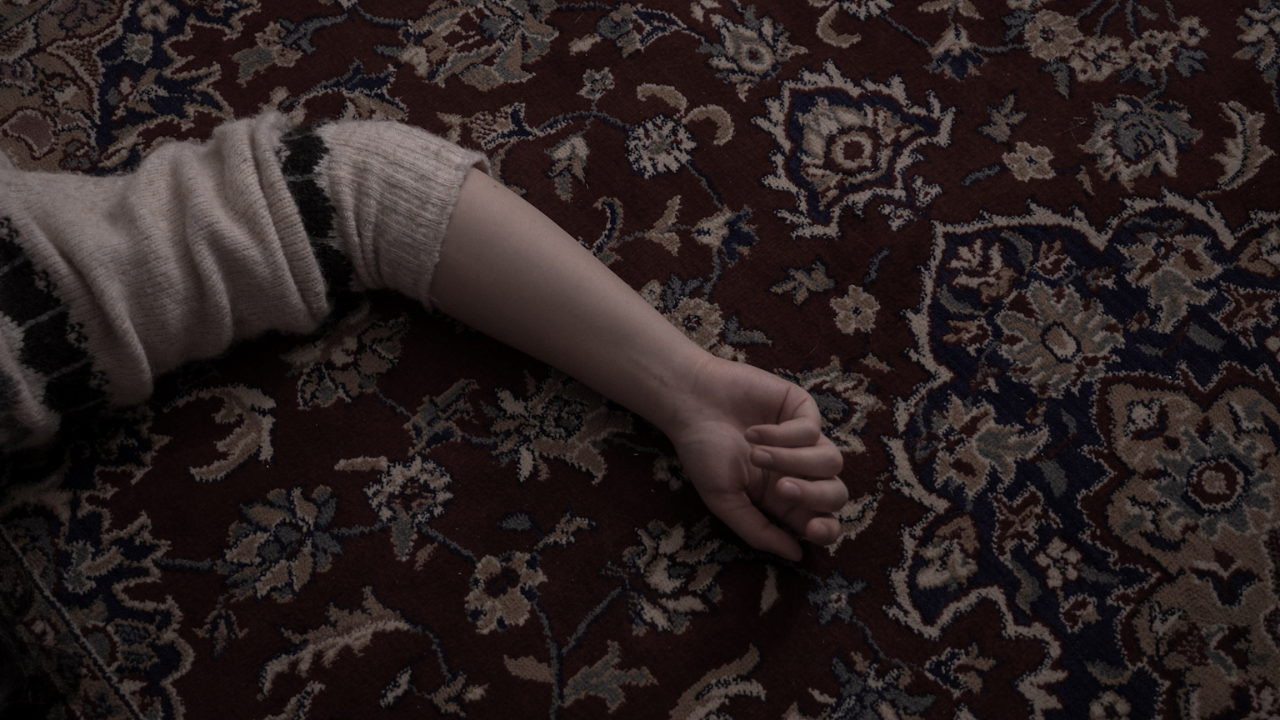
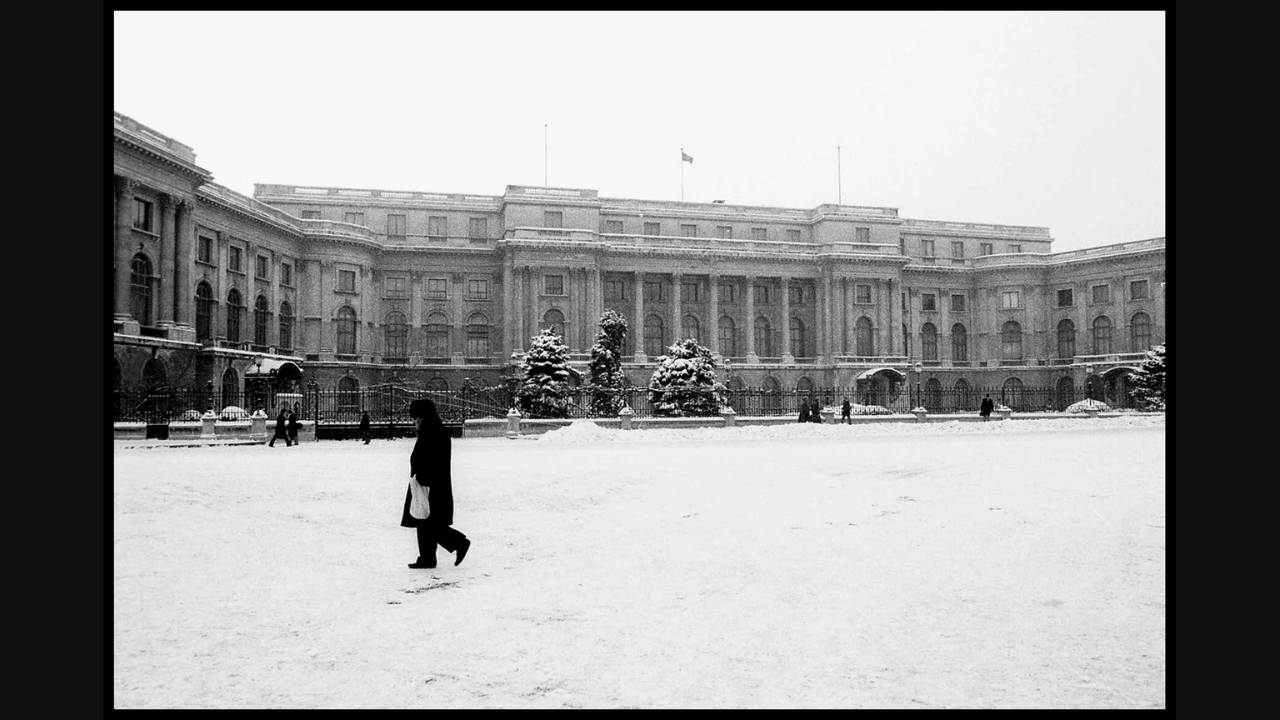
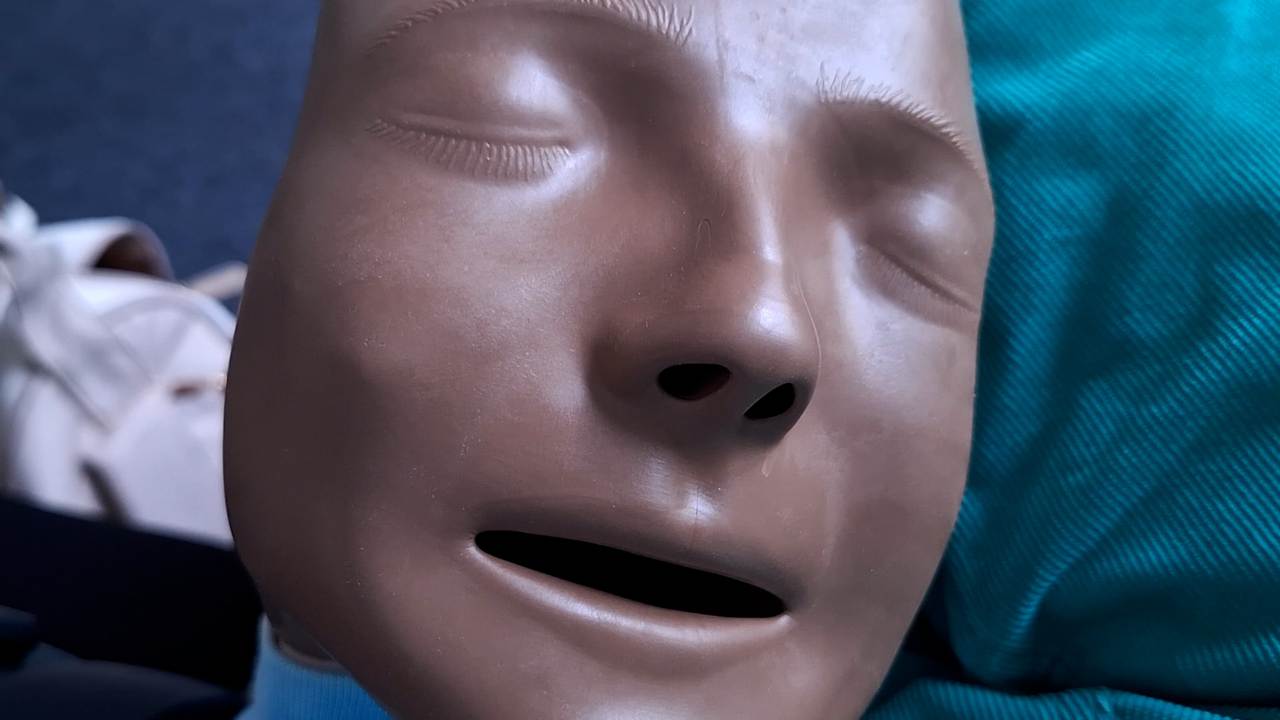
In This Suffocating Now, Vika Kirchenbauer examines – from a personal and admittedly privileged point of view – what is currently ‘in the air’ in Germany: a creeping fascisation, a violence simmering just below the surface, and the fractures running through liberal society. A comparable effort at unmasking, albeit of a historical nature, is undertaken by Radu Jude. The award-winning director returns to KFF with a short documentary: in Shot Reverse Shot, co-directed with Adrian Cioflâncă, he sets Edward Serotty’s photographs against the archives of the secret police services, presenting Communist Romania of the 1980s from two perspectives – that of an American journalist and the Romanian surveillance apparatus. Propaganda and the official record of history are similarly contested in Memories of a Window by Amin Pakparvar and Mehraneh Salimian, where Iranian citizens film protests from their cars and windows of their homes, constructing an alternative archive of resistance. In All The Light That Remains, Moona Pennanen fuses documentary and fiction to craft – through the story of Ukrainian labourers planting trees in a Finnish village – a haunting meditation on memory of place and of a war that reverberating like an echo.
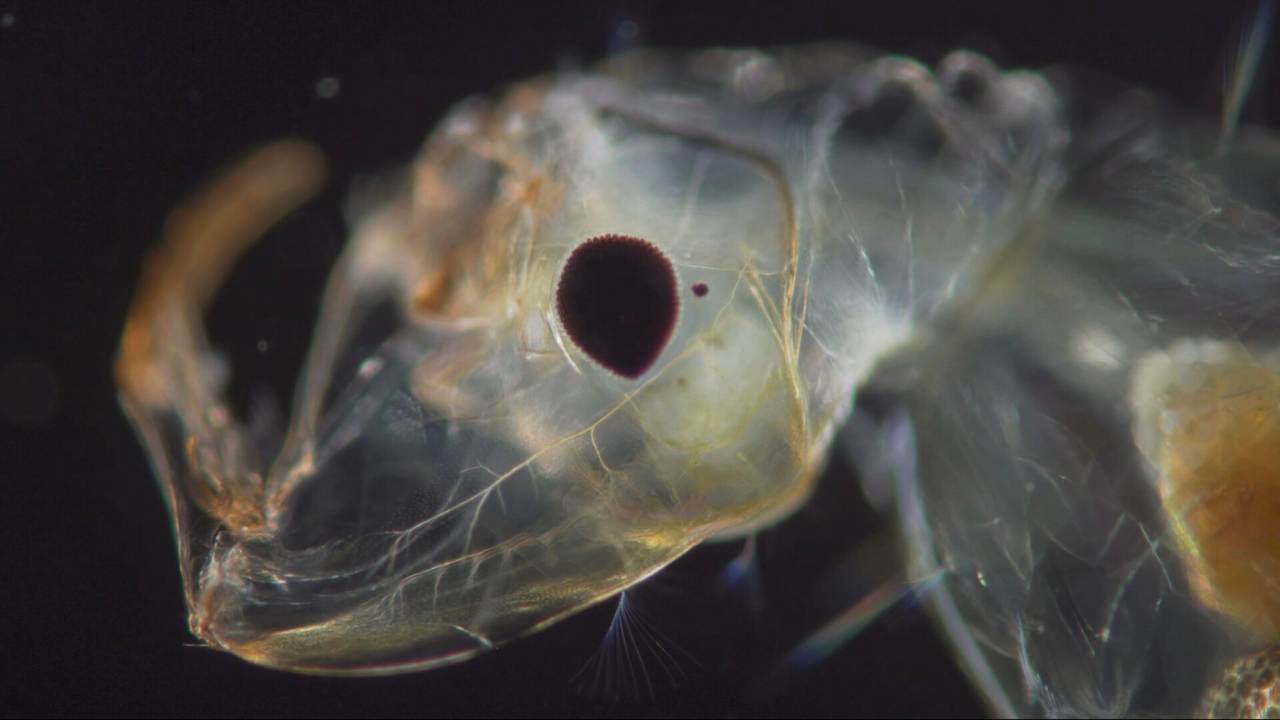
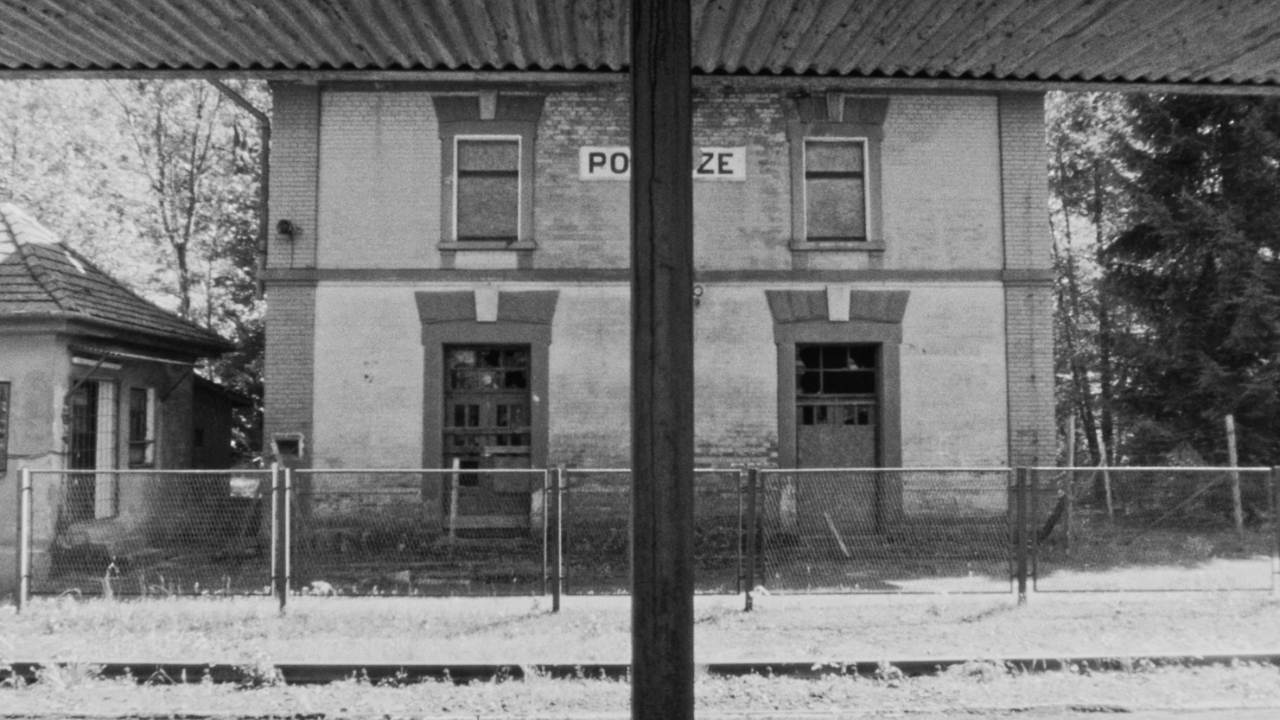
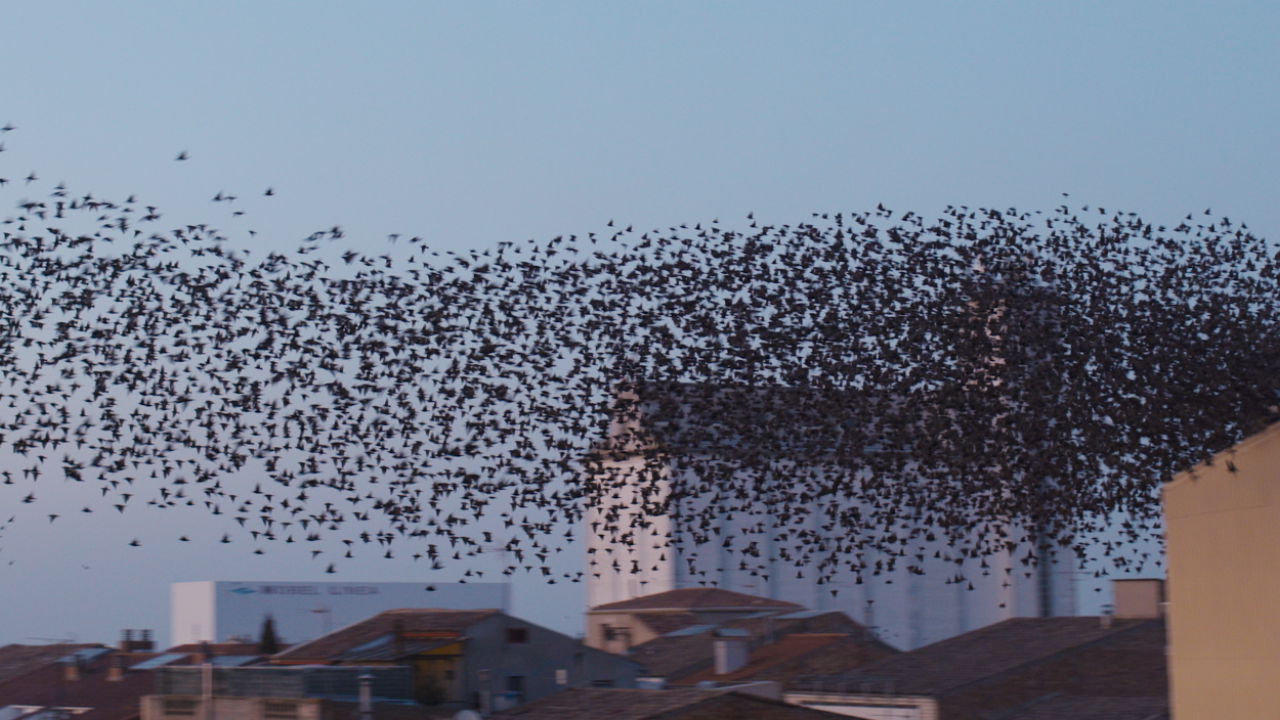
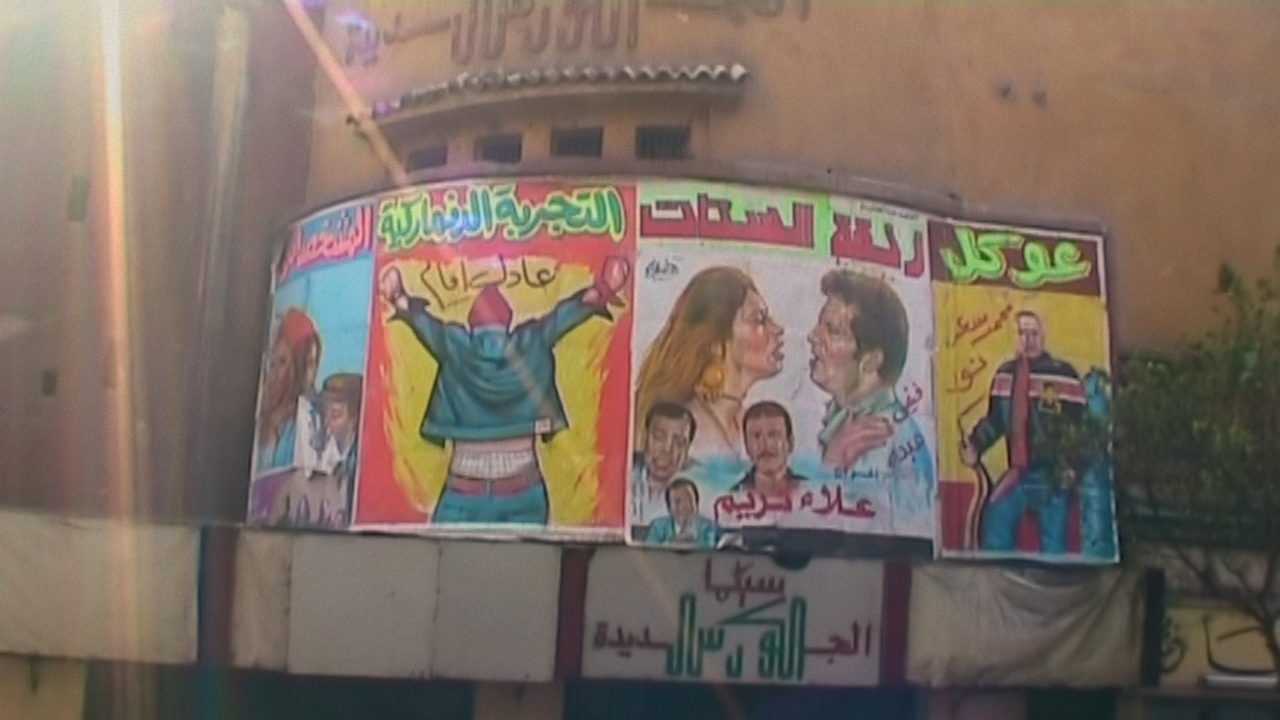
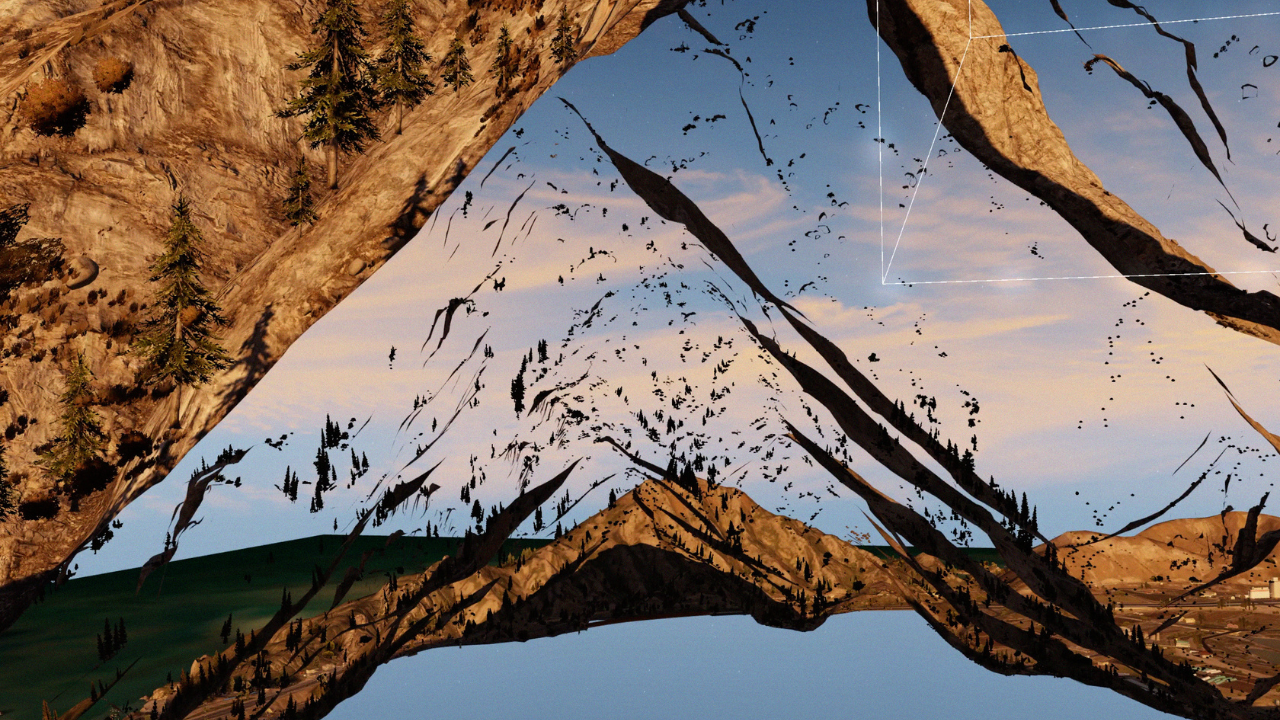
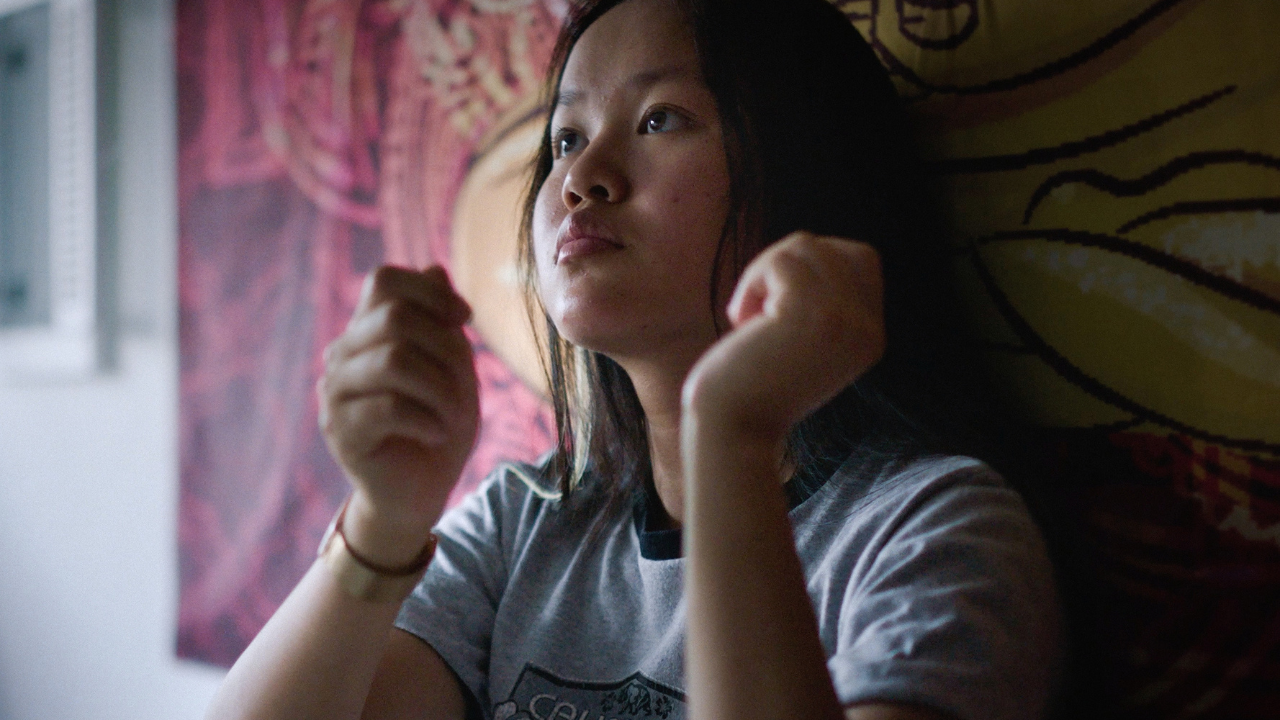
A different type of unease emerges in films preoccupied with the desire for immortality and a world after humankind. In The Revolution Against Death, Joshua Oppenheimer, the director of the devastating The Act of Killing, turns his attention to elderly Americans who attempt to soothe their fear of loneliness and oblivion with the aid of digital technologies. Where Oppenheimer’s subjects seek to exist as long as possible, Tomasz Wolski’s How to Conquer the World leads us through familiar yet hauntingly empty spaces, assembling the traces of everyday life into a post-apocalyptic vision of the world. Empty spaces and the experience of isolation are likewise the subject of Murmurations by Xavier Marrades, who filmed starling formations over his hometown in Spain during the pandemic lockdown whilst reflecting on his HIV diagnosis and his longing for human closeness. Elsewhere, digital and archival imagery become vehicles for meditations on love, grief, and generational anxieties. In Cairo Streets, Abdellah Taïa returns to footage from 2007, moving through the Egyptian capital in search of someone dear to him. At the other end of the globe, Oscar Asán’s no_mercy_in_Mexico follows two young men searching for a missing friend in a reality where cartel violence has become the fabric of daily life and brutal execution videos circulate freely online. Considerably lighter in tone, though scarcely free of anxiety, Elie Grappe and Anna-Marija Adomaityte’s I Think You Should Be Here transports us to Geneva, where seven girls deploy TikTok-like slogans and gestures to articulate the pain of growing up today.
The competition also includes films about the ‘invisible’ professions upon which so very much depends every day. Paweł Chorzępa’s The Tuners reveals the less visible contest playing out at the Chopin Competition, where representatives of the world’s leading piano manufacturers work around the clock on the timbre of every note – a craft that itself becomes art. Meanwhile, Woodeaters by Julia Pełka chronicles a relentless struggle to save a Lemko Orthodox church, where a hired entomologist reaches for Zyklon B – a compound associated with mass extermination – to protect the historic wooden structure from pests.
Short Fiction Films
The short fiction selection in the International Competition, much like their documentary counterparts, guide us through intimate experiences enriched by broader social reflection. In Faux Bijoux, directed by Jessy Moussallem, the body of Mireille, who is carrying a child for a wealthy couple whilst concealing the arrangement from her family, becomes an instrument of labour, and a dream of a better life lays bare the economic inequalities. Similarly robbed of any real choice – although in this case because of an abortion ban – is Siti, the protagonist of Jen Nee Lim’s Fruit, who makes desperate attempts to end her pregnancy until an encounter with an eccentric woman finally offers her a chance to fight for her own life.
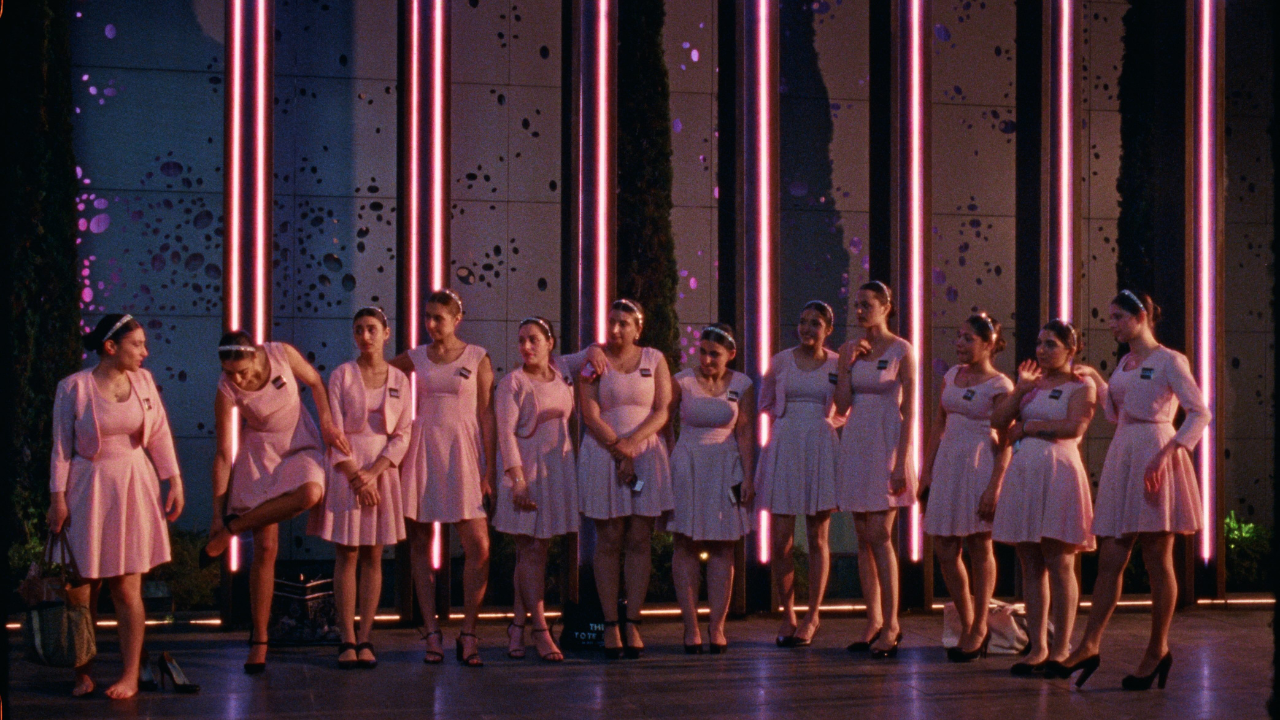
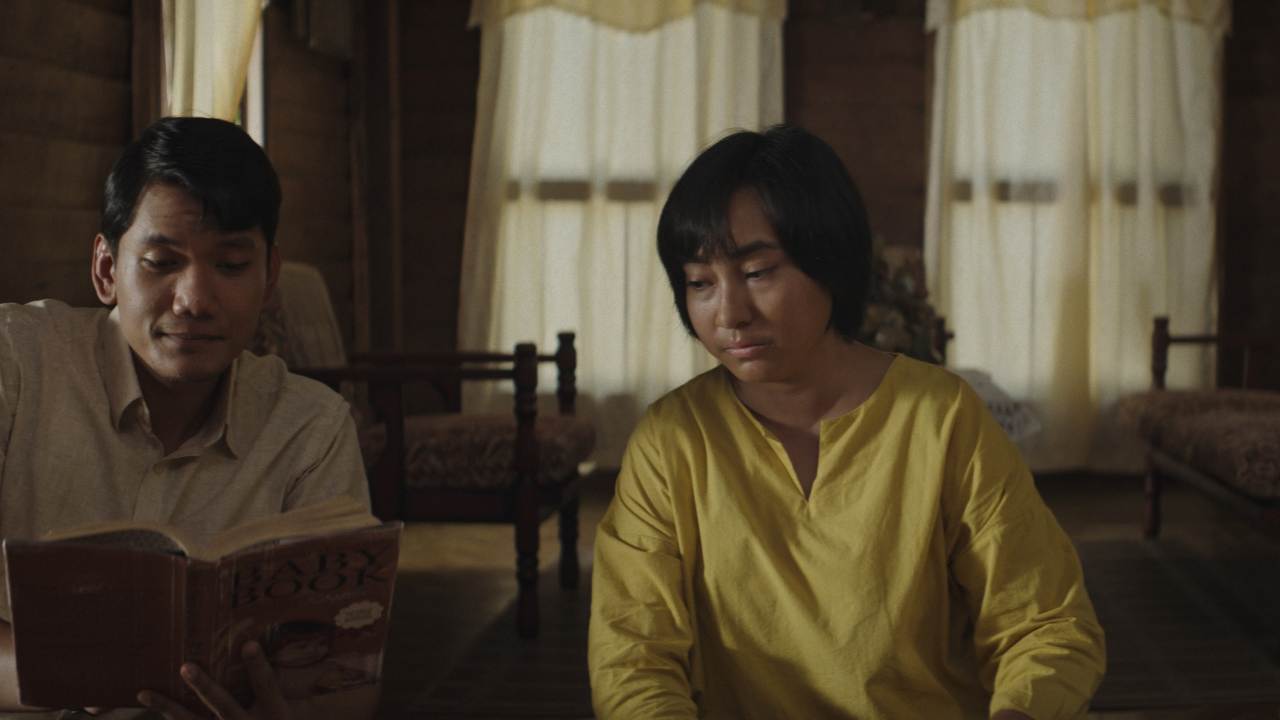
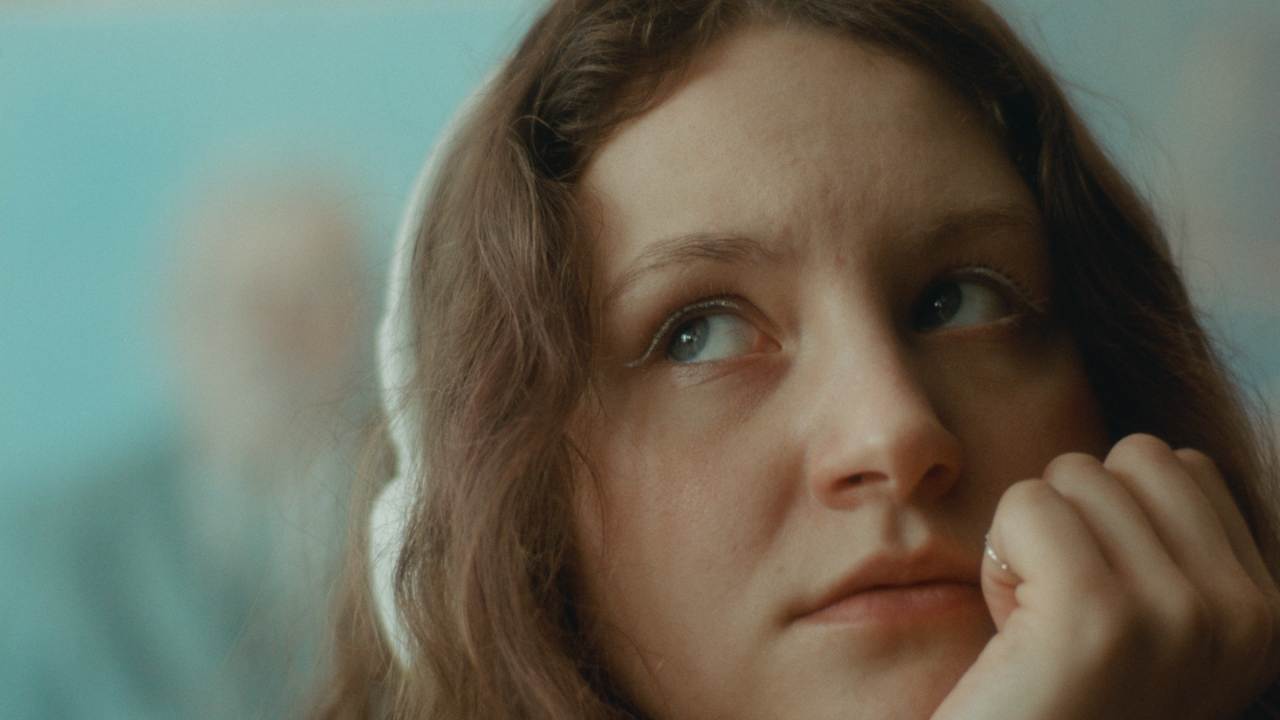
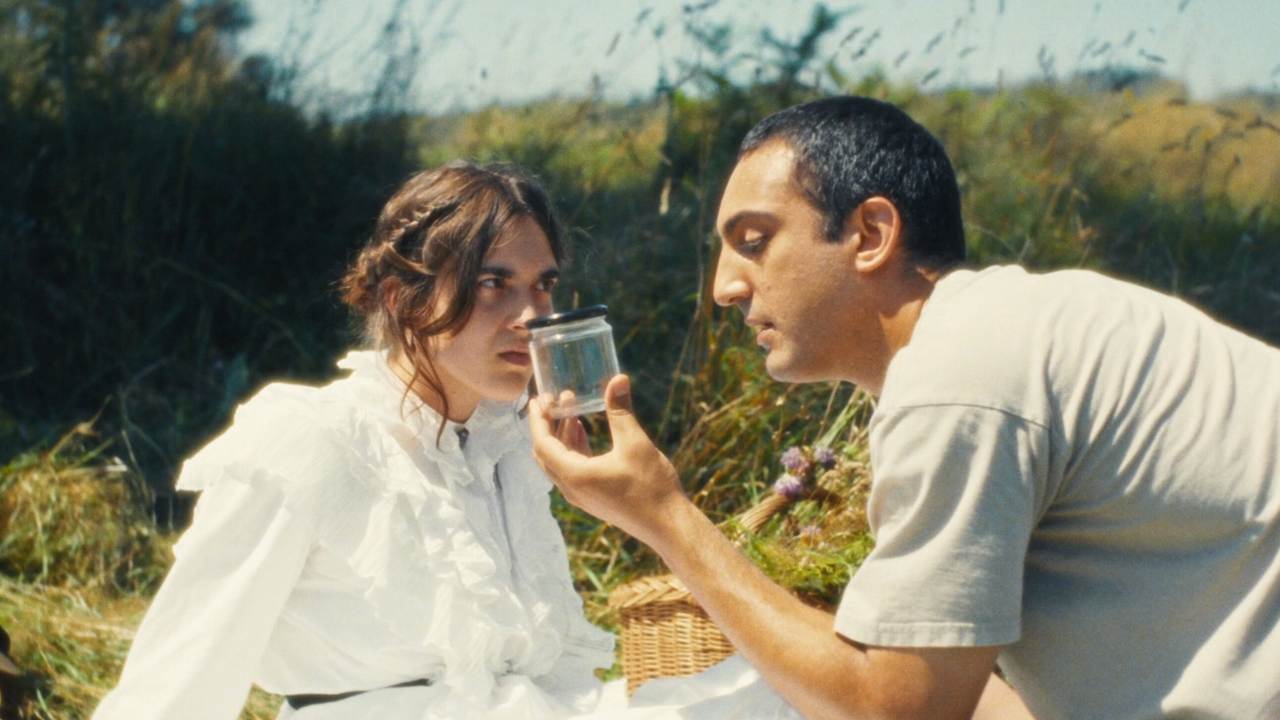
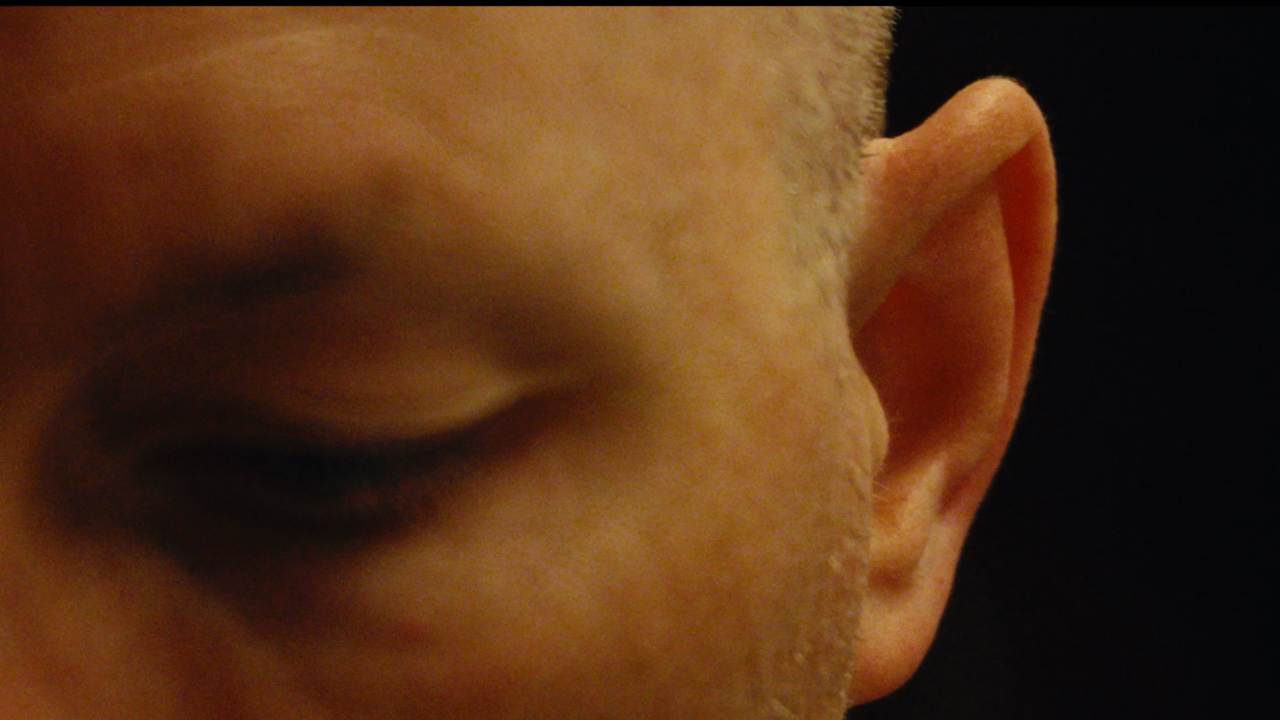
Emilia Ondriasova’s controversial This Room Is Impossible To Eat likewise centres on the body, though shifting towards grooming and the relationship between 14-year-old Tereza and a much older man. By contrast, Adrien Fonda’s Odonata approaches corporeality with far greater subtlety with the solitude of its protagonist disturbed by two women. What gives this Rohmeresque tale of intimacy and desire an unsettling twist is the use of extremely close-up photos of insects.
Questions of responsibility, trust, and the pursuit of truth is central to Yann Rehberg’s Eyes Won’t See, in which the protagonist conducts a painful investigation into the suicide of a teenager, with suspicion falling upon her close colleague. A different kind of responsibility is at the heart of Júlia Coldwell Serra’s Nobody Barks. Unable to bring herself to admit that she has hit a dog with her car, the protagonist invents a tall tale for her nephew – though who is to say that great faith does not work wonders?
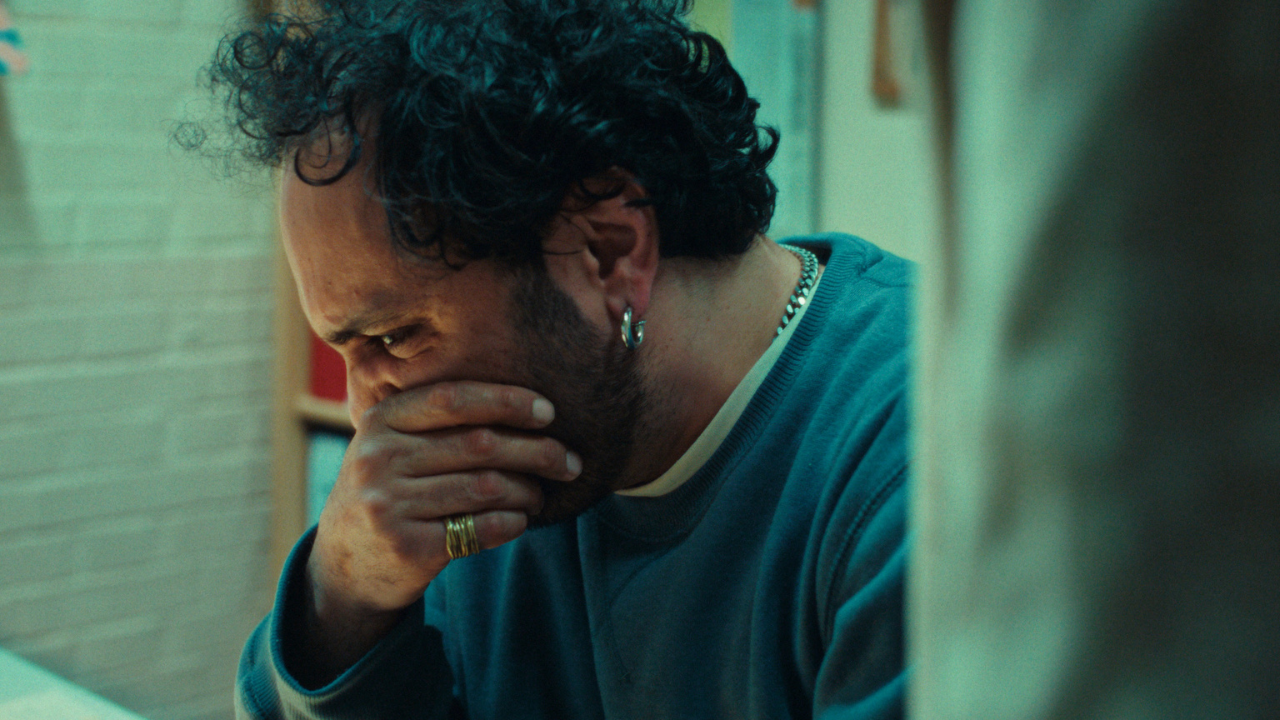
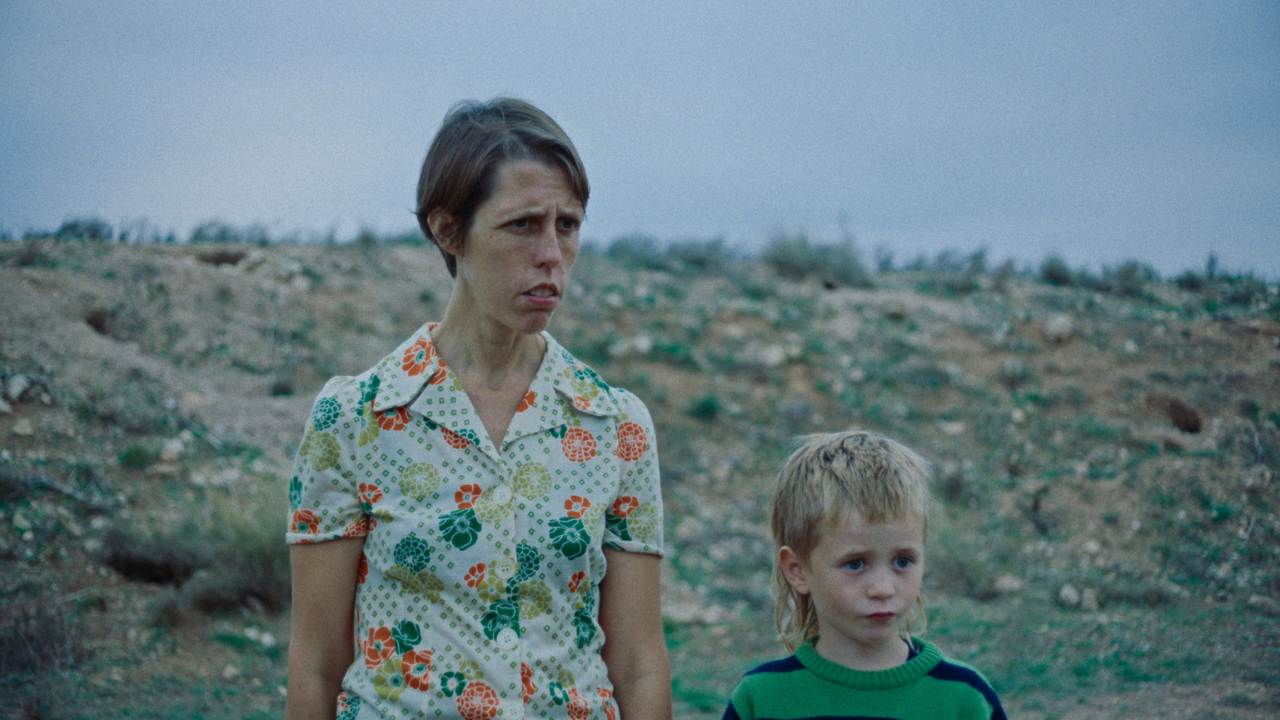
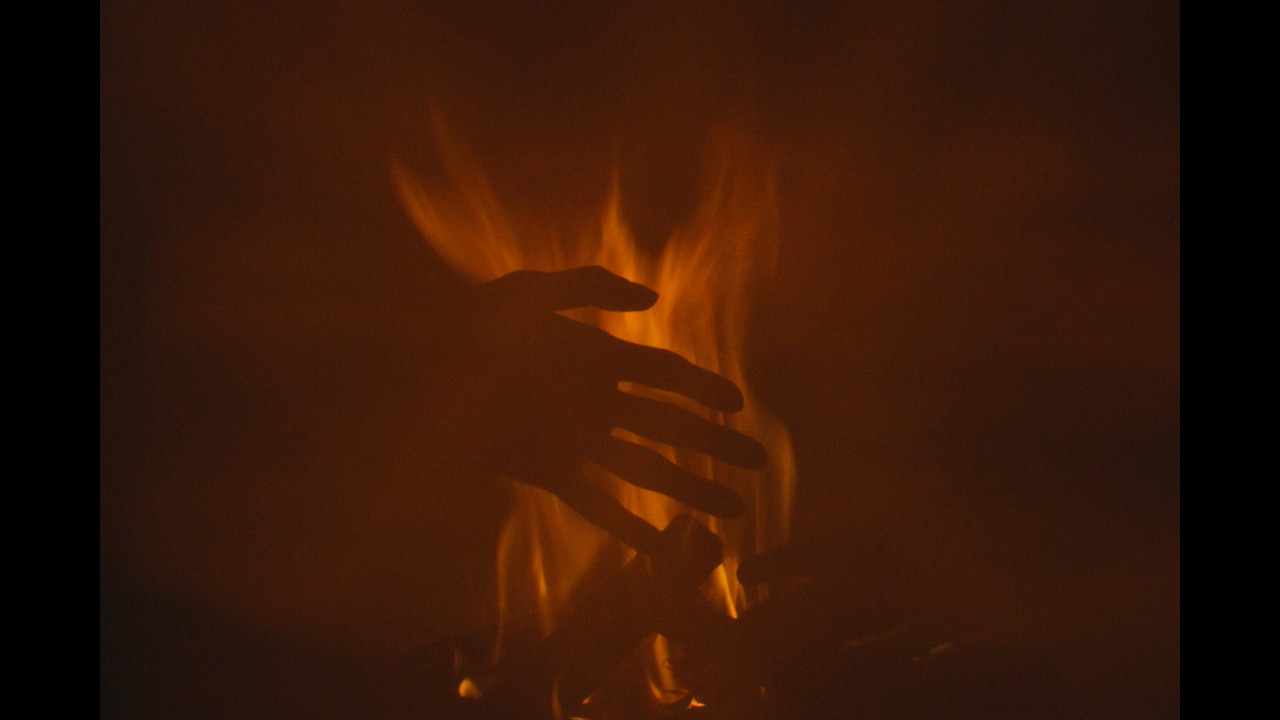
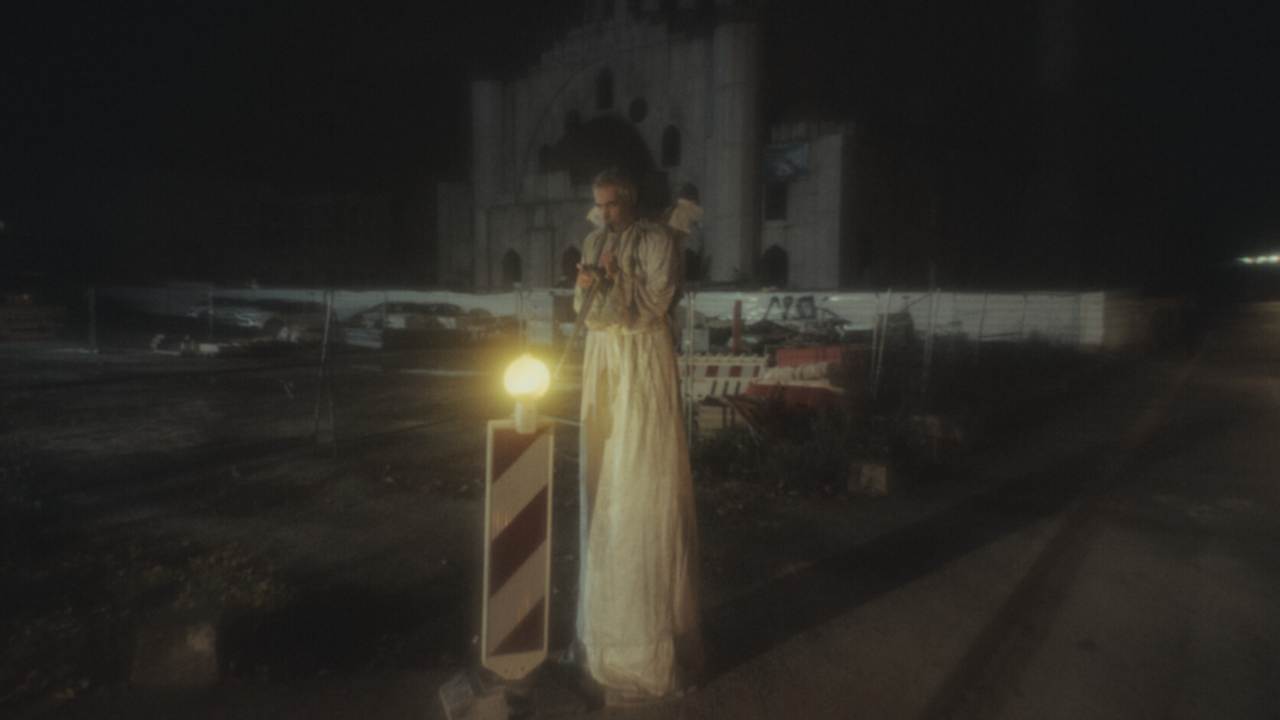
The darker dimension of collective imagination pervades Igor Smola’s It Lives Under the Snow, in which a disappearance in an Azerbaijani village and the weight of a local legend dissolve the boundary between rational investigation and mounting dread. Clyde Gates’s CUL-DE-SAC! similarly mobilises the fantastical to tell a story about labour and exploitation: invisible angels ceaselessly power machines, illuminate cities, and heat homes until rebellion exposes the fragility of the entire system. That invisibility also has a social and class dimension. In Carmen Baltzar’s All the Love in My Body, tourists treat two young Romani sisters selling toys on a Greek beach as little more than part of the summer holiday landscape – until a sudden tragedy brutally exposes the double standards of human empathy.

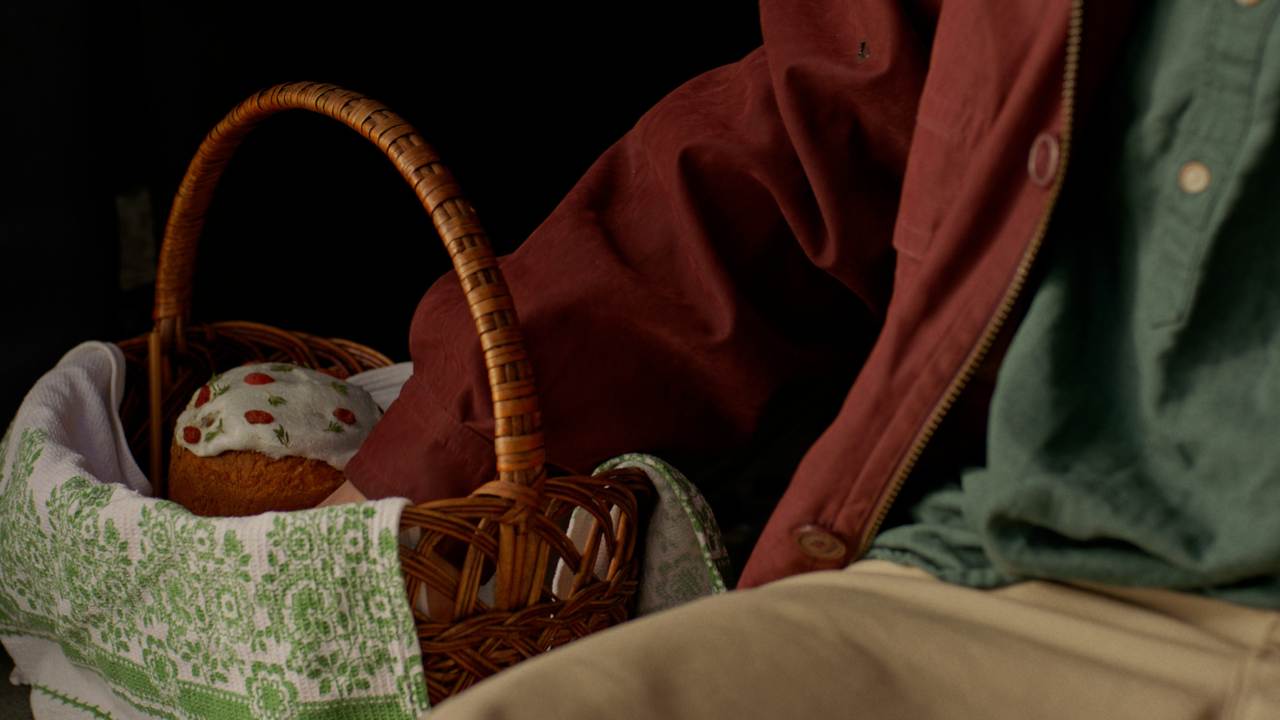
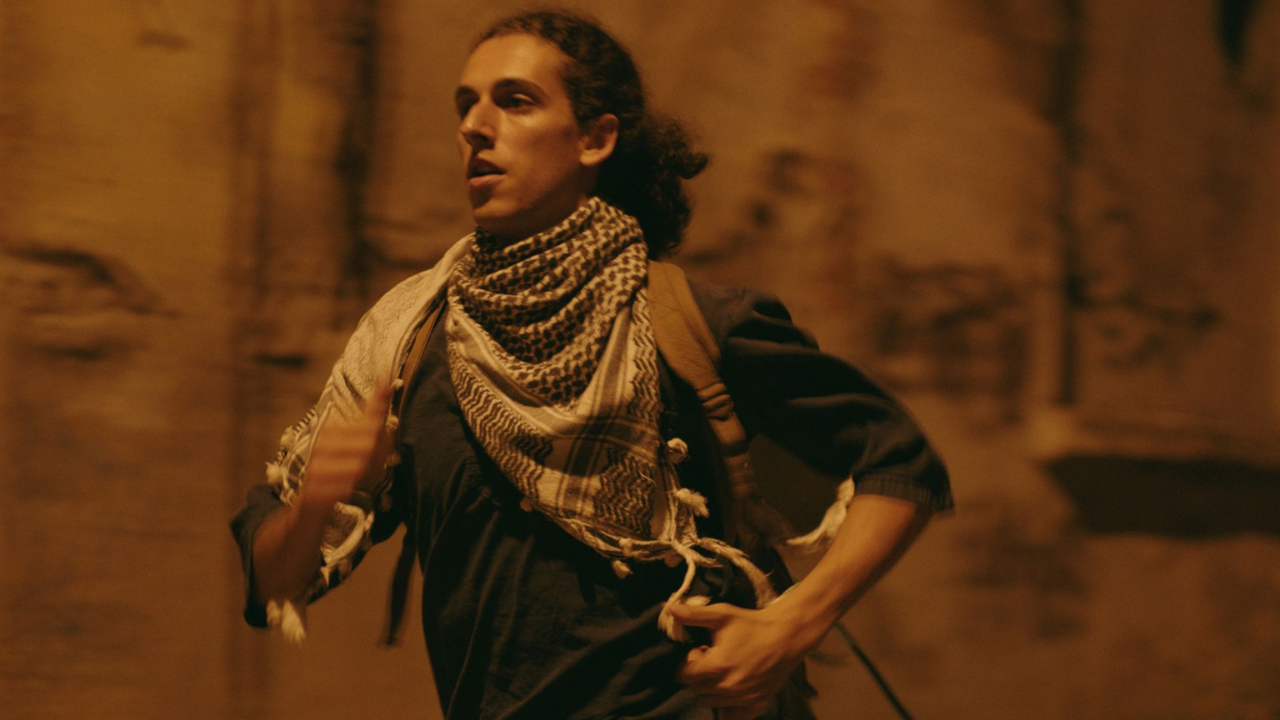
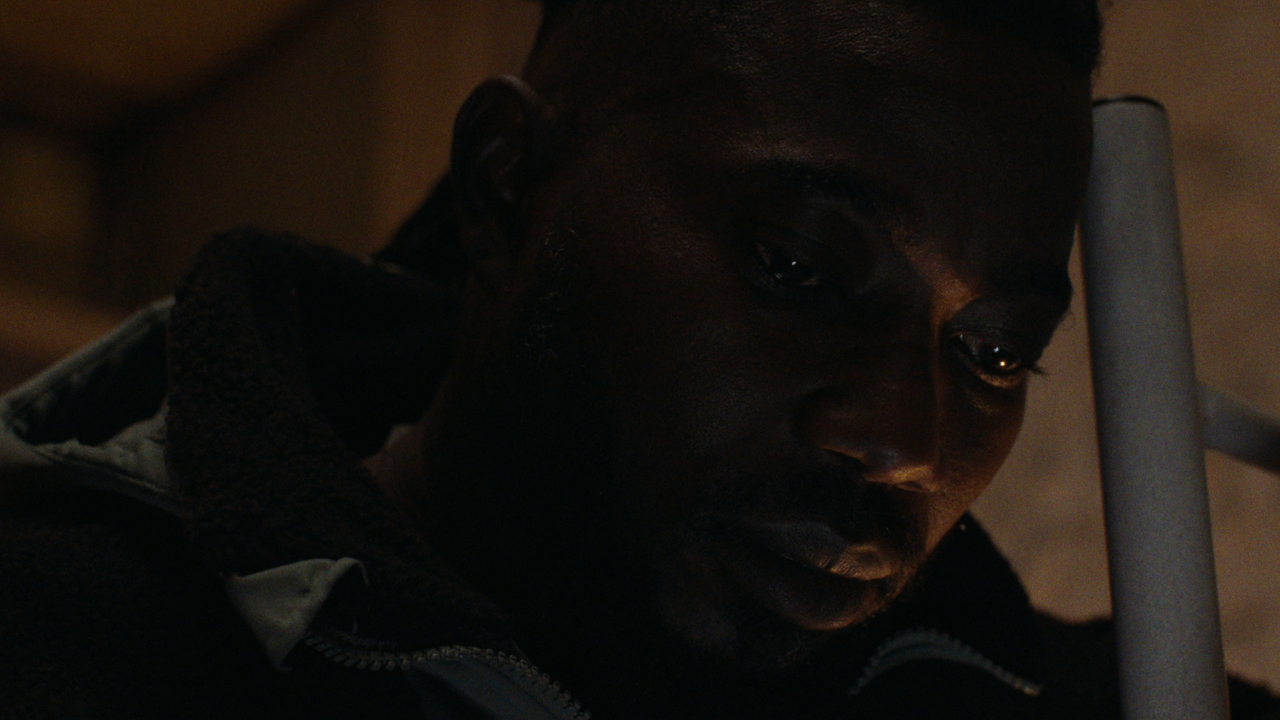
The competition is not without stories of war, migration, and the moments when pure chance determines the entire course of a life. In Mykola Zasieiev’s Easter Day, war shatters the normality of a holiday when a young man who steps out to fetch food for his cat falls into the hands of military conscription officers – though humour and simple human gestures provide moments of respite.
The morally ambiguous A Short Film about War by Nadim Suleiman takes a young Palestinian refugee onto the set of a film about World War II, forcing the protagonist to confront his own memory and trauma as the boundaries between fiction and reality start to blur. Social status, migration, and the economics of survival are the concerns of João Niza Ribeiro’s Asphalt Reds. Inspired by real events, it follows a young courier who becomes entangled with the brutality of migration policy and the logic of platform capitalism.
Short Animated Films
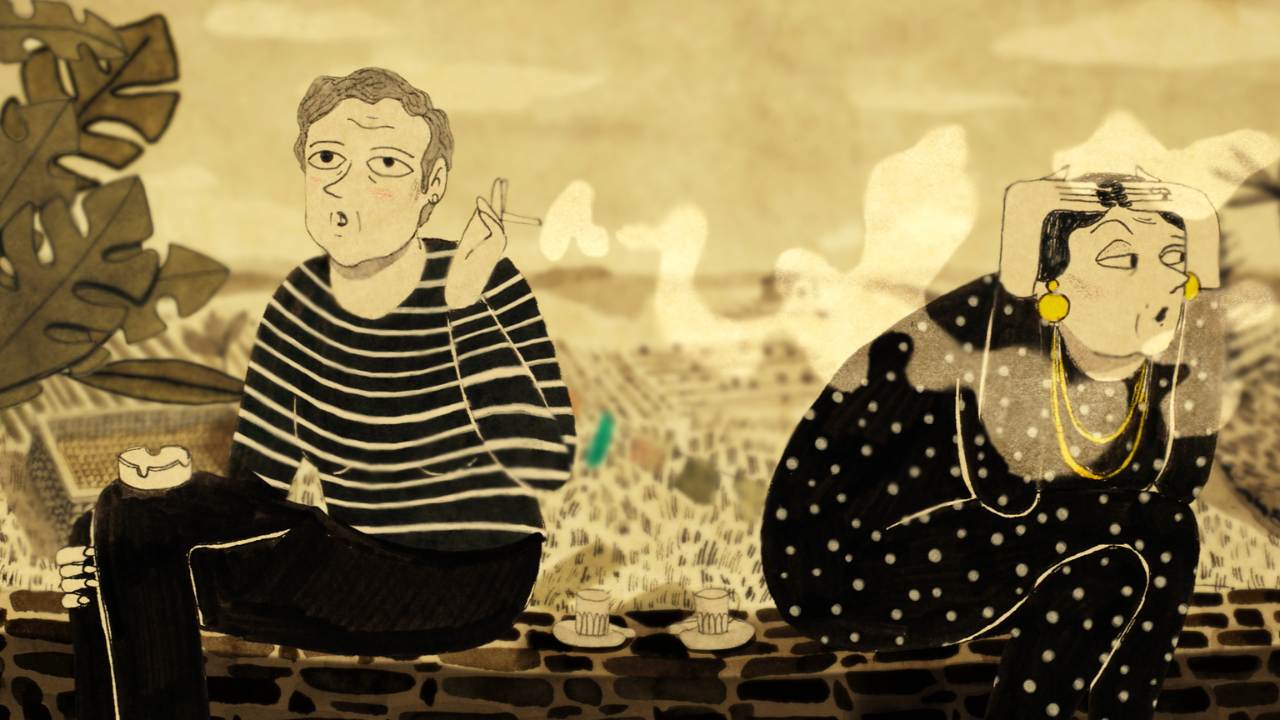
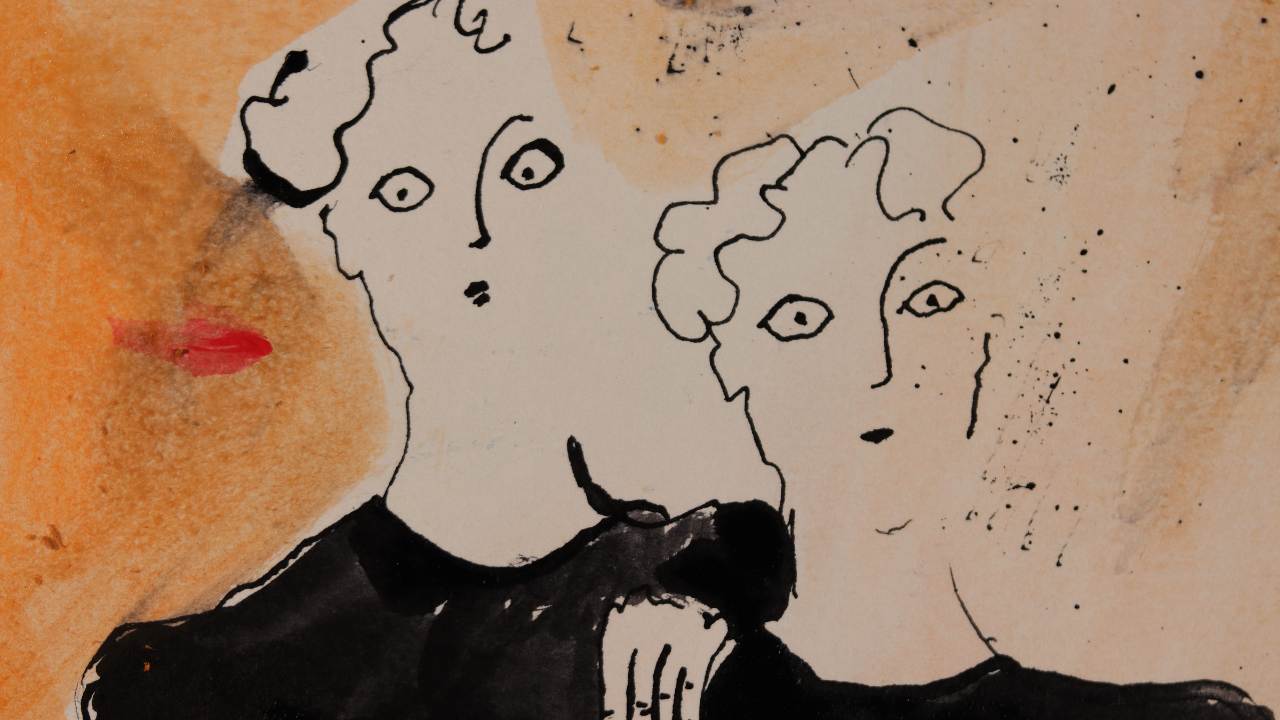
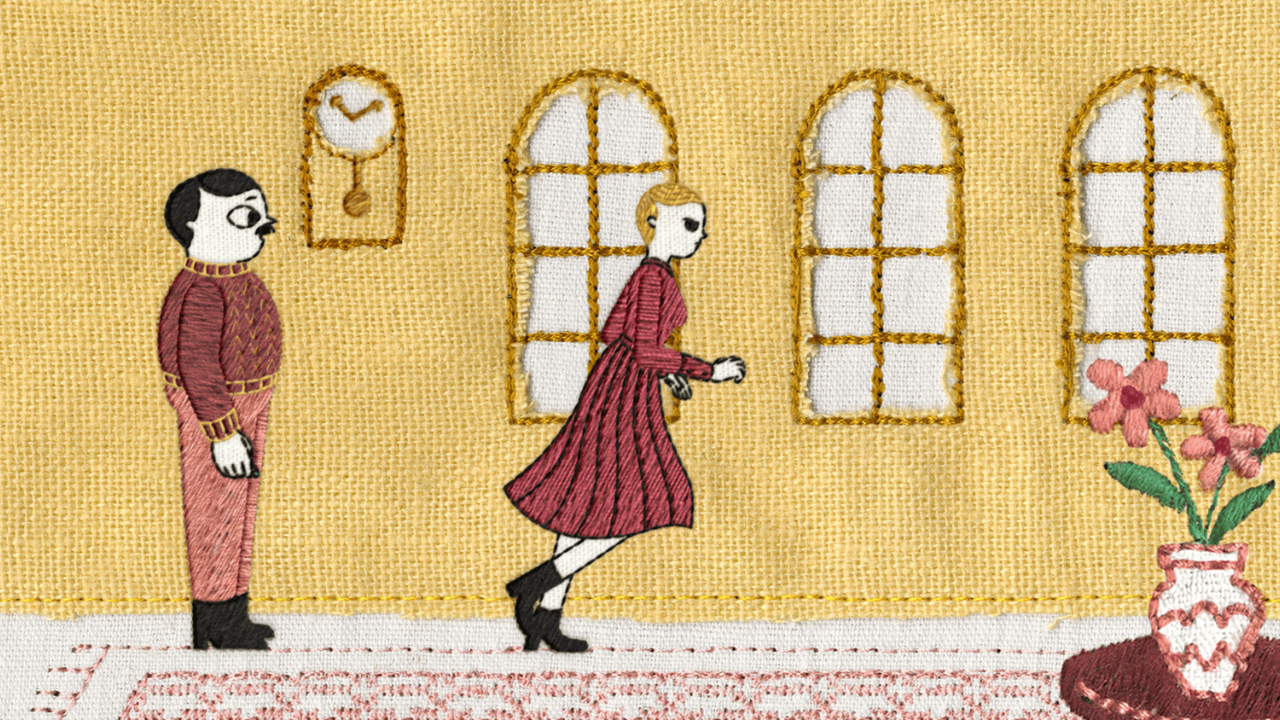
The animated short films in the International Competition traverse worlds in which the imagination knows no bounds. Three Cups of Coffee by Natalia Krawczuk is perhaps the most grounded, though rendered with considerable subtlety and restraint. The protagonist’s encounter with a man who was once close to her, measured out through successive sips of coffee, becomes an attempt to close the door on the past. A return to places that can no longer be recovered in their original state also drives the protagonist of Marta Reis Andrade’s Dog Alone, in which homecoming from abroad intertwines with grief. Family bonds – though in a different register altogether – resurface in Elizabeth Hobbs’s Daughters of the Late Colonel, a sparkling adaptation of Katherine Mansfield’s short story about grown sisters who remain imprisoned within their overbearing father’s military ceremonial even after his death.
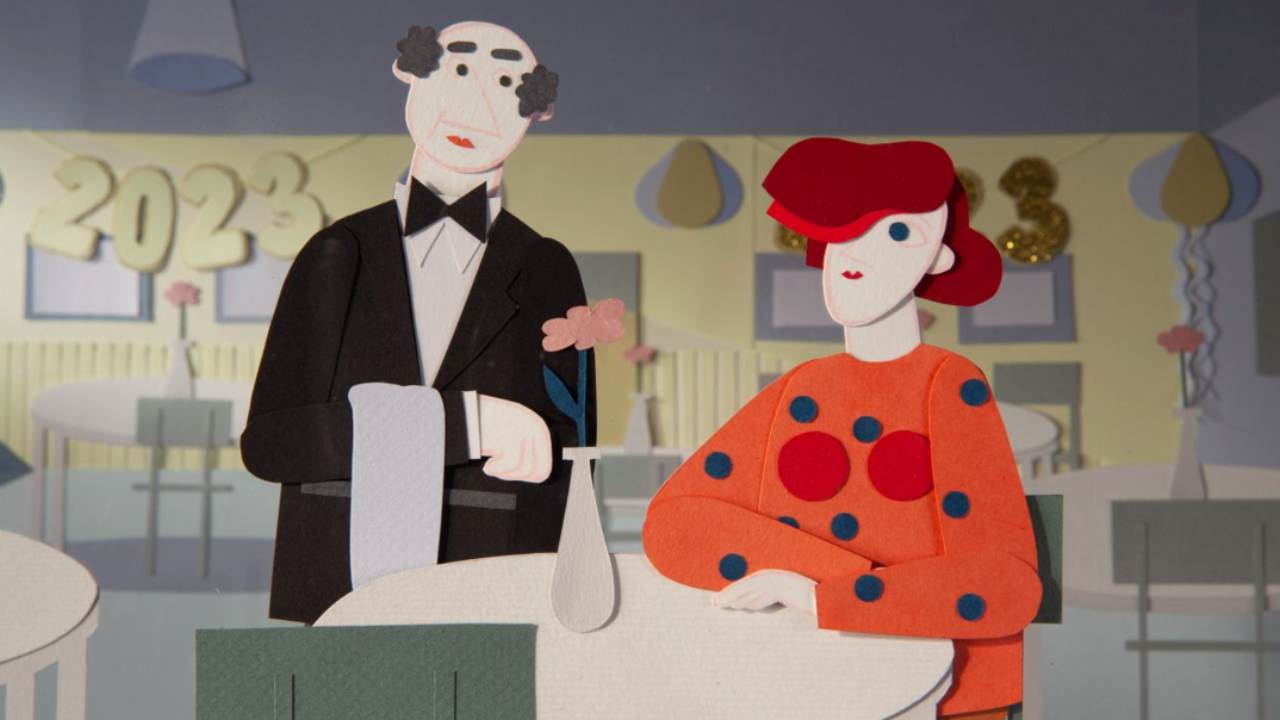
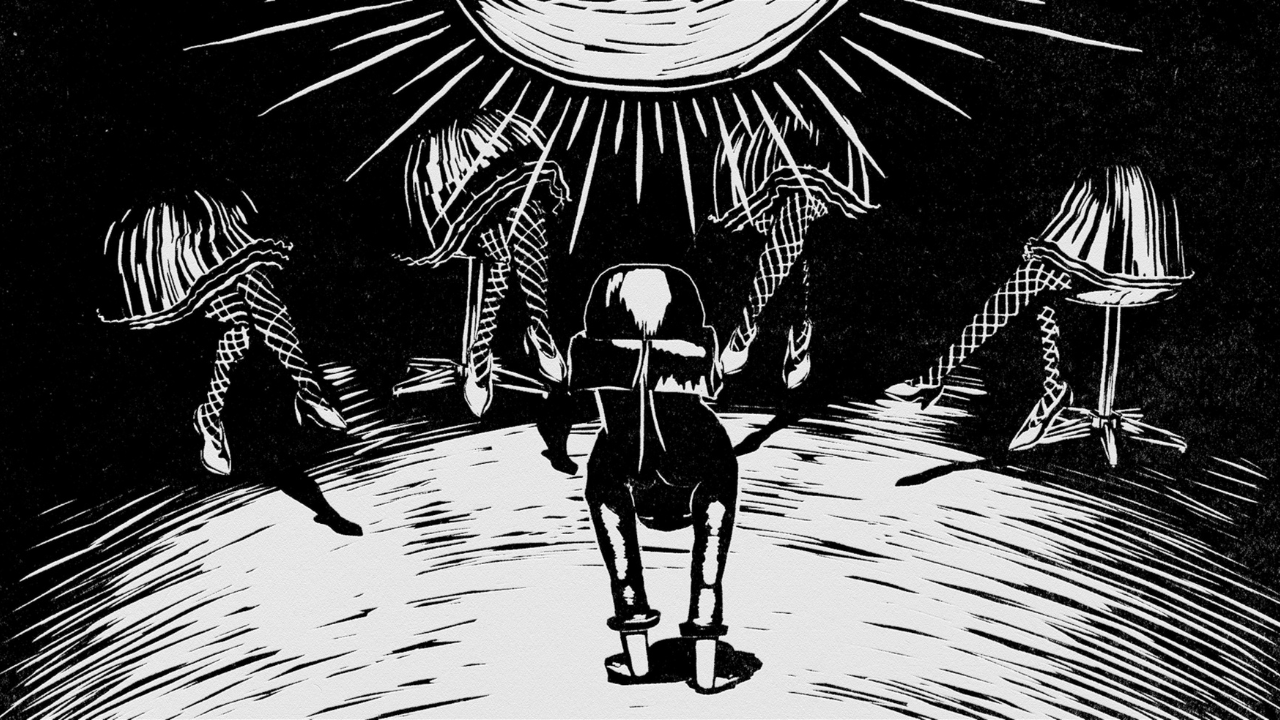
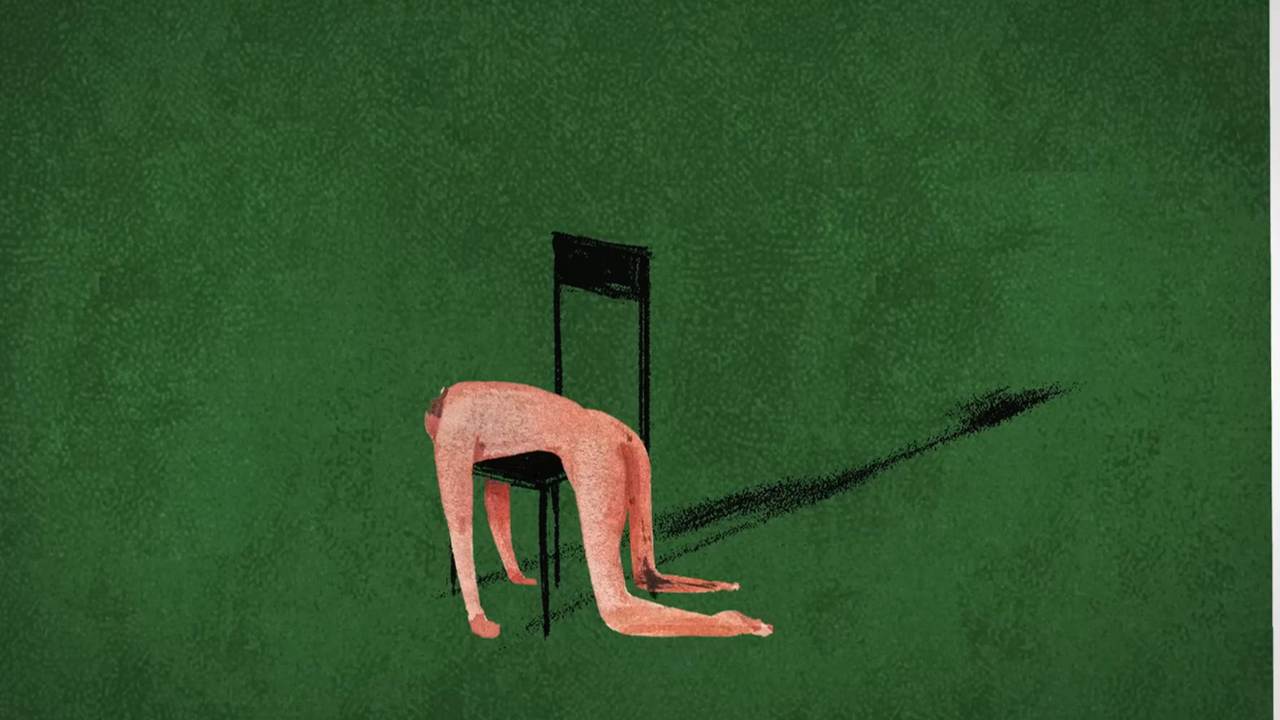
The titular heroine of Carla and Her Legs is similarly struggling to break free from an order imposed by others. Christoph Büttner presents the story of an acrobat without legs whom the world of variety sees as a curiosity rather than an artist – until the chance to fight for her name on stage presents itself. Another form of oppression is the subject of Paulina Ziółkowska’s Procrastination Yoga, a sharp and ironic study of the cult of productivity in which even breath, movement, and apparent rest are subordinated to capitalist logic. This anxiety about systems of control extends into Šimon Mészáros’s Quantum Jump, where a luxurious residence populated by identical figures disintegrates during a surreal journey through abstract 3D animation.
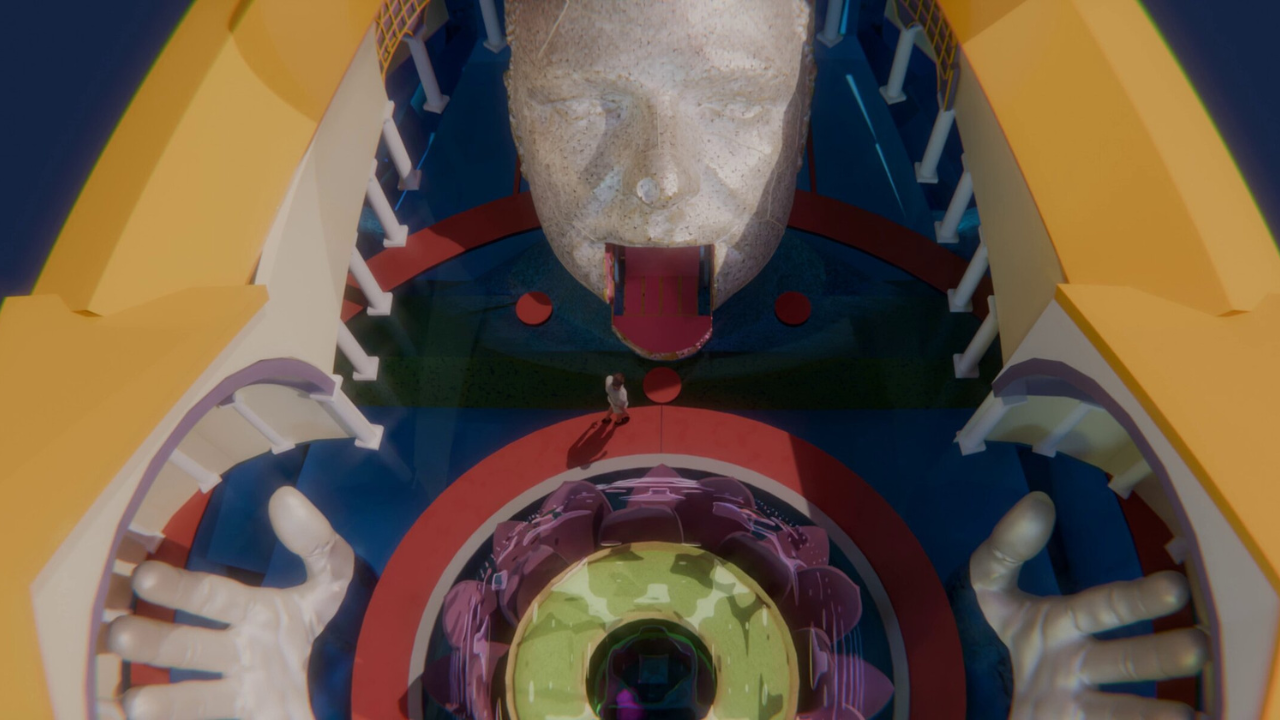
Yet if animators so readily cross all borders, intergalactic ones present little obstacle. In Leo Černic’s Cosmonauts, a singles-only space voyage becomes an absurd and humorous odyssey through competing visions of love. From a journey into the cosmos, it is but a short step to the myth of creation, which Karolina Chabier’s Kosmogonia transforms into an oneiric story presenting creation as the greatest of powers – and yet one that escapes all control. Where imagination touches on what is most deeply concealed, Bea Lema’s Corpus Christi emerges – an embroidered fable about illness and trauma that cannot be healed by cold reason alone.
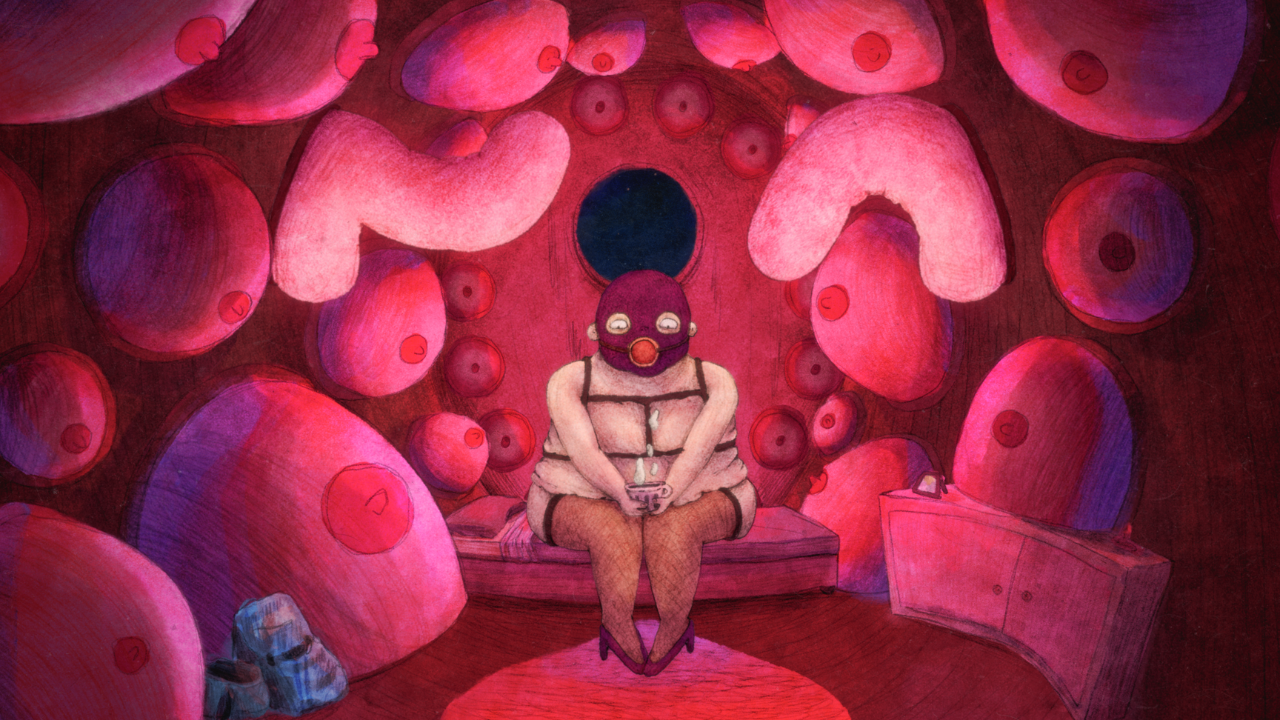
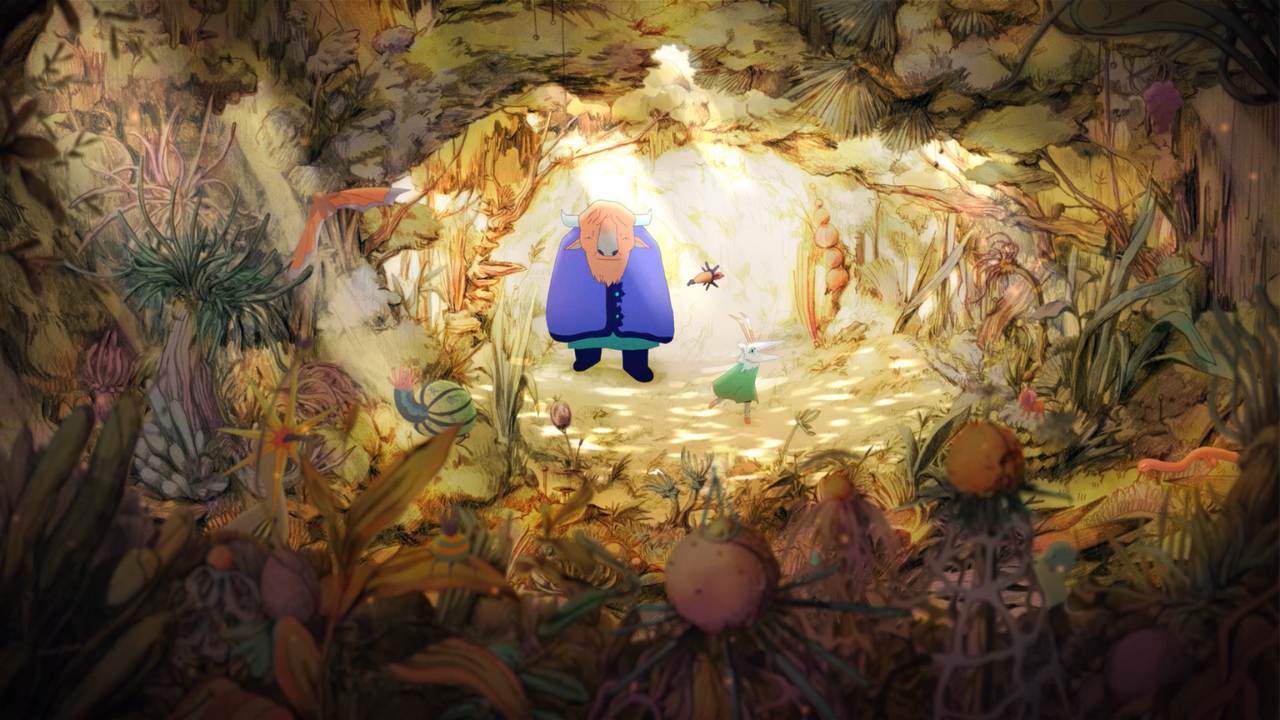
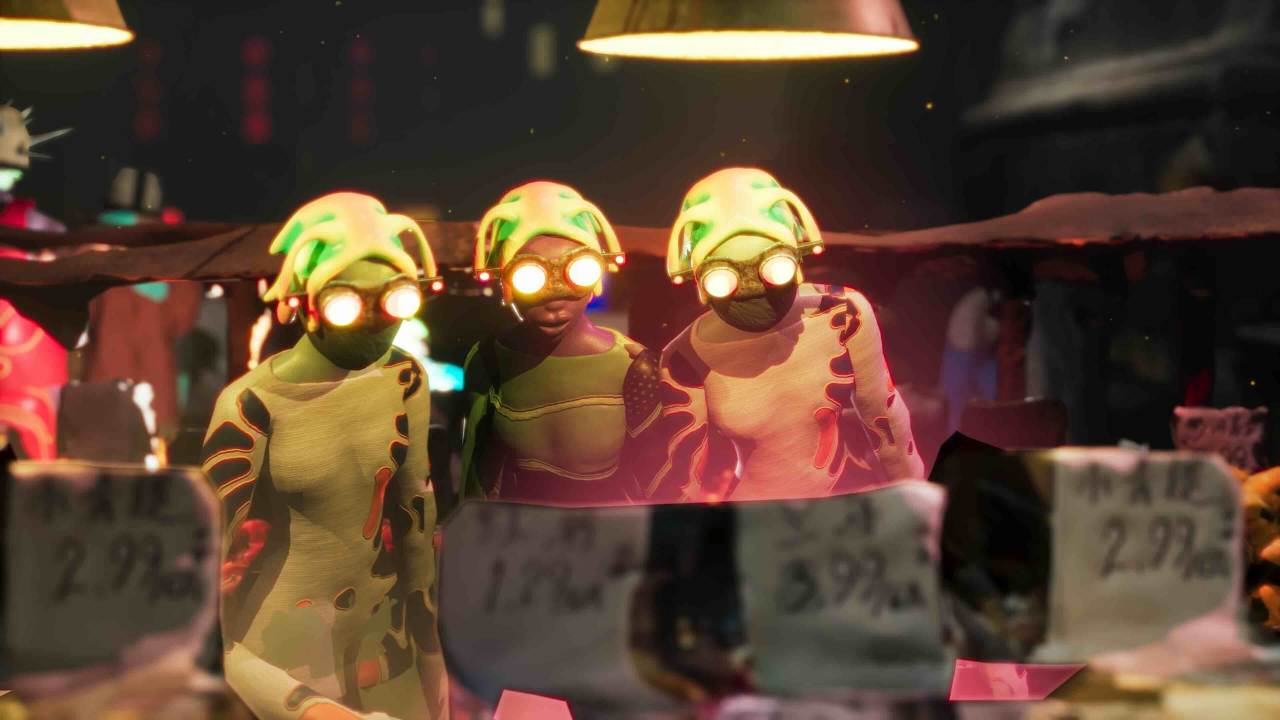
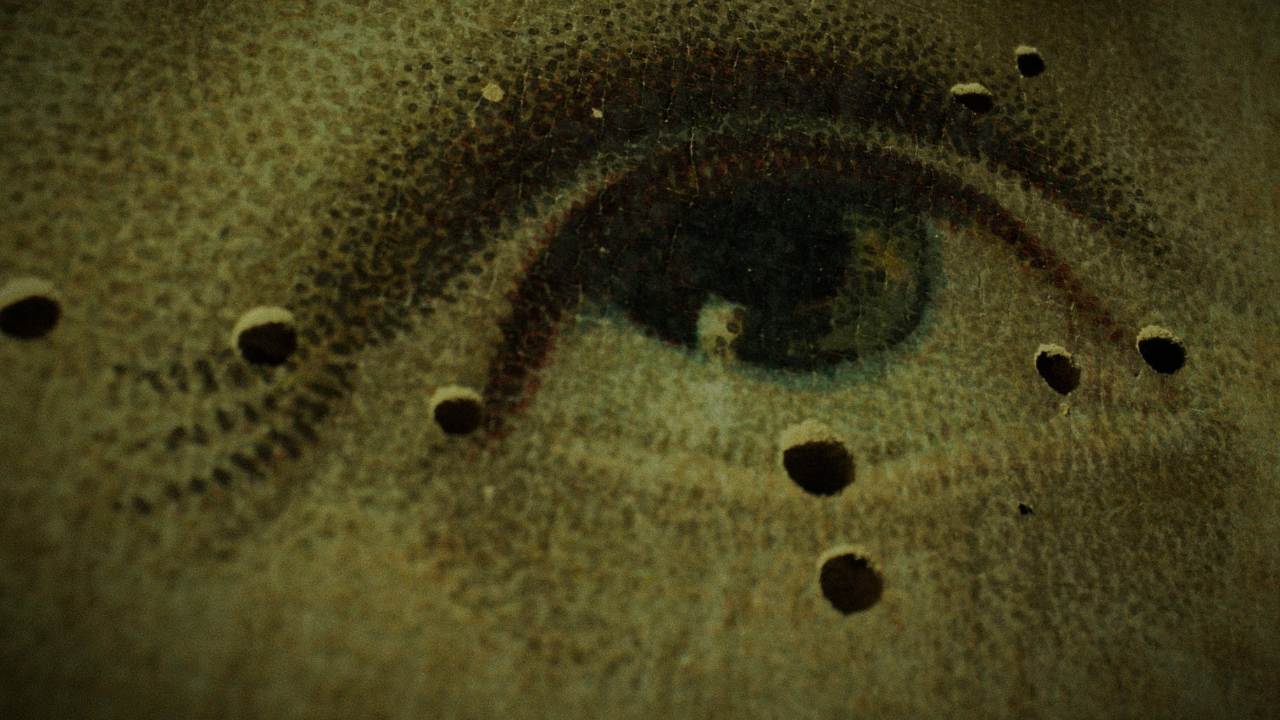
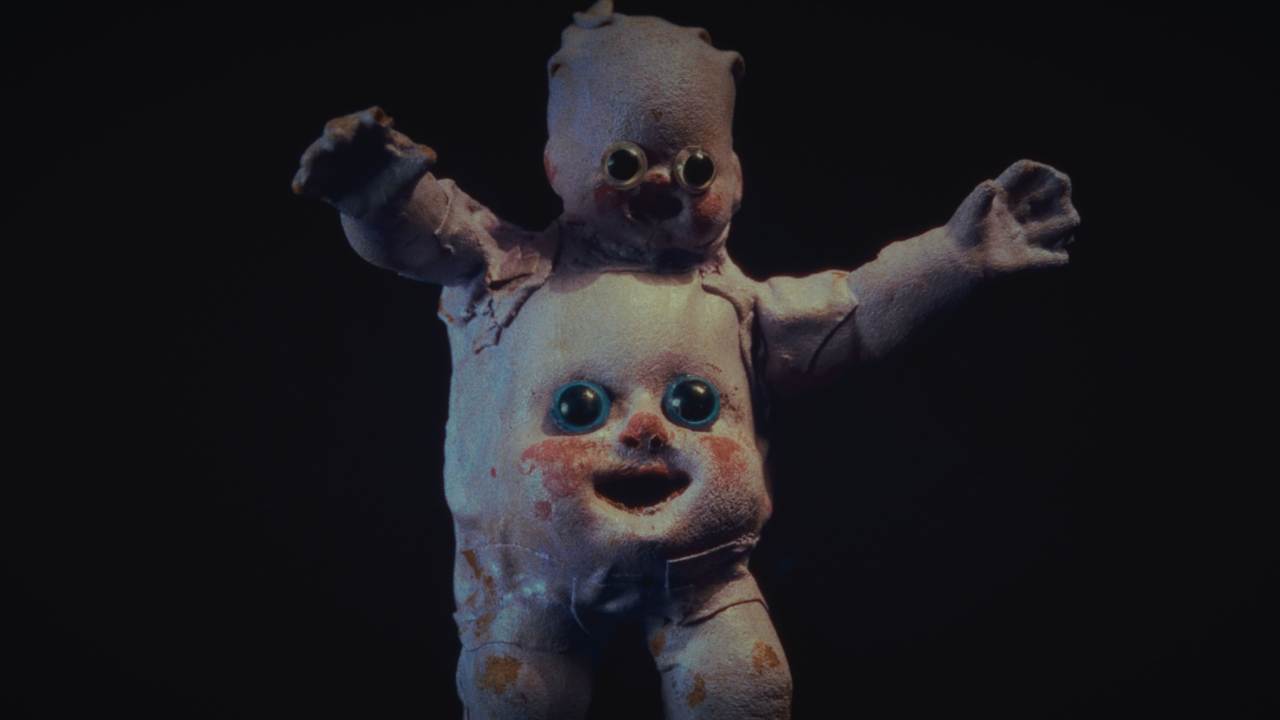
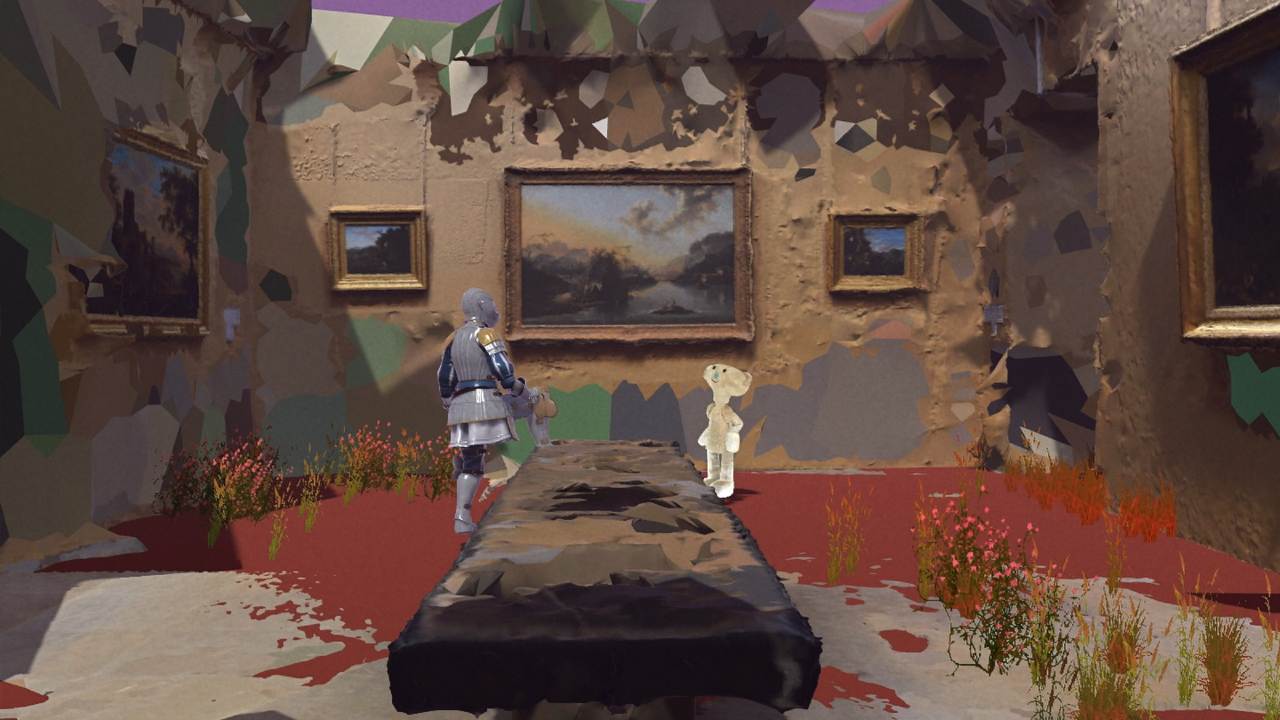
From personal unease, the animations turn towards visions of the future. Jack Wedge and Will Freudenheim’s Acid City leads us into a metropolis adrift upon a polluted ocean, where acid, heat, and deformed bodies compose a cyberpunk reality. The future also has its digital dimension in Normal Planet by Ekiem Barbier, a psychedelic virtual museum where the boundary between viewer and exhibit dissolves entirely. However, it is Niles Atallah’s Merrimundi that ventures the furthest into creative chaos – a haunting repository of damaged toys, psychedelic cherubs, and digital noise in which discarded matter is animated by unbridled imagination.
Short documentaries
- All The Light That Remains, dir. Moona Pennanen, 25’, Finland, 2025
- Cairo Streets, dir. Abdellah Taïa, 19’, France, 2026
- How to Conquer the World, dir. Tomasz Wolski, 15’, Poland, 2026
- I think you should be here, dir. Elie Grappe, Anna-Marija Adomaityte, 12’, Switzerland, 2026
- Memories of a Window, dir. Amin Pakparvar, Mehraneh Salimian, 19’, USA, Iran, Germany
- Murmurations, dir. Xavier Marrades, 22’, Spain, 2025
- no_mercy_in_Mexico, dir. Oscar Asán, 23’, Mexico, 2025
- The Revolution Against Death, dir. Joshua Oppenheimer, 24’, Denmark, 2026
- Shot Reverse Shot, dir. Radu Jude, Adrian Cioflâncă, 22’, Romania, 2026
- This Suffocating Now, dir. Vika Kirchenbauer, 16’, Germany, 2026
- The Tuners, dir. Paweł Chorzępa, 20’, Poland, 2026
- Woodeaters, dir. Julia Pełka, 14’, Poland, 2026
Short fiction films
- A Short Film about War, dir. Nadim Suleiman, 25’, Poland, 2026
- All the Love in My Body, dir. Carmen Baltzar, 14’, Finland, Greece, 2025
- Asphalt Reds, dir. João Niza Ribeiro, 30’, Portugal, France, 2026
- CUL-DE-SAC!, dir. Clyde Gates, Gabriel Sanson, 18’, Belgium, France, 2026
- Easter Day, dir. Mykola Zasieiev, 17’, Ukraine, France, 2025
- Eyes won’t see, dir. Yann Rehberg, 29’, Germany, 2026
- Faux Bijoux, dir. Jessy Moussallem, 21’, France, Lebanon, 2026
- Fruit, dir. Jen Nee Lim, 15’, Singapore, 2025
- It Lives Under the Snow, dir. Igor Smola, 16’, Azerbaijan, Singapore, 2025
- Nobody Barks, dir. Julia Coldwell Serra, 20’, Spain, 2025
- Odonata, dir. Adrien Fonda, 29’, France, 2026
- This Room Is Impossible To Eat, dir. Emilia Ondriasova, 11’, Slovakia, 2025
Short animations
- Acid City, dir. Jack Wedge, Will Freudenheim, 13’, USA, 2026
- Carla and her legs, dir. Christoph Büttner, 14’, Germany, 2026
- Corpus Christi, dir. Bea Lema, 13’, Spain, 2025
- Cosmonauts, dir. Leo Cernic, 14’ Slovenia, Italy, 2026
- Daughters of the Late Colonel, dir. Elizabeth Hobbs, 9’, United Kingdom, Germany, 2026
- Dog Alone, dir. Marta Reis Andrade, 13’, Portugal, France, 2025
- Kosmogonia, dir. Karolina Chabier, 16’, France, Poland, Belgium, Portugal, 2025
- Merrimundi, dir. Niles Atallah, 21’, Chile, 2025
- Normal Planet, dir. Ekiem Barbier, Guilhem Causse, Quentin L’helgoualc’h, 30’, France, 2026
- Procrastination Yoga, dir. Paulina Ziółkowska, 8’, Poland, Germany, 2026
- Quantum Jump, dir. Šimon Mészáros, 10’, Czech Republic, 2025
- Three Cups of Coffee, dir. Natalia Krawczuk, 10’, Poland, 2026
Insider passes for the 66th Krakow Film Festival are now on sale!
The Krakow Film Festival is on the exclusive list of film events qualifying for the Academy Awards® in short film categories (fiction, animation, documentary) and feature-length documentary, the European Film Awards in the same categories, and serves as a qualifying event for the BAFTA Awards.
The Krakow Film Festival is organised with financial support from the City of Krakow, the Polish Film Institute, the Creative Europe MEDIA Programme, and the Ministry of Culture and National Heritage from the Culture Promotion Fund – a state purpose fund. The Polish Filmmakers Association serves as co-organiser.
The 66th Krakow Film Festival will be held in cinemas from 31 May to 7 June 2027 and online on KFF VOD from 5 June to 19 June 2026.