Between humanity and the cosmos, between the geological past of the Earth and its techno-capitalist present, between primordial DNA and the colonial archive – the protagonists of seven fascinating science documentaries find themselves caught in spaces between. All of them can be seen during this year’s Docs+Science at the 66th Krakow Film Festival.
When Pascal invoked “the eternal silence of these infinite spaces”, he expressed his terror at the boundlessness and complexity of a world where mortal human beings wander between two silent infinities – the infinitely small and the infinitely vast. After writing these words, the French thinker retreated into mysticism; we, however, have different solutions. You will find them in seven exceptional films, “inscribed” in a deeply personal cinematic language that resists the aesthetics of the major content providers. In stories of individual confrontations with the vastness of the cosmos and collective struggles against the passage of time. In portraits of individual people grappling with the crisis of nature and images of a species stepping into an interstellar age. Researchers, activists, protagonists, and filmmakers alike thrust themselves – not without compelling doubts and difficulties – into Pascal’s expanse. They disturb its silence, explains section curator Karol Jałochowski, journalist, documentary filmmaker.
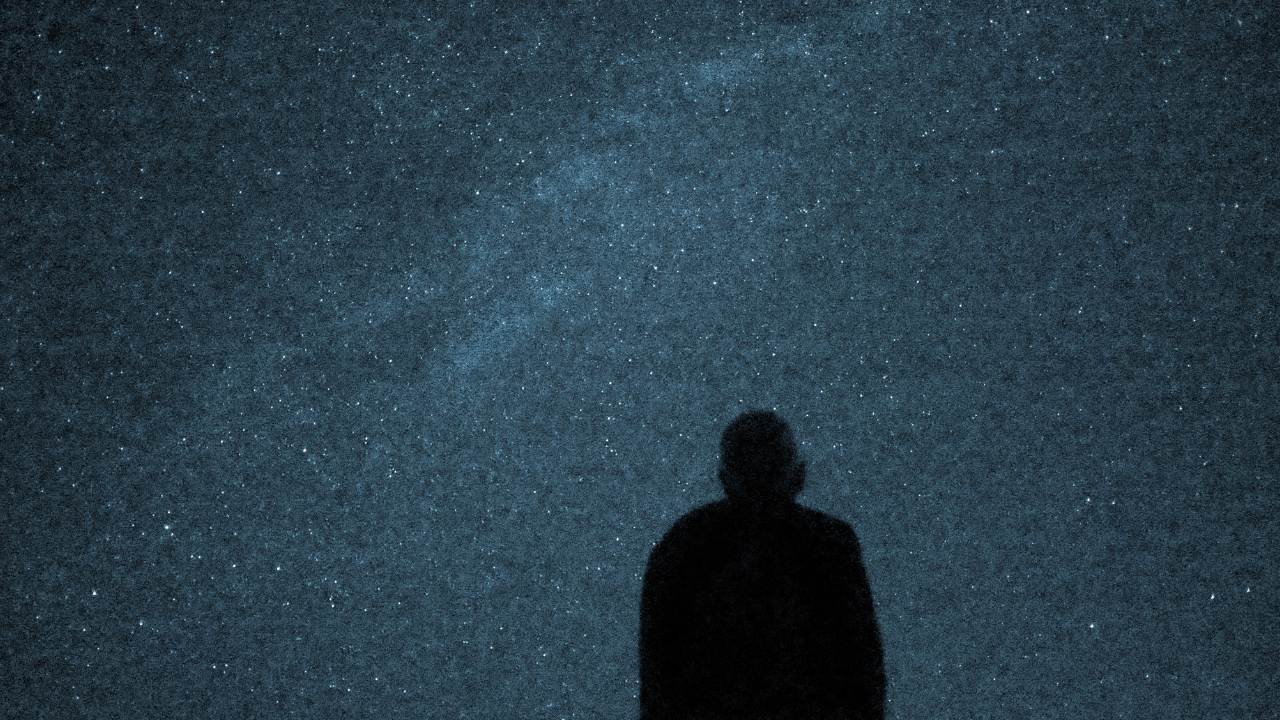
Little, Big, and Far is a tale of the collision between human existence and the history of the Earth and the cosmos. Karl, an Austrian astronomer nearing retirement, decides to take stock of his life, the state of scientific knowledge, the condition of the world – and their inherent disappointments. New York-based filmmaker Jem Cohen, the creator of the superb fiction film Museum Hours (2012), as usual blurs the boundary between fact and fiction in this essayistic documentary. Through an intimate conversation that forms the film’s backbone, he sets two scales of time and space against one another – deep time, encompassing prehistory, and the merest fraction of it that is accessible to human beings.
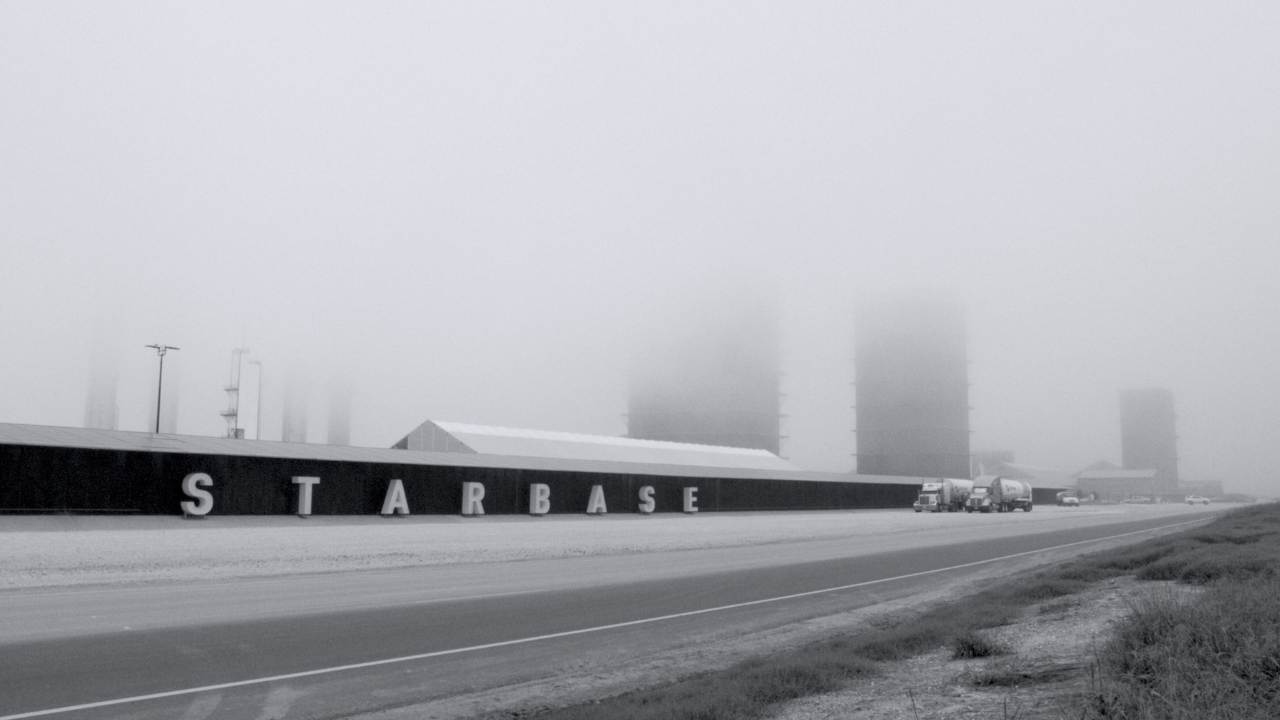
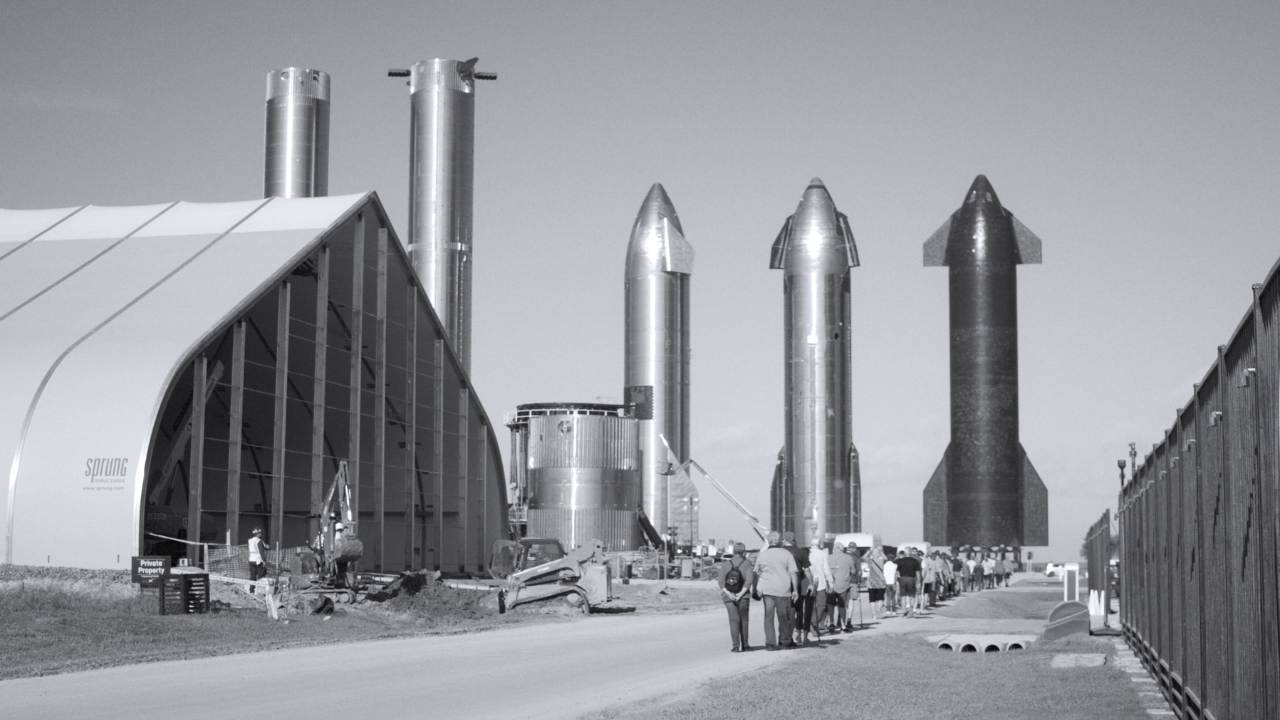
Is Boca Chica, Texas a laboratory for an interstellar future, or a dismal backroom of techno-capitalism? Canadian director Julien Elie, the filmmaker behind Dark Suns (2018) and The White Guard (2023), brings his characteristic cool precision to Shifting Baselines, revealing how the expansion of SpaceX, Elon Musk’s space industry venture, is brutally redefining the fabric of a local community and its natural environment. How it shapes, or rather deforms, people’s relationship with both the Earth and the cosmos.


Human Race is a film about an audacious genetics project – and, simultaneously, about equally towering ambitions and cost of practising science. The subject of Simon Lec’s film is Eske Willerslev. A brilliant DNA researcher, he is racing against time and his competitors to decode the ancient genomes of humankind. This scientific thriller from the Danish documentarian of Polish roots is at the same time a psychological study of an individual operating under pressure, rivalry, and ethical tension. His motivations prove every bit as compelling as the history of the human species.
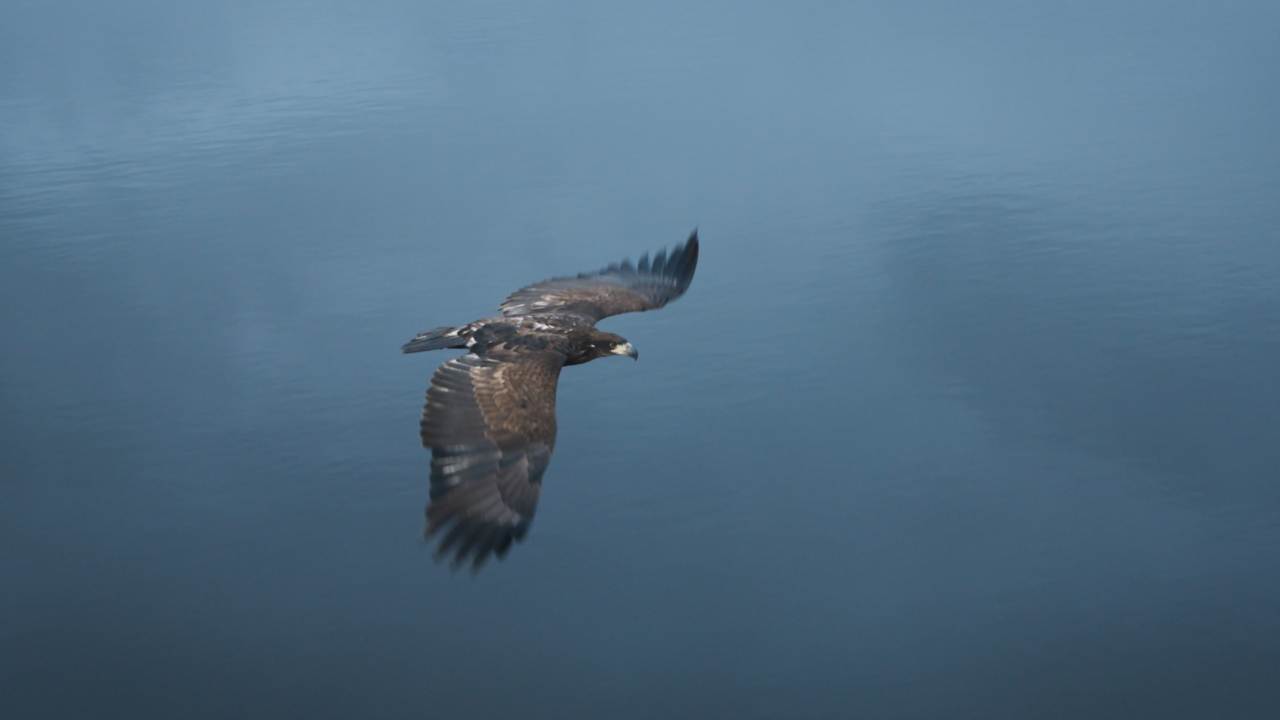

In the documentary Resilience, Czech director Tomáš Elšík presents two parallel stories: that of an activist who restores threatened habitats and an ornithologist who documents the poisoning of protected birds. Their endeavours coalesce a single, unified narrative about the value of an individual’s defiance against violence concealed within the everyday management of natural resources. It is a beautifully filmed documentary that lays bare the overwhelming disproportions between local initiative and the global scale of destruction – without easy consolations or rhetorical excess.
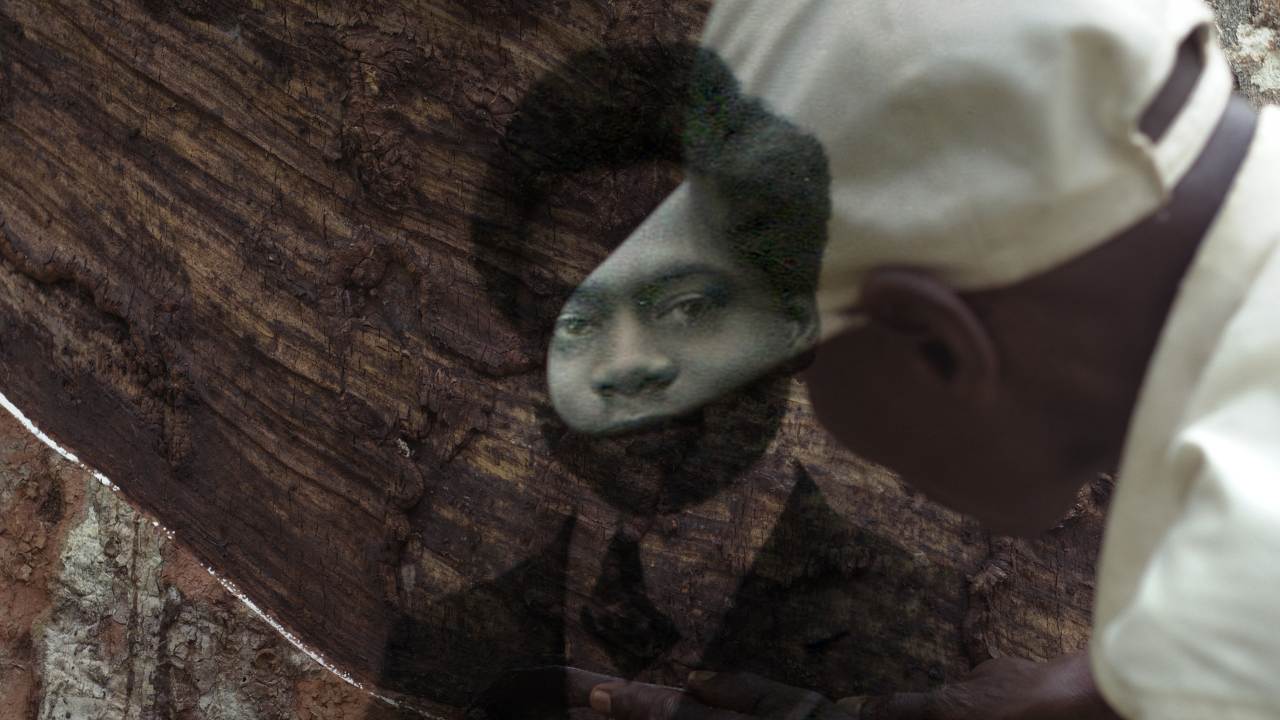
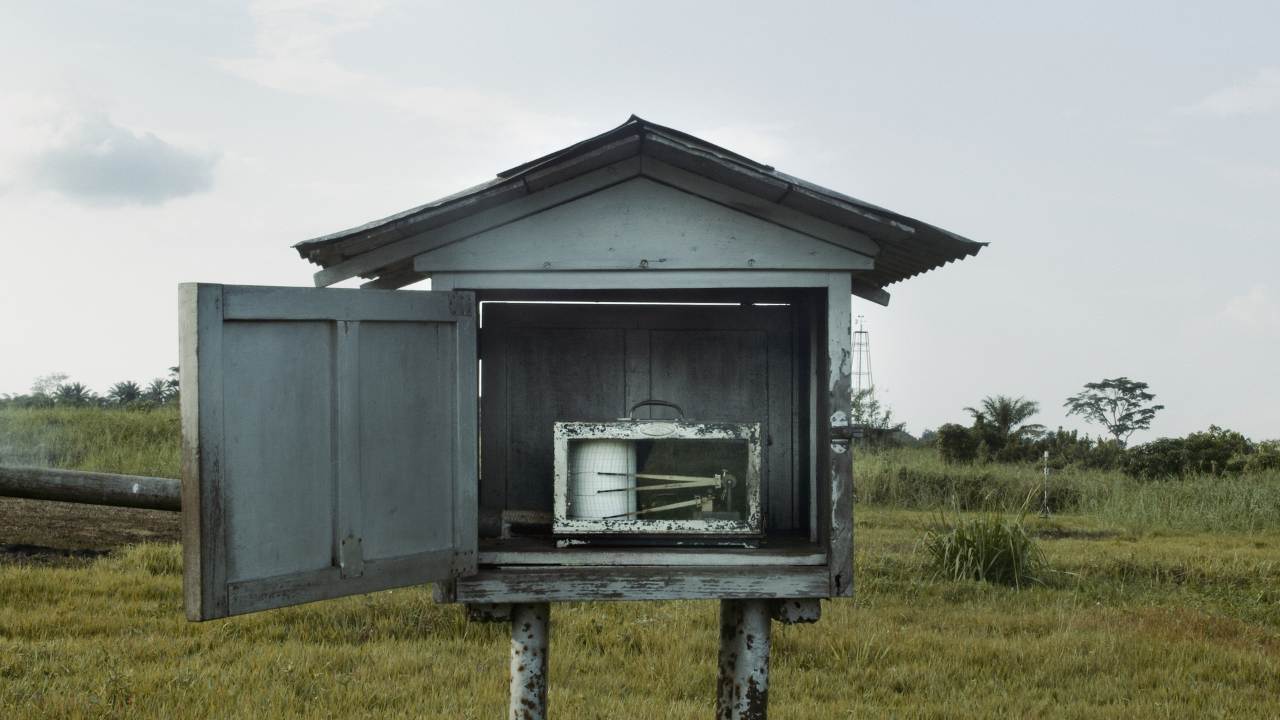
In The Tree of Authenticity, directed by Sammy Baloji, the landscape remembers more than the people do. The Congolese visual artist, photographer and filmmaker, co-creator of Rumba Rules, New Genealogies (2020), reaches for the archives of Yangambi, the historic centre for research into agriculture and tropical forests, and for contemporary images from the Democratic Republic of the Congo, to demonstrate how knowledge of the natural environment was wielded as an instrument of colonial exploitation. Awarded at IFFR 2025, this visual essay gives voice to the people – but above all to the titular tree, a non-human witness to history.


In Flicker, Dag Kaszlikowski, a physicist and filmmaker based in Singapore, offers a brief but sensuous essay on perception. At its centre lies the concept of the so-called Boltzmann brain – the hypothesis that a human being may be nothing more than a momentary fluctuation of particles, an illusion emerging from the chaos of a dying universe. Here, the boundary between the certain and the precarious is deliberately and provocatively made vague.
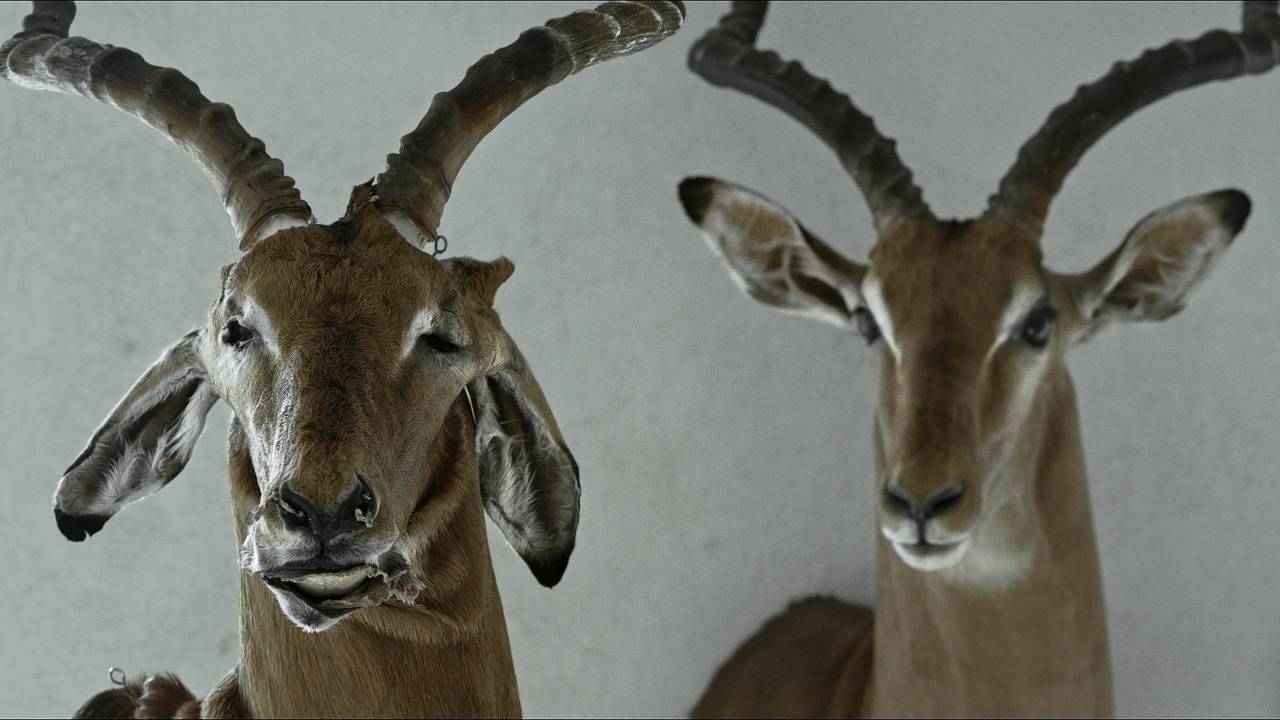
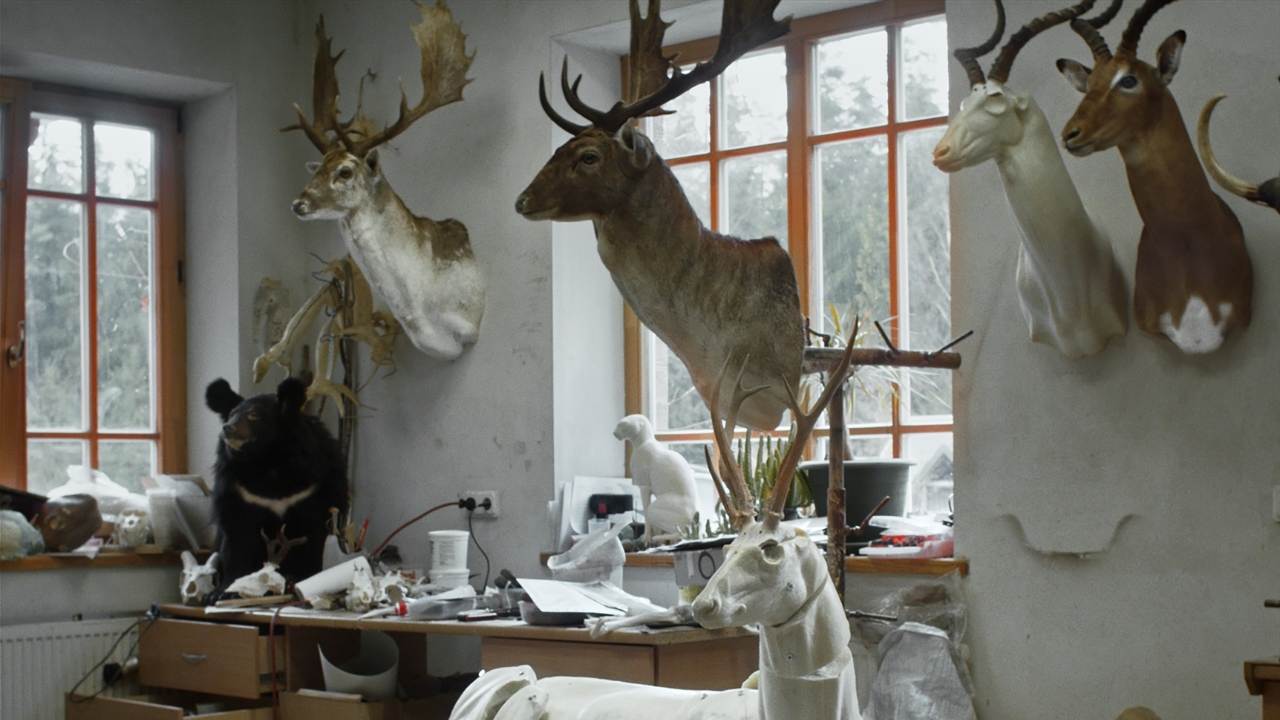
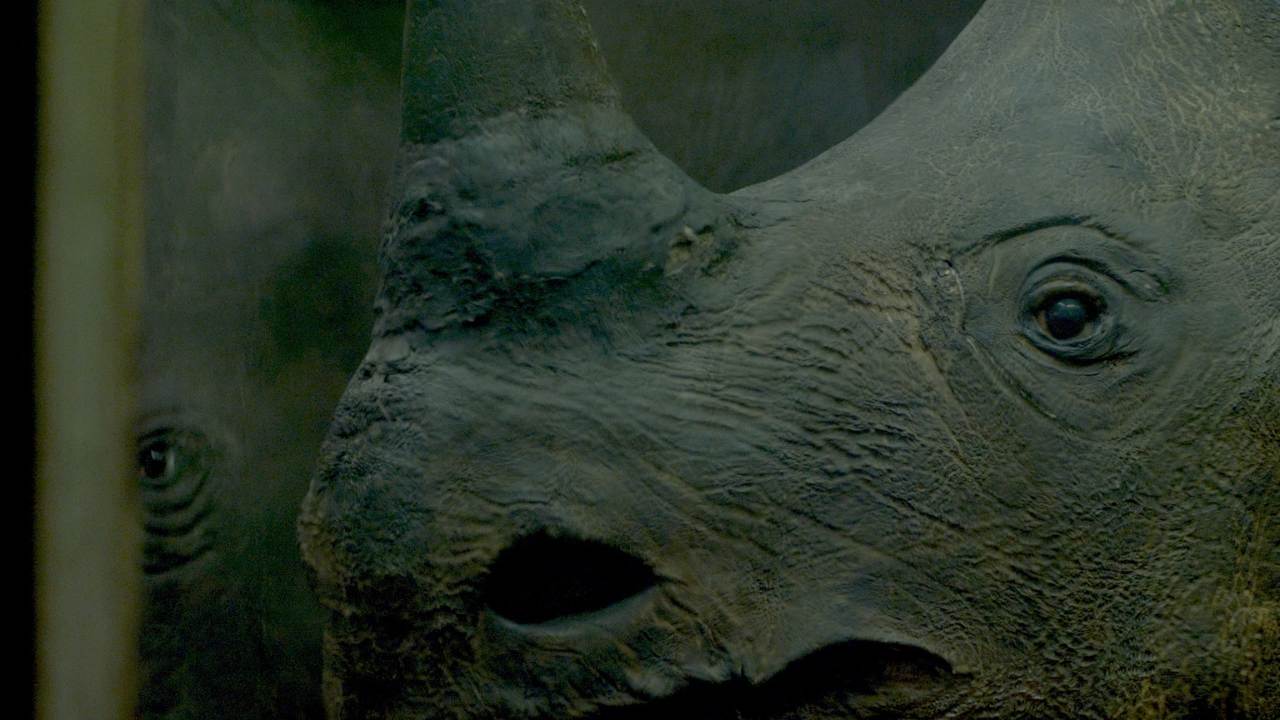
Meanwhile, Animus Animalis (a story about People, Animals and Things) is a seemingly oneiric yet in truth surgically precise story about “fringe” worlds where life and death intertwine in unexpected ways. Aistė Žegulytė trains her camera on taxidermists, breeders, and museum workers attempting to capture nature’s stillness. She reflects on the human compulsion to exert control over the natural world, and in particular the process by which culture transforms the animal into image, exhibit, and symbol. It is a formally inventive feature-length documentary debut.
Films featured in this year’s Docs+Science:
- Animus Animalis (a story about People, Animal and Things), dir. Aistė Žegulytė, Lithuania, 69’, 2018
- Flicker, dir. Dagomir Kaszlikowski, Singapore, 15’, 2026
- Human Race, dir. Simone Lec, Denmark 100’, 2025
- Little, Big, and Far, dir. Jem Cohen, Austria, USA, 122’, 2024
- Resilience, dir. Tomáš Elšík, Czech Republic, 83’, 2025
- Shifting Baselines, dir. Julien Elie, Canada, 100’, 2025
- The Tree of Authenticity, dir. Sammy Baloji, Democratic Republic of Kongo, Belgium, 89’, 2025
The partner of Docs+Science is the Faculty of Physics, Astronomy and Applied Computer Science at the Jagiellonian University, and the Bliżej Nauki project.
Insider passes for the 66th Krakow Film Festival are now on sale!
The Krakow Film Festival is on the exclusive list of film events qualifying for the Academy Awards® in short film categories (fiction, animation, documentary) and feature-length documentary, the European Film Awards in the same categories, and serves as a qualifying event for the BAFTA Awards.
The Krakow Film Festival is organised with financial support from the City of Krakow, the Polish Film Institute, the Creative Europe MEDIA Programme, and the Ministry of Culture and National Heritage from the Culture Promotion Fund – a state purpose fund. The Polish Filmmakers Association serves as co-organiser.
The 66th Krakow Film Festival will be held in cinemas from 31 May to 7 June 2027 and online on KFF VOD from 5 June to 19 June 2026.