The first titles announced for this year’s International Documentary Competition at the Kraków Film Festival tell a story about moments of transition – those most intimate, inscribed upon the body and desire, but equally those that are social and historical in nature. The presented films are rich in sensual imagery and bold confessions, yet they also recount lives marked by the destructive forces of nature and the violence of war.
Beneath the cold skies of Finland, within an archaic Ukrainian community beset by the elements and armed conflict, and across the Brazilian sertão, these filmmakers trace the process by which innocence ceases to be a given. Though each film comes from a different locale and a different sensibility, all converge at the same place – a moment of crisis, when calm is revealed as illusory and desires, memories, or the sheer need for survival push to the fore.
Confessions of a Burning Body
Markku Heikkinen’s The Arctic Circle of Lust guides its audience towards an intimate transformation that unfolds far from any big city, set against the austere landscape of the North and measured to the rhythm of daily farmwork. The film follows a couple learning to establish new terms for their relationship, grounded in honesty and openness. Fifty-year-old Petri confronts his bisexuality, whilst Anu – in response to this shift – redefines her own expectations, boundaries, and understanding of intimacy.
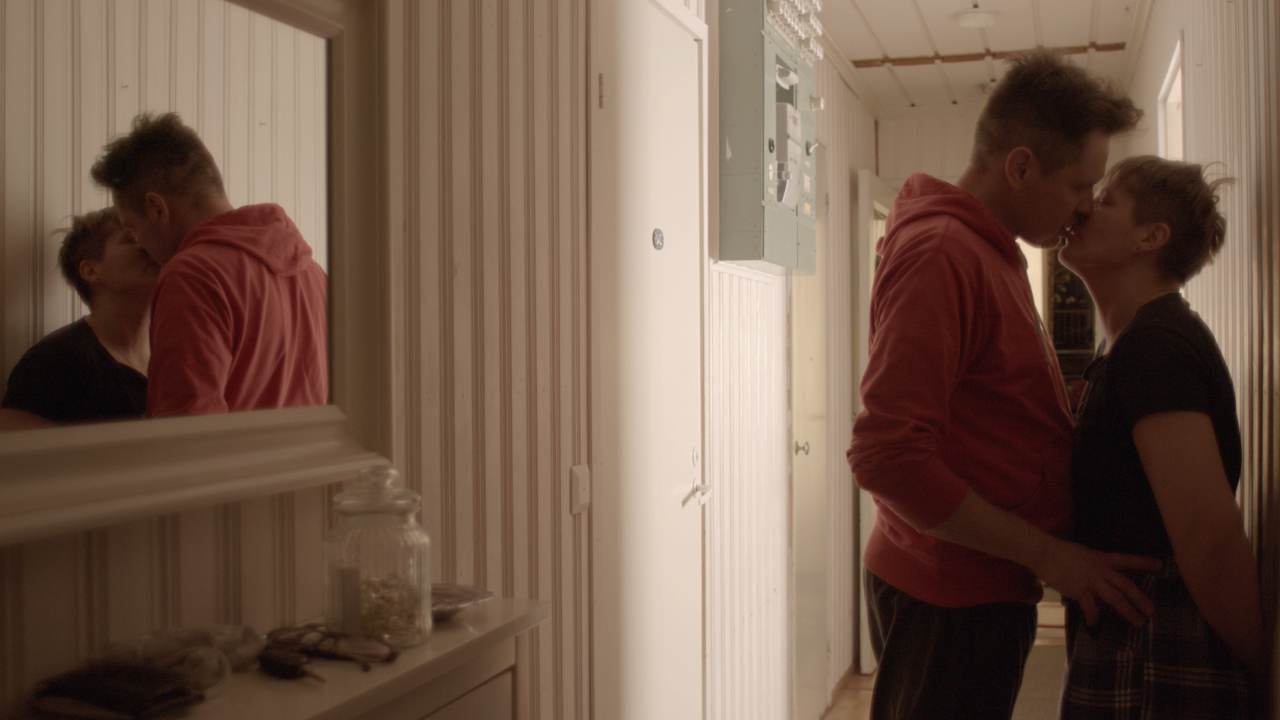

It is a story of love, desire, and identity set amidst the chill of the Finnish climate, yet simultaneously a warm portrait of people who must decide whether to continue hiding what has until now remained unspoken. Heikkinen gives voice to both partners, and the film distinguishes itself formally as well – favouring bold, sensual cinematography, and an unflinching approach to corporeality. In the background, a world of non-heteronormative men emerges – one kept hidden from partners and community, and at times even from oneself. It is precisely in this gap between the private and the social, between shame and freedom, that The Arctic Circle of Lust asks its most searching questions about sexual identity.
Small Lives, Great Catastrophes
Silent Flood, directed by Dmytro Sukholytkyy-Sobchuk – the filmmaker behind the superb Pamfir – transports viewers to an insular Ukrainian community, seemingly suspended in time. Living without modern amenities in an idyllic settlement on the banks of the Dniester, a place that had seen the front lines of both World Wars, the inhabitants try to lead ordinary lives.
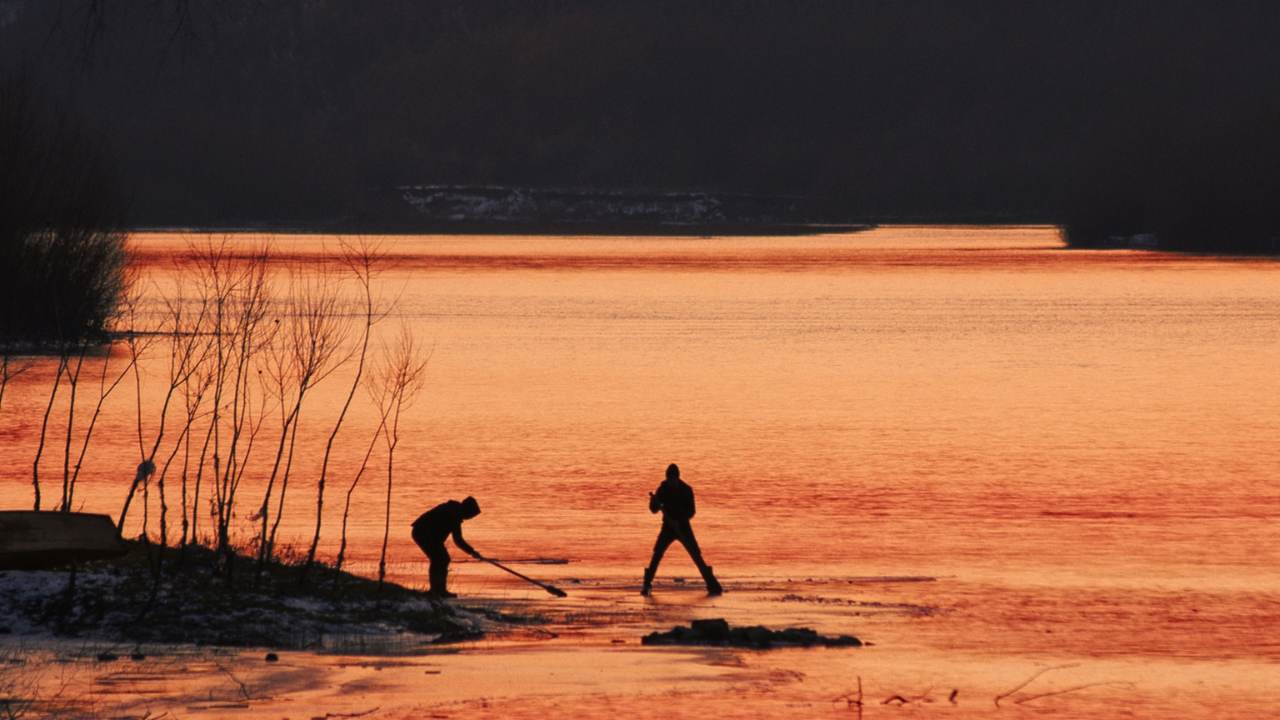
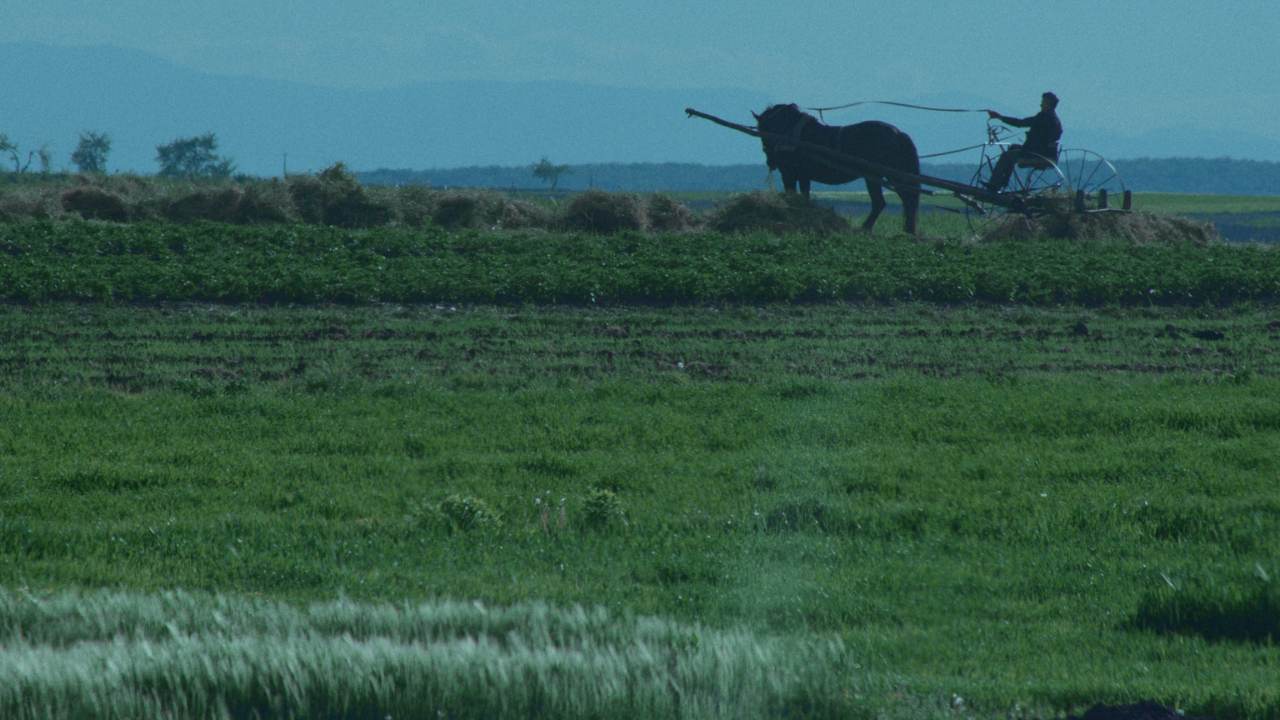
Yet peace and innocence prove profoundly fragile. This world is torn asunder time and again by two merciless forces: floods and war, and Sukholytkyy-Sobchuk renders his portrait of it with lyricism and restraint. A static camera registers how, after each successive flooding, the community organises itself to raise daily existence from the ruins. Catastrophes alter the rhythm of life, and conflict transforms the country. Within these transformations, the present becomes intertwined with the memory of past wars – yet despite each new misfortune, the sense of belonging to this small homeland endures.
The End of Innocence
The Fabulous Time Machine, directed by Eliza Capai, unfolds in the arid Brazilian interior – a world in which men remain “giants” to the women around them, and girls grow up caught between the difficult past of their mothers and dreams of a better future.


The film follows its young subjects as they journey from childhood towards adolescence. Though they live in houses with earthen floors and no running water, they speak of their “privileges”: they have food to eat, they can study, play, and dream. Knowing no other reality, they invent a “time machine”, and through play they try to grapple with subjects that swiftly cease to be childlike – gender inequality, alcoholism, and matters of religion. As the girls begin to grasp that time cannot be halted, they attempt to peer into the future and imagine themselves as independent women. The documentary blends childhood imagination with the truth of systemic poverty and the social roles instilled from the earliest age. It reveals how quickly carefree existence comes to an end, supplanted by ruthless reality.
Selected titles from the International Documentary Competition:
- The Arctic Circle of Lust, dir. Markku Heikkinen, 97’ Finland, Germany, Sweden, 2026
- The Fabulous Time Machine, dir. Eliza Capai, 71’, Brazil, 2026
- Silent Flood, dir. Dmytro Sukholytkyy-Sobchuk, 90’, Ukraine, Germany, 2025
Insider passes for the 66th Krakow Film Festival are now on sale!
The Krakow Film Festival is on the exclusive list of film events qualifying for the Academy Awards® in short film categories (fiction, animation, documentary) and feature-length documentary, the European Film Awards in the same categories, and serves as a qualifying event for the BAFTA Awards.
The Krakow Film Festival is organised with financial support from the City of Krakow, the Polish Film Institute, the Creative Europe MEDIA Programme, and the Ministry of Culture and National Heritage from the Culture Promotion Fund – a state purpose fund. The Polish Filmmakers Association serves as co-organiser.The 66th Krakow Film Festival will be held in cinemas from 31 May to 7 June 2027 and online on KFF VOD from 5 June to 19 June 2026.