What becomes of documentary cinema when image no longer reflects reality? In an age filled with pictures generated by artificial intelligence, can meaningful arguments about authenticity even be made? These are the questions that Synthetic Sincerity, Marc Isaacs’ new film, will pose to festival audiences. Addressing one of the most pressing challenges of our time, the film is going to inaugurate the 66th edition of the Krakow Film Festival. The opening ceremony, with the director in attendance, will take place on 31 May at 6.00 p.m. at the Kijów cinema.
“Working on Synthetic Sincerity alongside screenwriter Adam Ganz, we felt compelled to make a film that was at once amusing and genuinely provocative. A film that places its subjects at the centre while bringing to the fore the philosophical questions surrounding the status of the image and the nature of truth in the age of artificial intelligence. In a mere 130 years, we have journeyed from the birth of cinema to a point where a camera is no longer even necessary to make a film – arriving at what might be termed a ‘crisis of representation.’ Our hope is that through a carefully constructed narrative, blending documentary techniques with fiction and artificial intelligence, the film will open up a space for reflection. We very much look forward to discussing the film with you in Krakow,” comments the director.
“This year’s festival opening is going to be truly spectacular. The film we have selected is a vital contribution that compels us to reflect upon the transformation unfolding before our eyes – the changing role of the creator and our relationship to AI. I am delighted that Marc Isaacs is returning to Kraków with his latest work!” says Barbara Orlicz-Szczypuła, Director of the Krakow Film Festival, explaining the choice.
“The film we have chosen to open this year’s edition of the KFF not only addresses the increasingly urgent question of our close relationships with new technologies. It also invites a conversation about what cinema – documentary cinema in particular – should be today, at a time when we find it ever harder to trust the images in front of our eyes. Marc Isaacs’ film manages to explore these themes with a lightness of touch, pushing at the boundaries of the classical documentary form,” comments Anita Piotrowska, the festival’s Artistic Director.
“Film begins with the human face” – these words of Ingmar Bergman, which open Marc Isaacs’ documentary, no longer sound so obvious as they once did. In a world increasingly saturated by the products of artificial intelligence, distinguishing the authentic from the merely digitally fabricated grows ever more difficult. Synthetic Sincerity strikes at the very heart of current ethical dilemmas, directing our attention towards the authenticity of the human face and towards the future of cinema itself.
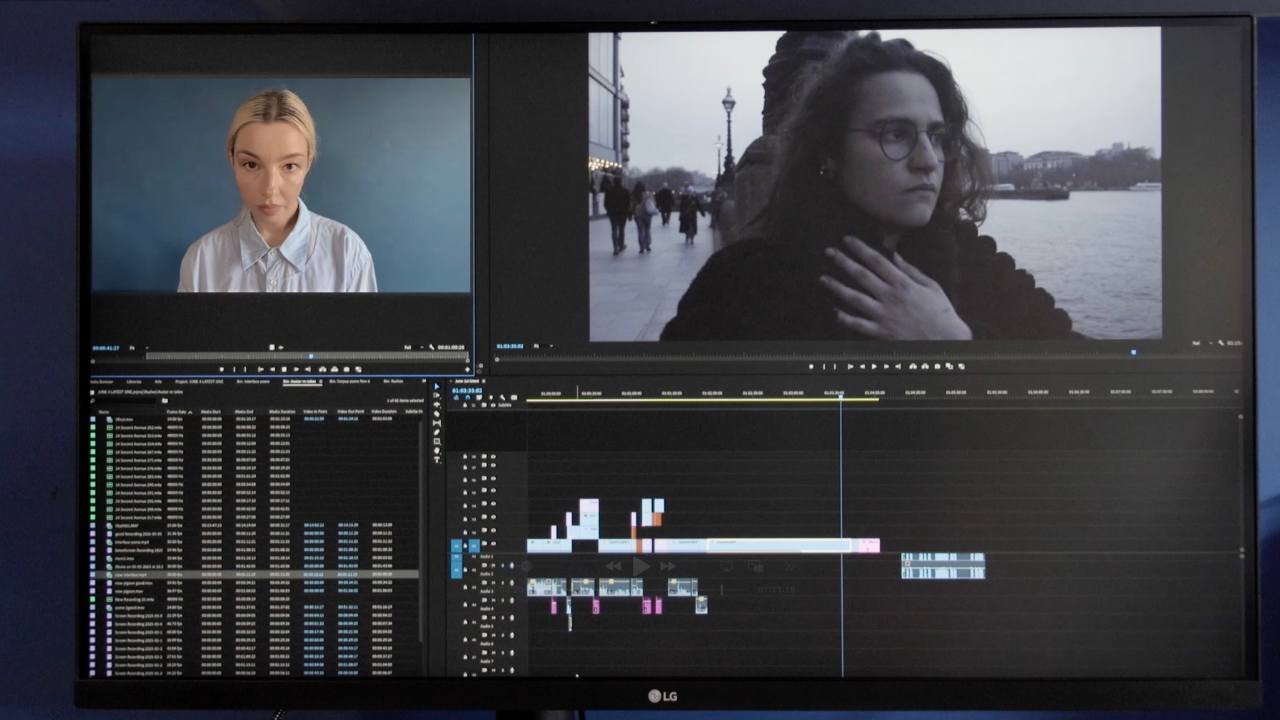
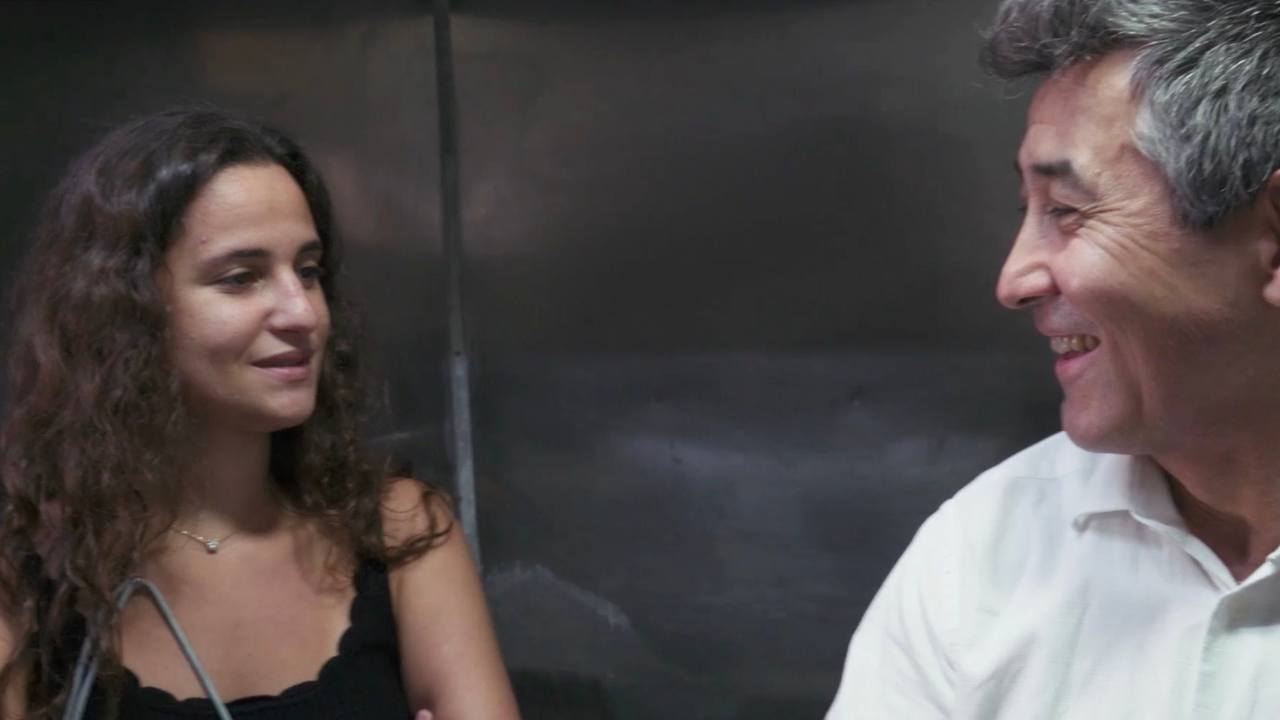
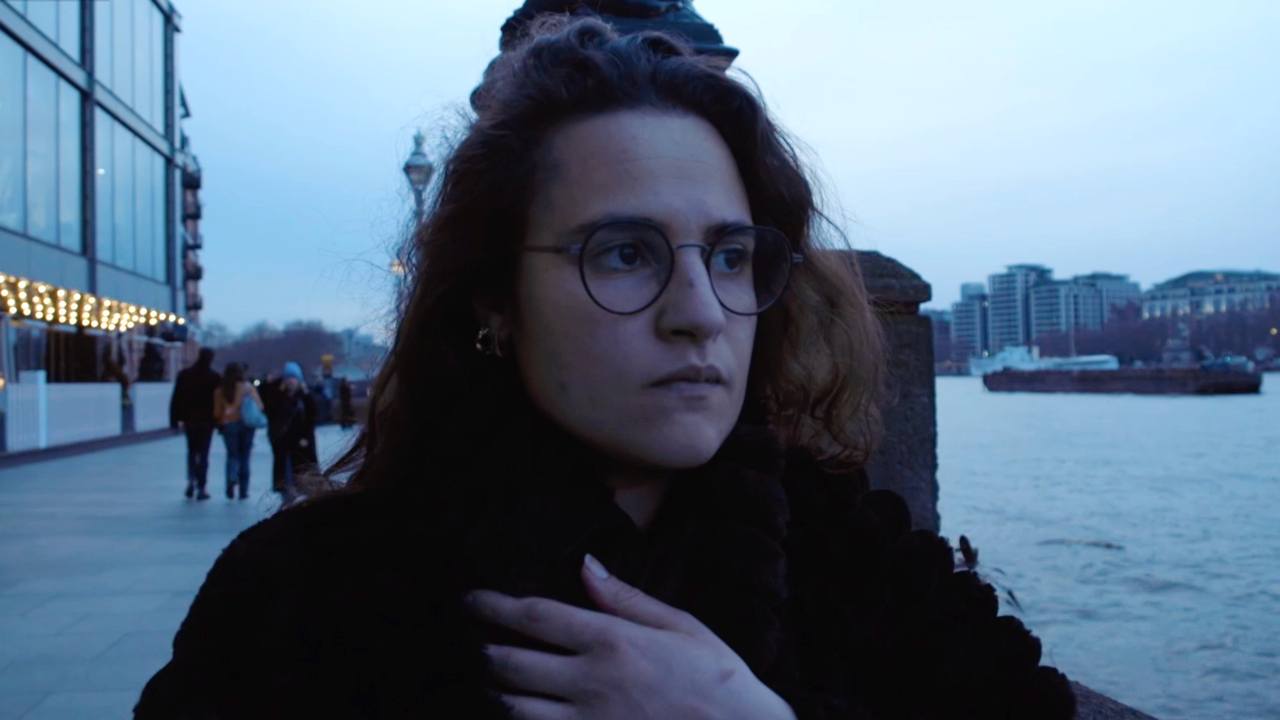
The research team at The Synthetic Sincerity Lab approached the director with a request to access conversations recorded during the making of his films. The scientists wished to use them as AI training material, with the aim of generating more convincing and more ‘human’ characters. In return, Isaacs was granted the opportunity to observe and film the process by which data on facial expression and bodily response is gathered. Among the figures who appear on screen is a digital rendering of the Romanian actress Ilinca Manolache, familiar to Polish audiences from Radu Jude’s Do Not Expect Too Much from the End of the World. By playing with different levels of realism and with its subtle wit, the film examines the relationship between humans and machines, posing a further question: in a world where computer systems are learning what it means to be human, and where the boundaries between fact and fiction are getting blurrier by the hour, is genuine sincerity still possible?
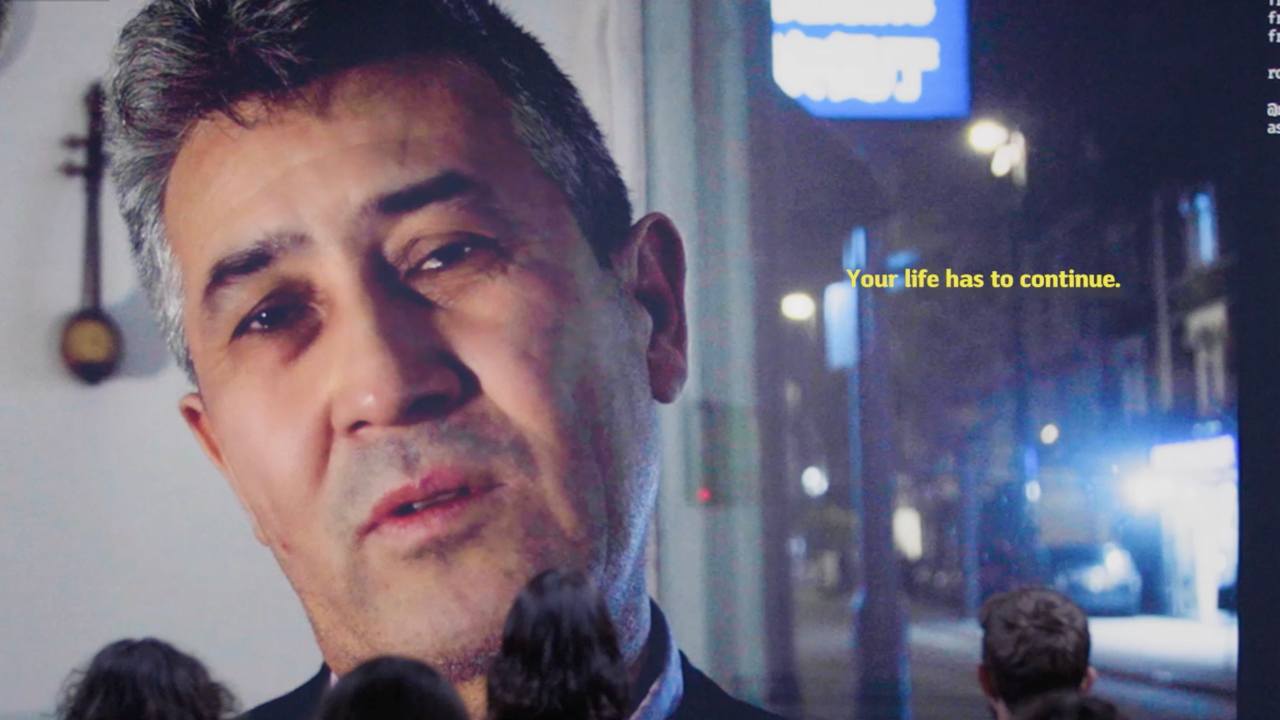
Marc Isaacs – Documentary filmmaker. He has directed over 10 original documentaries for the BBC iChannel 4. His work has been honoured with Grierson, Royal Television Society, and BAFTA awards, as well as numerous prizes at international film festivals. Men of the City (2010) and The Filmmaker’s House (2020) were both screened at the KFF. In 2008, he was awarded an honorary doctorate by the University of East London in recognition of his achievements in documentary filmmaking. He holds guest lectures at the London Film School, the National Film and Television School (NFTS), and Royal Holloway University.
The screening of the opening film of the 66th Krakow Film Festival will be presented with audio description for visually impaired audiences and SDH subtitles for those with hearing impairments.
Selected titles from the International Documentary Competition:
- The Arctic Circle of Lust, dir. Markku Heikkinen, 97’ Finland, Germany, Sweden, 2026
- The Fabulous Time Machine, dir. Eliza Capai, 71’, Brazil, 2026
- Silent Flood, dir. Dmytro Sukholytkyy-Sobchuk, 90’, Ukraine, Germany, 2025
- Redlight to Limelight, dir. Bipuljit Basu, 100’, India, Finland, Latvia, 2025
- Holofiction, dir. Michal Kosakowski, 102’, Germany, Austria, 2026
- Tickling the Devil, dir. Piotr Małecki, Maciej Nabrdalik, 82’, Poland, 2026
- Magic Hour, dir. Marcin Borchardt, 80’, Poland, 2026
- Synthetic Sincerity, dir. Marc Isaacs, 72’, United Kingdom, 2025
Insider passes for the 66th Krakow Film Festival are now on sale!
The Krakow Film Festival is on the exclusive list of film events qualifying for the Academy Awards® in short film categories (fiction, animation, documentary) and feature-length documentary, the European Film Awards in the same categories, and serves as a qualifying event for the BAFTA Awards.
The Krakow Film Festival is organised with financial support from the City of Krakow, the Polish Film Institute, the Creative Europe MEDIA Programme, and the Ministry of Culture and National Heritage from the Culture Promotion Fund – a state purpose fund. The Polish Filmmakers Association serves as co-organiser.The 66th Krakow Film Festival will be held in cinemas from 31 May to 7 June 2027 and online on KFF VOD from 5 June to 19 June 2026.