Here are the most compelling films from across the globe – works that refuse to look away from the burning questions of our time whilst boldly pushing beyond the boundaries of classical documentary filmmaking. Here is the complete programme of the International Documentary Competition. The Kraków Film Festival invites its audiences to reflect on the future of cinema, encounter extraordinary personalities, and to journey to the furthest corners of the world. Competing for this year’s top honours are films of formal daring and emotional intensity – unafraid of intimacy, and wholly capable of casting a critical eye over reality.
Cinema Looking at Itself
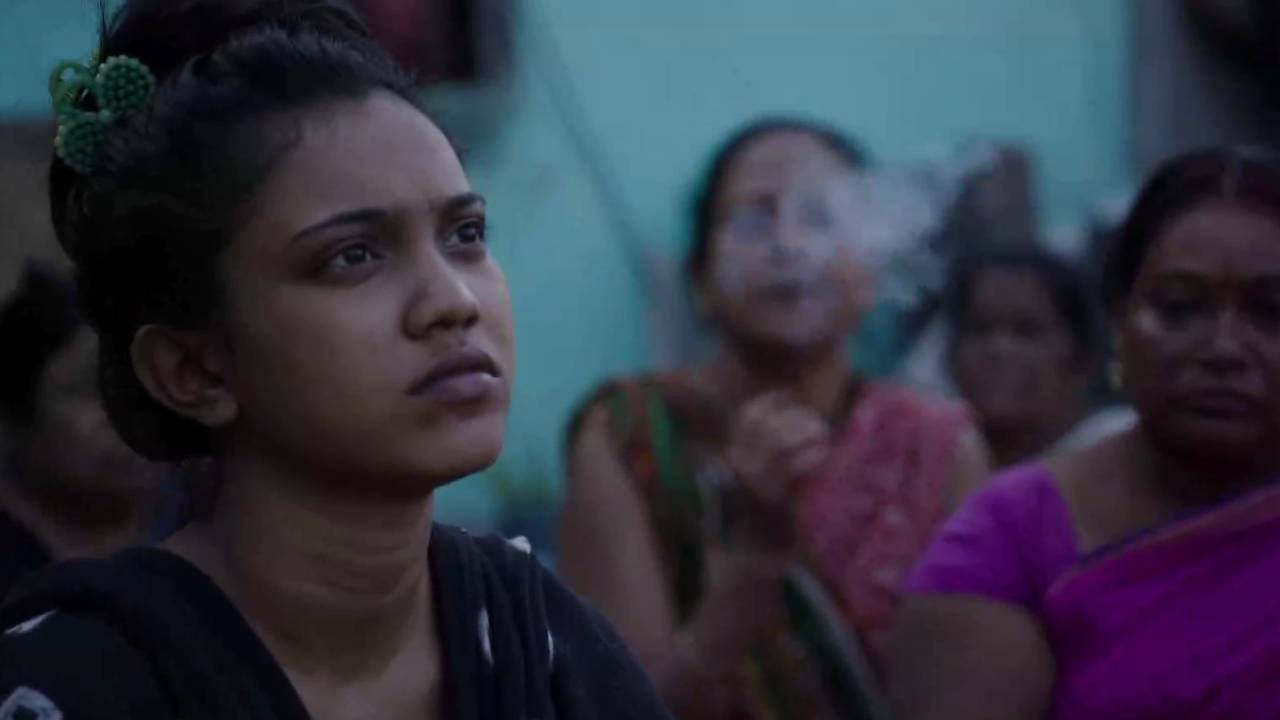
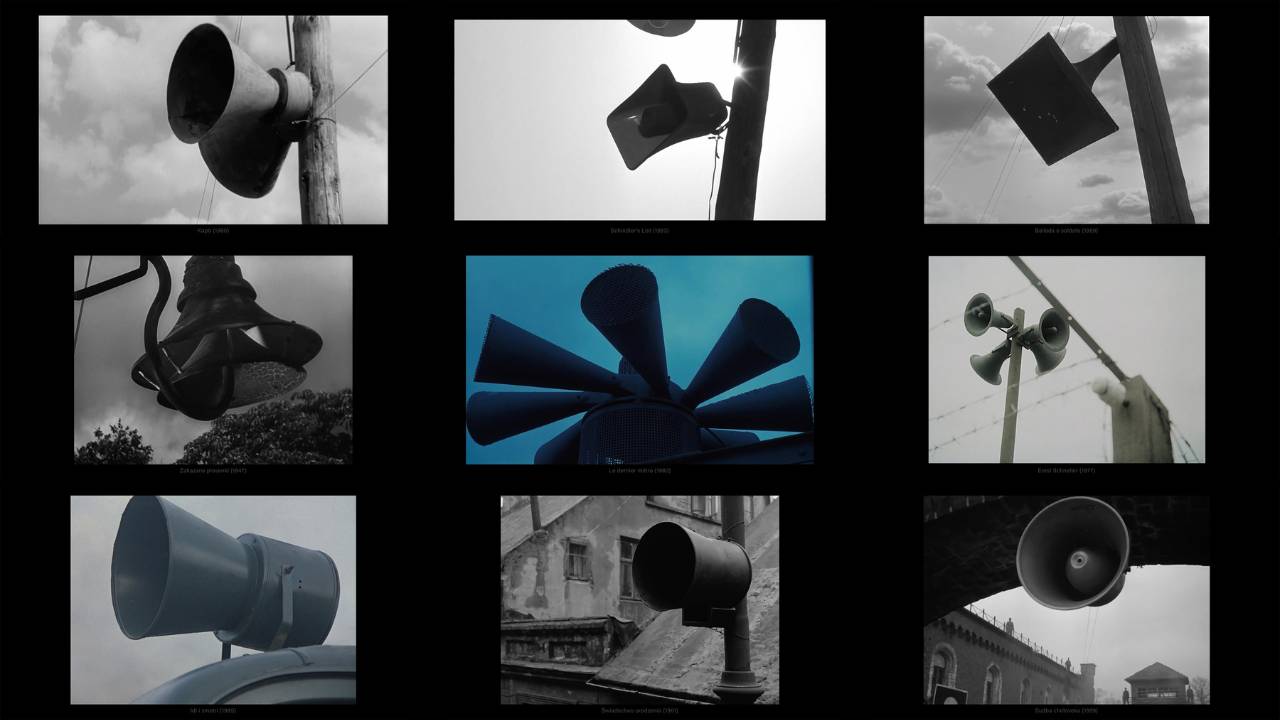
Introspective stories about cinema, its creators and social resonance remind us that film not only continues to speak about itself, but is perpetually redefining its own role – as an instrument of memory, emancipation, and contemplation on the future of motion pictures. In Redlight to Limelight, Bipuljit Basu makes a compelling case that cinephilia can genuinely transform lives: for sex workers in Kolkata and their children, the camera becomes a means of building agency, community, and new beginnings. Michal Kosakowski’s Holofiction is an audacious video essay assembled from fragments of thousands of feature films about the Holocaust – a meditation on how cinema has, across decades, shaped collective imagination and entrenched particular ways of seeing.
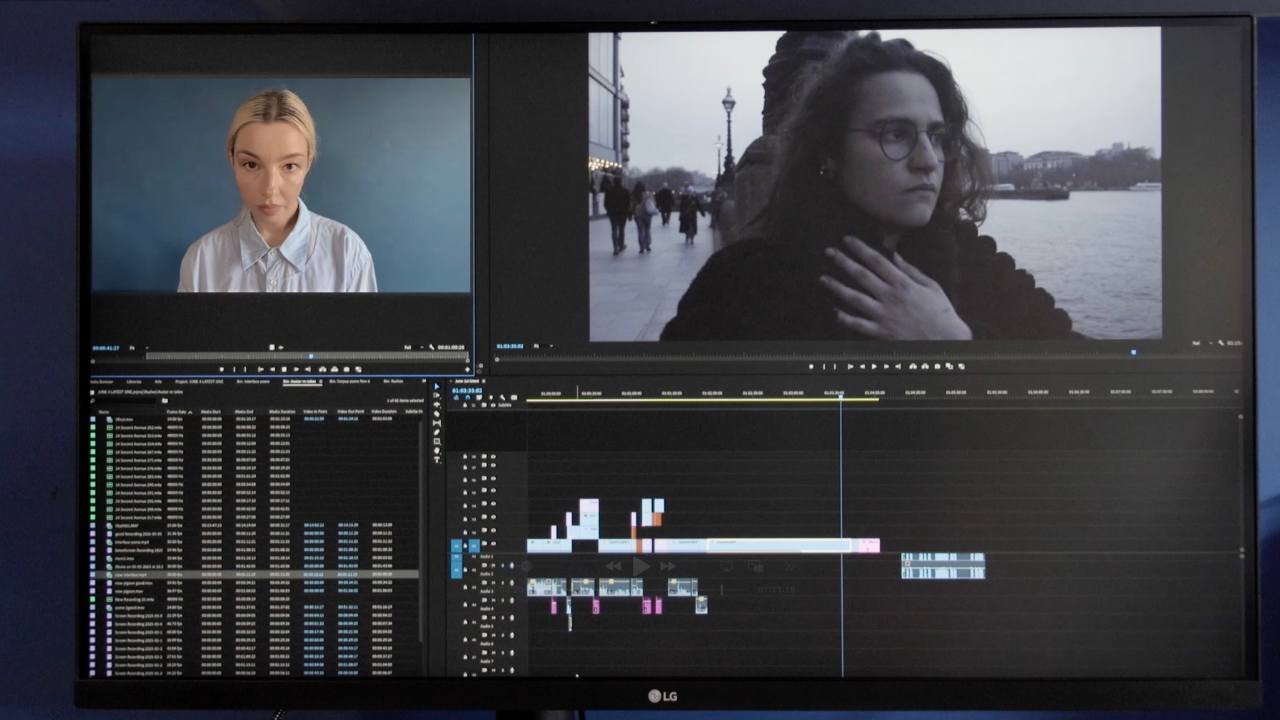
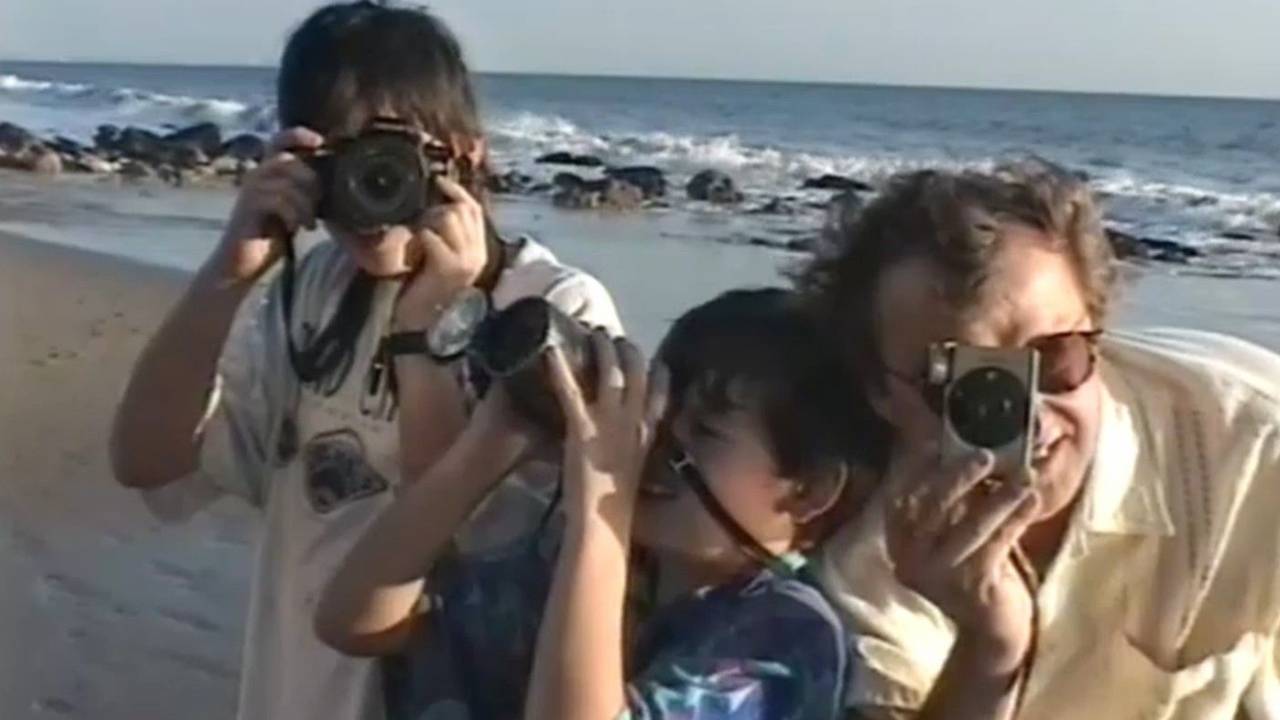
Magic Hour by Marcin Borchardt, composed from private archival materials and home recordings, sheds more light on the figure of Piotr Sobociński, one of Poland’s most distinguished cinematographers, exploring the inheritance of cinematic sensibility, familial bonds, and a passion that transcends the boundaries of ordinary life. Yet in an age increasingly flooded by AI-generated images, can we still trust what we see on screen? This question will linger with audiences long after the credits of the festival’s opening film – Synthetic Sincerity – start rolling. Marc Isaacs has crafted a deeply intriguing documentary about artificial intelligence, authenticity, and the ever more blurred line dividing reality and digital invention.
Waiting for Democracy
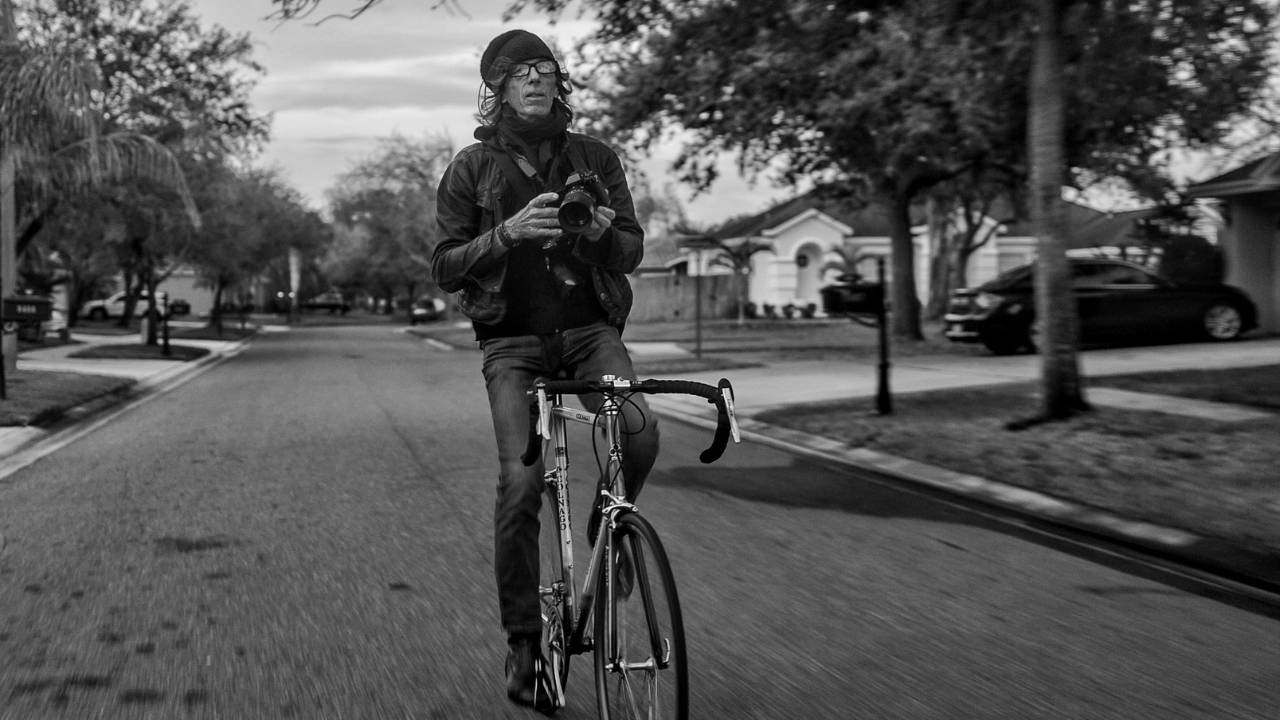
Just as Marc Isaacs contemplates the future of cinema, the protagonists of other competition films look with anxiety upon the fate of their own countries. In Tickling the Devil, by Piotr Małecki and Maciej Nabrdalik, legendary war photographer Christopher Morris observes signs of violence, deepening divisions, and the erosion of democratic values in contemporary America. The film is also a portrait of a man gifted with an extraordinary ability to sense an approaching crisis – someone who has spent years observing the world through the prism of war, and who today recognises its familiar omens within his own country.
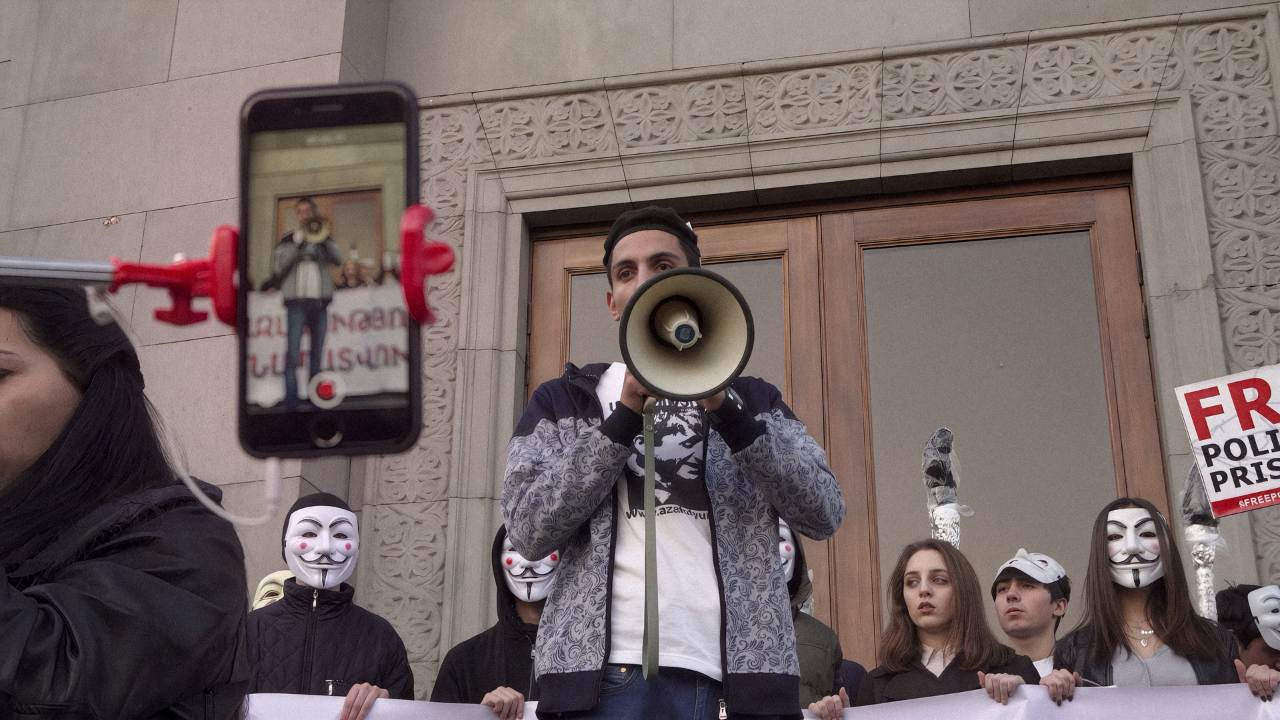
Meanwhile, The Winning Generation by Marco de Stefanis traces the journey of Shahen Harutyunyan as he prepares to inherit a family legacy of political resistance and responsibility for Armenia’s future. The director sketches a portrait of a young generation which still hopes for sovereignty and genuine change. Both films weave politics and personal experience, reminding us that remaining true to one’s own values so often comes with a considerable price.
Intimate Stories
The International Documentary Competition is no stranger to micro-stories in which the private and the personal intertwine with broader social currents – prejudice, exclusion, and the struggle to transcend roles that have been imposed rather than chosen. If Pigeons Turned to Gold by Pepa Lubojacki – this year’s recipient of the award for best documentary at the Berlinale – is a radically personal and formally inventive account of a family chain of addiction, of helplessness, and of a desperate attempt to rescue the ones you love.
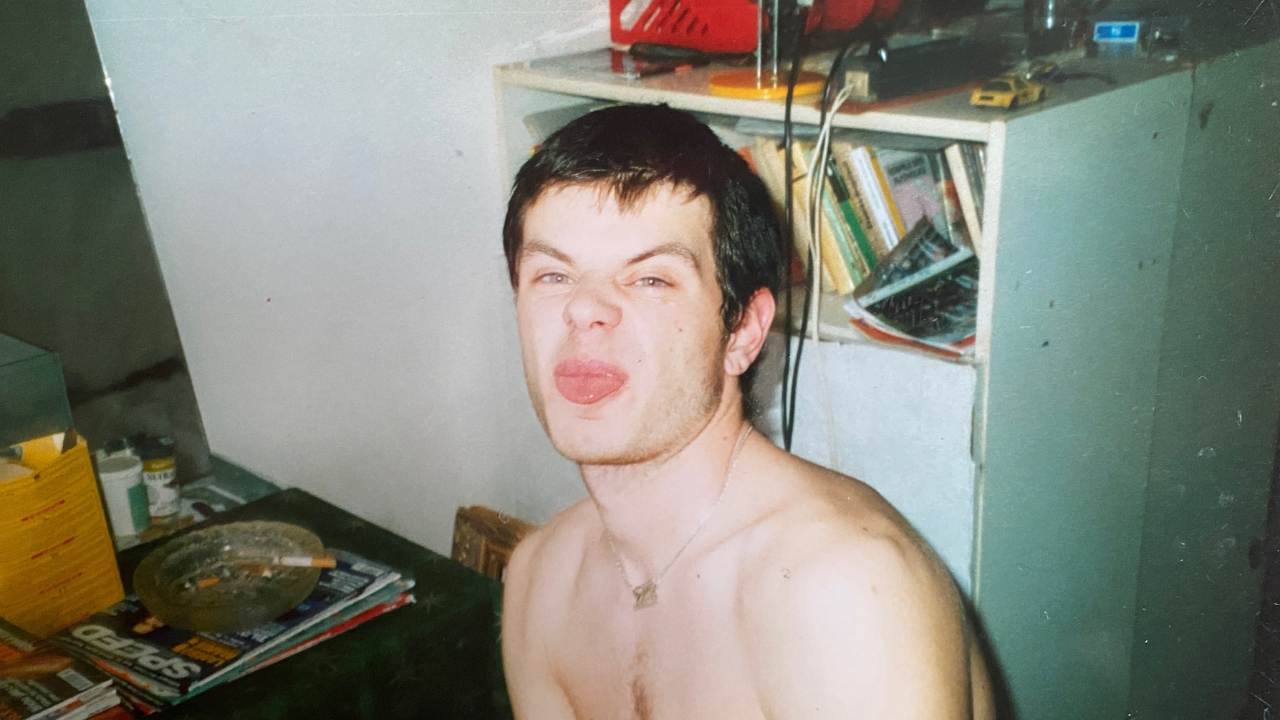
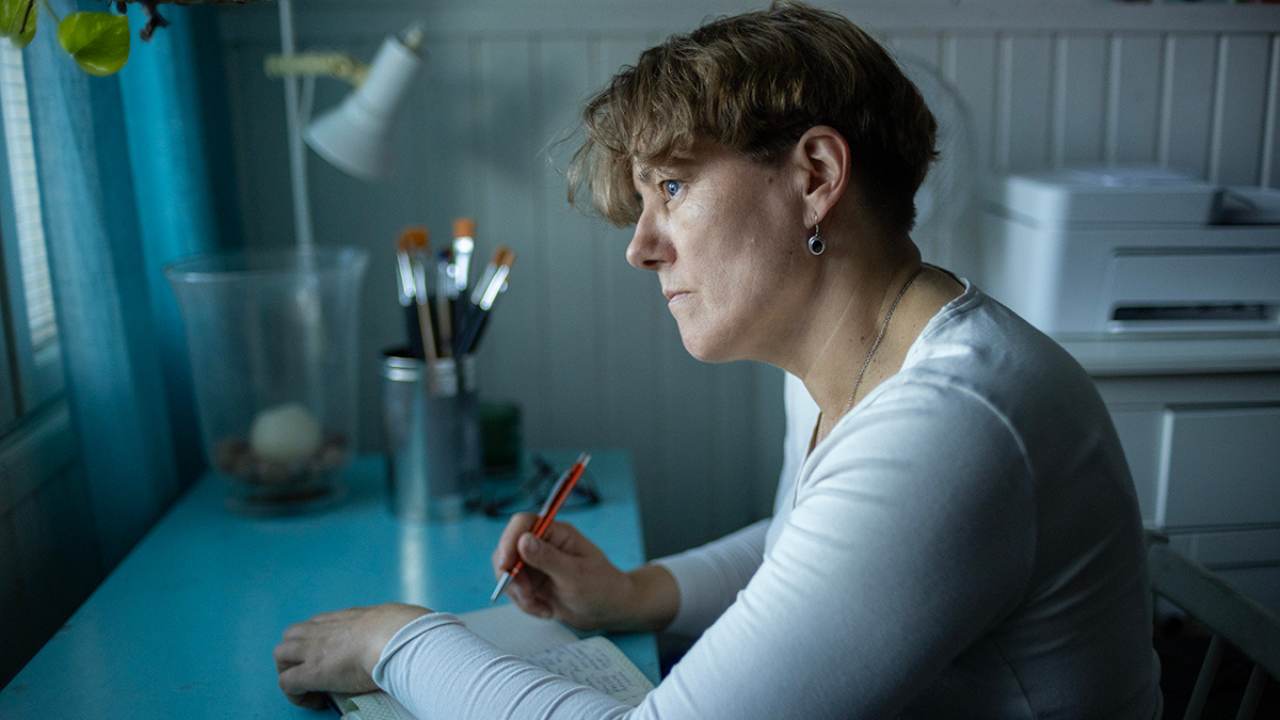
Accompanying her brother as he battles alcoholism and the crisis of homelessness, Lubojacki constructs an empathetic story about pain, hope, and the effort to comprehend that which defies simple answers. An invitation to something more sensory is extended by the remarkably sensual The Arctic Circle of Lust, directed by Markku Heikkinen – a study of a married couple who, against the rigid landscapes of the far North, slowly relearn sincerity, redefine the boundaries of intimacy, and open its relationship to other connections.
At World’s End
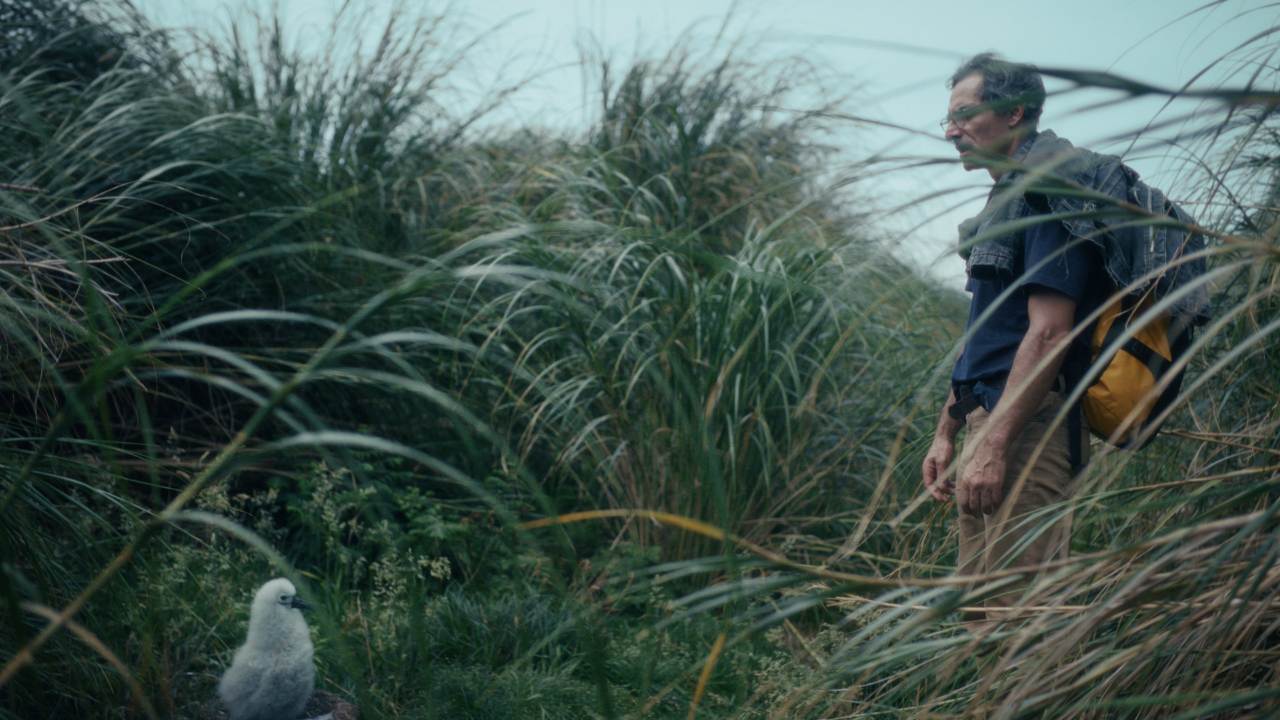
While some dream of escaping into the wider world, others seek refuge as far from it as possible. These films lead us to remote corners of the globe, laying bare social tensions and economic inequalities. The melancholic Tristan Forever by Tobias Nölle and co-director Loran Bonnardot sets the romantic fantasy of life at the world’s edge on a collision course with the stark reality of an isolated island. Equally distant from modernity is the world of Silent Flood, in which Dmytro Sukholytkyy-Sobchuk transports us to a Ukrainian community on the banks of the Dniester, a place perpetually exposed to both the ravages of war and nature’s forces.

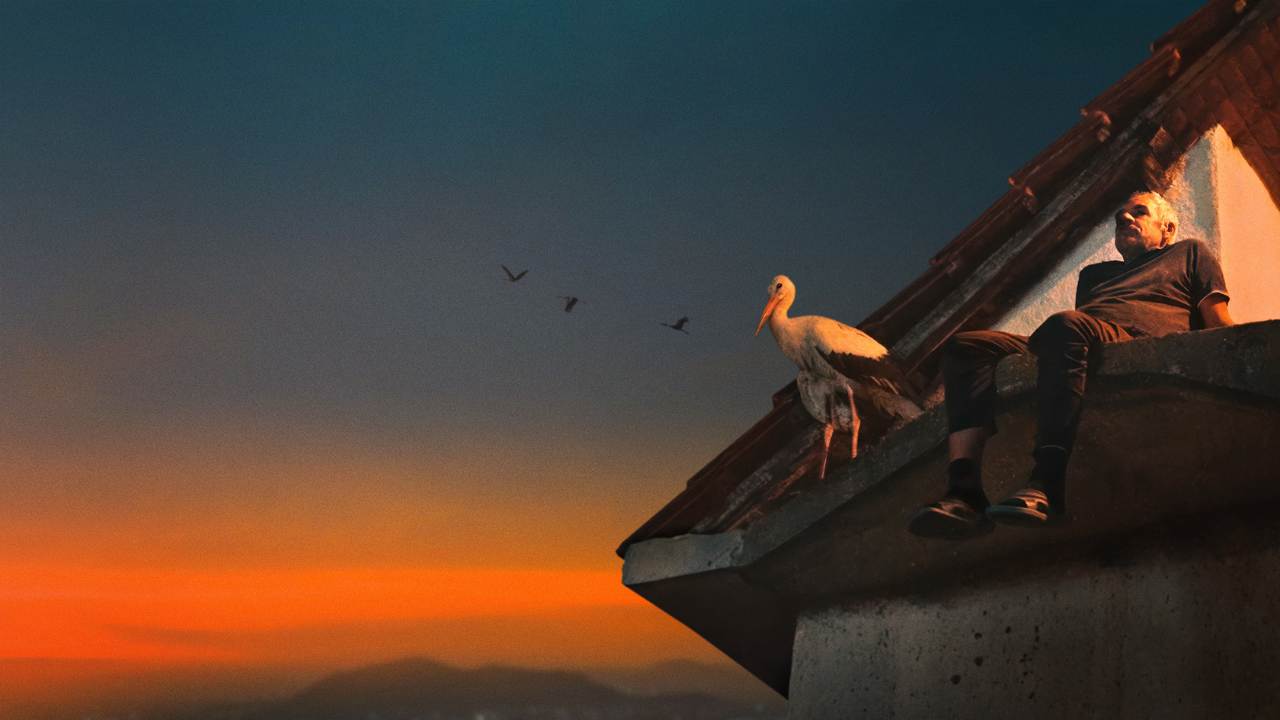
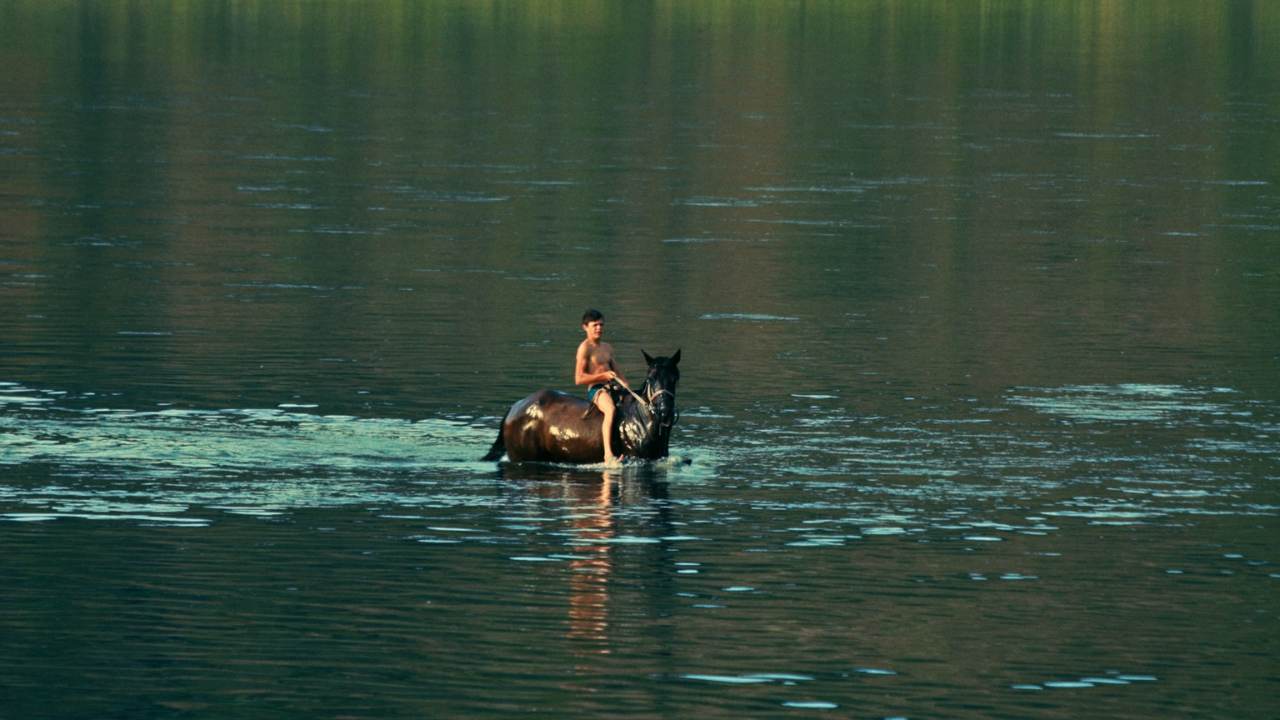

In Around Paradise, Yulia Lokshina follows a group of affluent Europeans fleeing their own anxieties – vaccines, taxation, the spectre of a third world war, the looming climate disaster – as they attempt to construct an artificial paradise in Paraguay’s El Paraíso Verde, enacting a neo-colonial fantasy of freedom. The young heroines of Eliza Capai’s The Fabulous Time Machine hold an altogether different vision of a better life – these resourceful girls are growing up in the Brazilian interior and, somewhere between play and adolescence, still firmly believe that the future may yet belong to them. Most moving of all, perhaps, is Tamara Kotevska’s The Tale of Silyan – the latest work from the director of Honeyland – which returns to Macedonia, weaving magical realism into an elegy for a vanishing landscape, exclusion, and the common fate of people and animals alike.
Films selected for the International Documentary Competition:
- The Arctic Circle of Lust, dir. Markku Heikkinen, 97’ Finland, Germany, Sweden, 2026
- The Fabulous Time Machine, dir. Eliza Capai, 71’, Brazil, 2026
- Around Paradise, dir. Yulia Lokshina, 120’ Germany 2026
- Silent Flood, dir. Dmytro Sukholytkyy-Sobchuk, 90’, Ukraine, Germany, 2025
- Redlight to Limelight, dir. Bipuljit Basu, 100’, India, Finland, Latvia, 2025
- If Pigeons Turned to Gold, dir. Pepa Lubojacki, 110’, Czech Republic, Slovakia, 2026
- Holofiction, dir. Michal Kosakowski, 102’, Germany, Austria, 2026
- Tickling the Devil, dir. Piotr Małecki, Maciej Nabrdalik, 82’, Poland, 2026
- Magic Hour, dir. Marcin Borchardt, 80’, Poland, 2026
- Tristan Forever, dir. Tobias Nölle, co-director Loran Bonnardot, 90’, Switzerland, 2026
- Synthetic Sincerity, dir. Marc Isaacs, 72’, United Kingdom, 2025
- The Tale of Silyan, dir. Tamara Kotevska, 80’, North Macedonia, USA, 2025
- The Winning Generation, dir. Marco de Stefanis, 101’, Netherlands, 2026
Insider passes for the 66th Krakow Film Festival are now on sale!
The Krakow Film Festival is on the exclusive list of film events qualifying for the Academy Awards® in short film categories (fiction, animation, documentary) and feature-length documentary, the European Film Awards in the same categories, and serves as a qualifying event for the BAFTA Awards.
The Krakow Film Festival is organised with financial support from the City of Krakow, the Polish Film Institute, the Creative Europe MEDIA Programme, and the Ministry of Culture and National Heritage from the Culture Promotion Fund – a state purpose fund. The Polish Filmmakers Association serves as co-organiser.
The 66th Krakow Film Festival will be held in cinemas from 31 May to 7 June 2027 and online on KFF VOD from 5 June to 19 June 2026.