The National Competition includes a total of 41 films that are going to compete for the Golden Hobby-Horse, affirming the strength and diversity of contemporary Polish cinema – from feature-length and short documentaries to short fiction and animation. The programme brings together established names and 15 promising debutants, titles already recognised at international festivals and those which, we can now confirm, are first going to travel to Cannes. Nineteen of the Polish films are directed by women. What lies ahead is a broad spectrum of films that remain bold in their form, alert to the world around it, and unafraid of risk – films that confront difficult subjects, examine familial fractures and traumas, yet are equally capable of extracting profound meaning from seemingly trivial stories. It is here that the most compelling happenings of the past year and the most distinctive voices make themselves heard.
Short and Feature-Length Documentaries
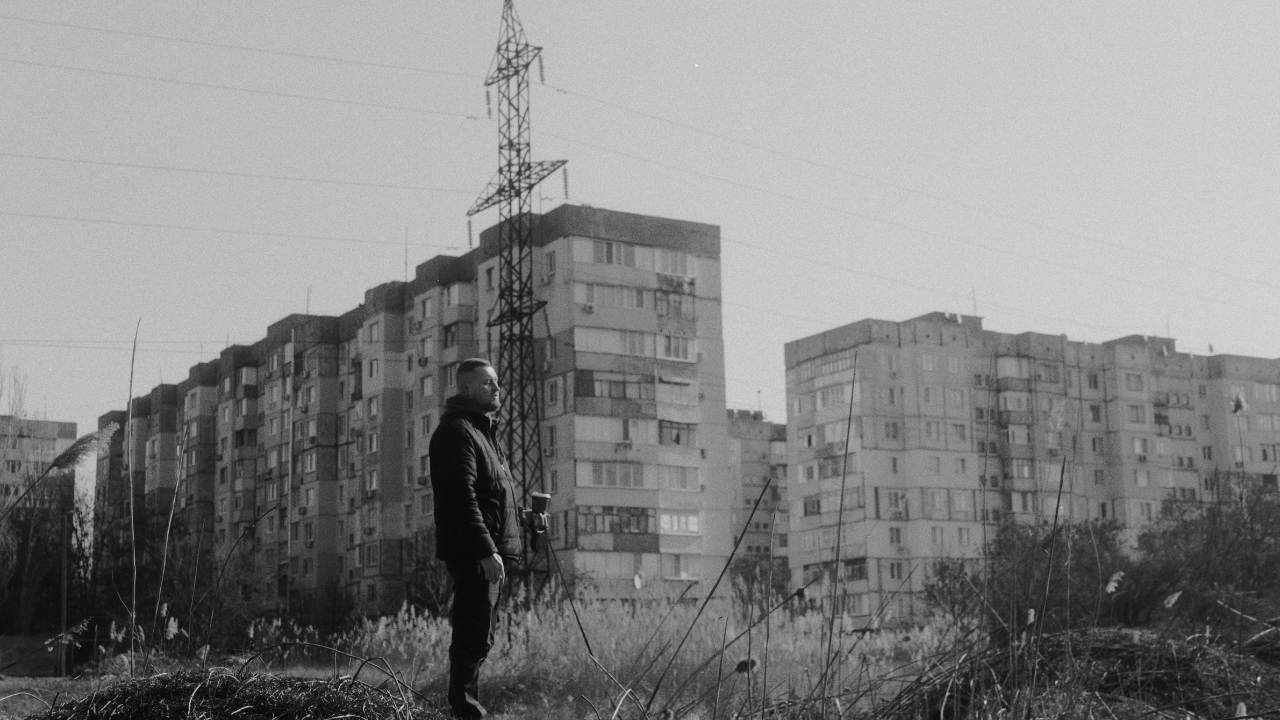
Eight outstanding Polish feature-length productions have been selected for the National Competition. Among them is Marcin Borchardt’s Magic Hour – an archival-footage portrait of Piotr Sobociński, one of Poland’s most distinguished cinematographers – alongside Tickling the Devil by Piotr Małecki and Maciek Nabrdalik. Its directors introduce us to Christopher Morris, an American war photographer confronting both personal trauma and the anxieties of contemporary America. The armed conflict unfolding just beyond Poland’s border is addressed in Mateusz Mularski’s deeply affecting Notes From a Besieged City, which transports audiences to Kherson, where war has become a fact of daily life.
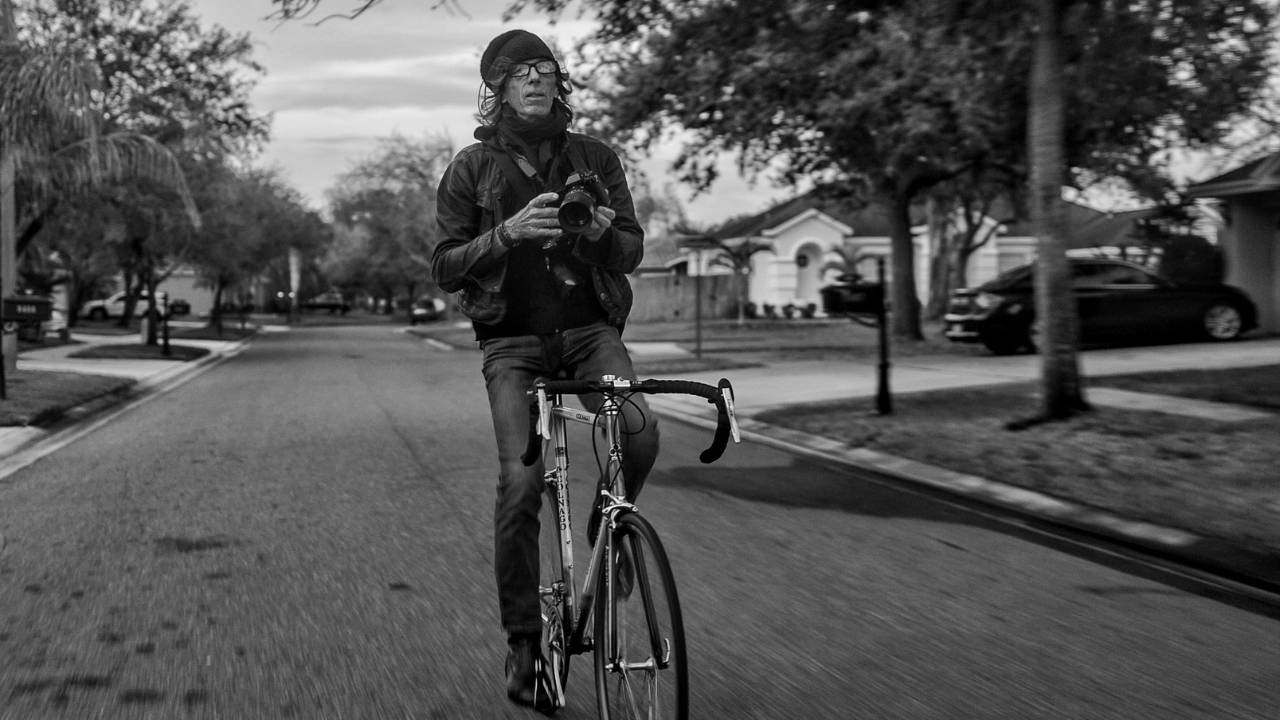
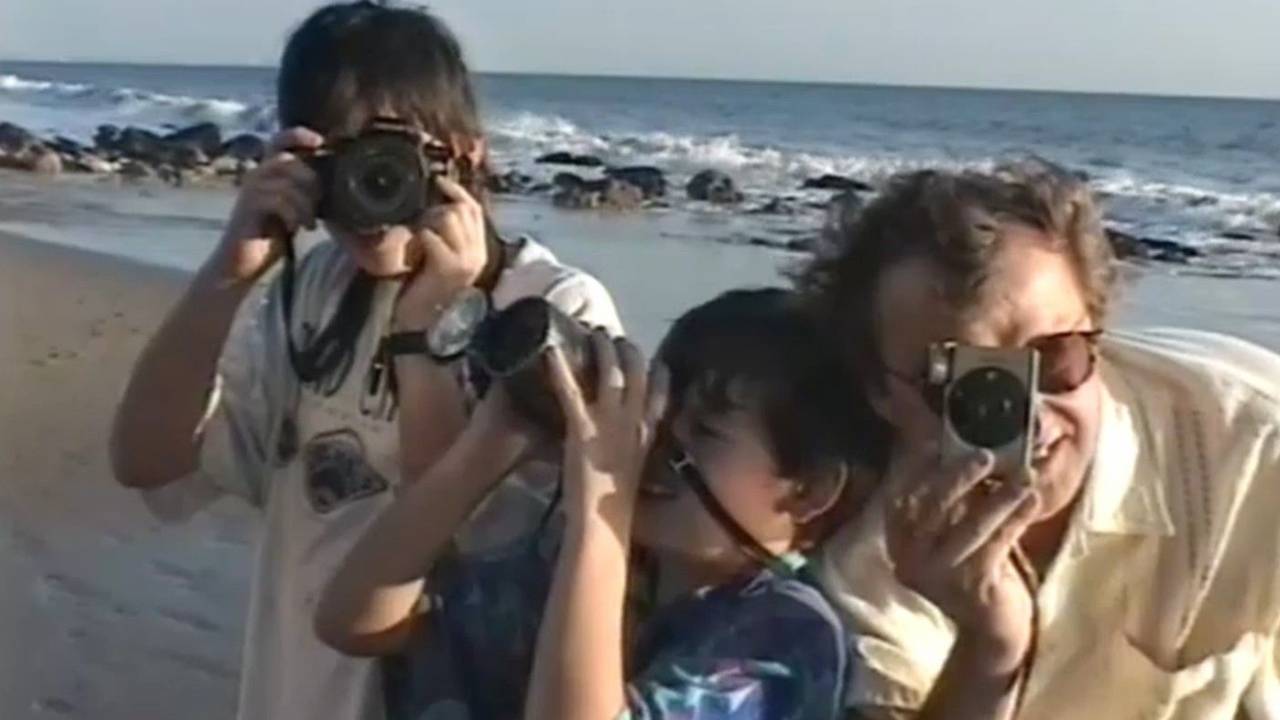
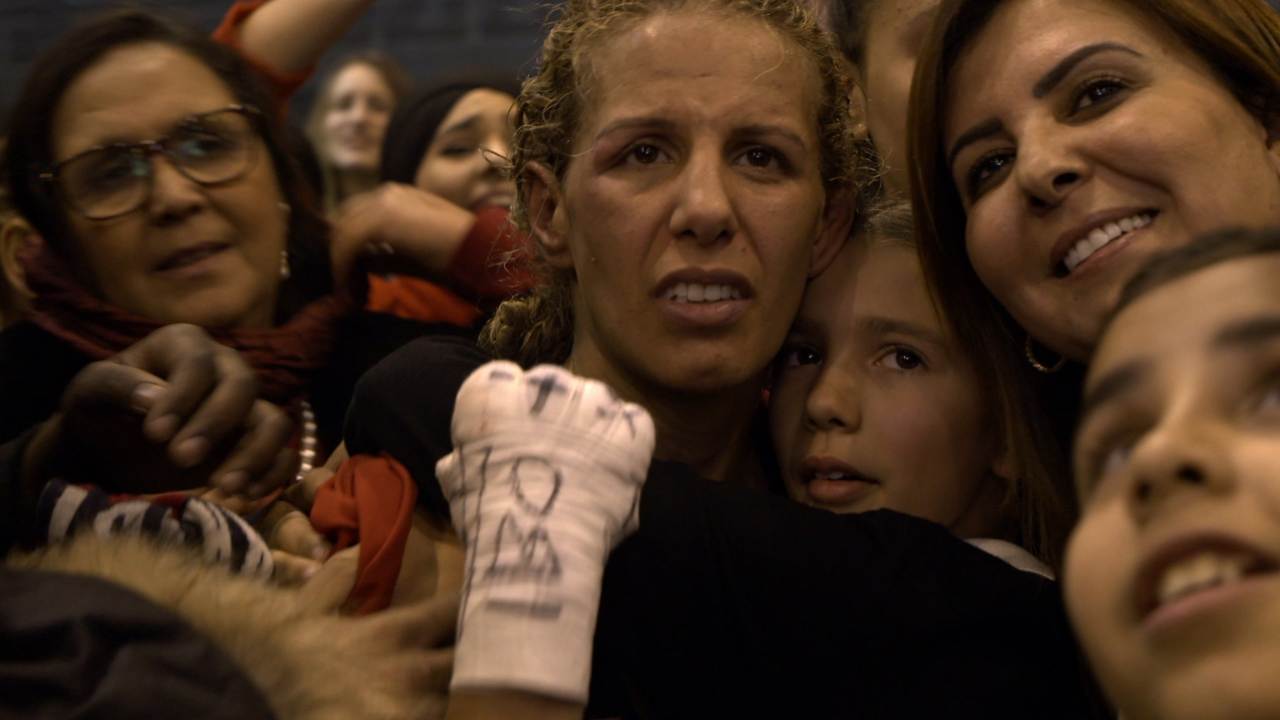
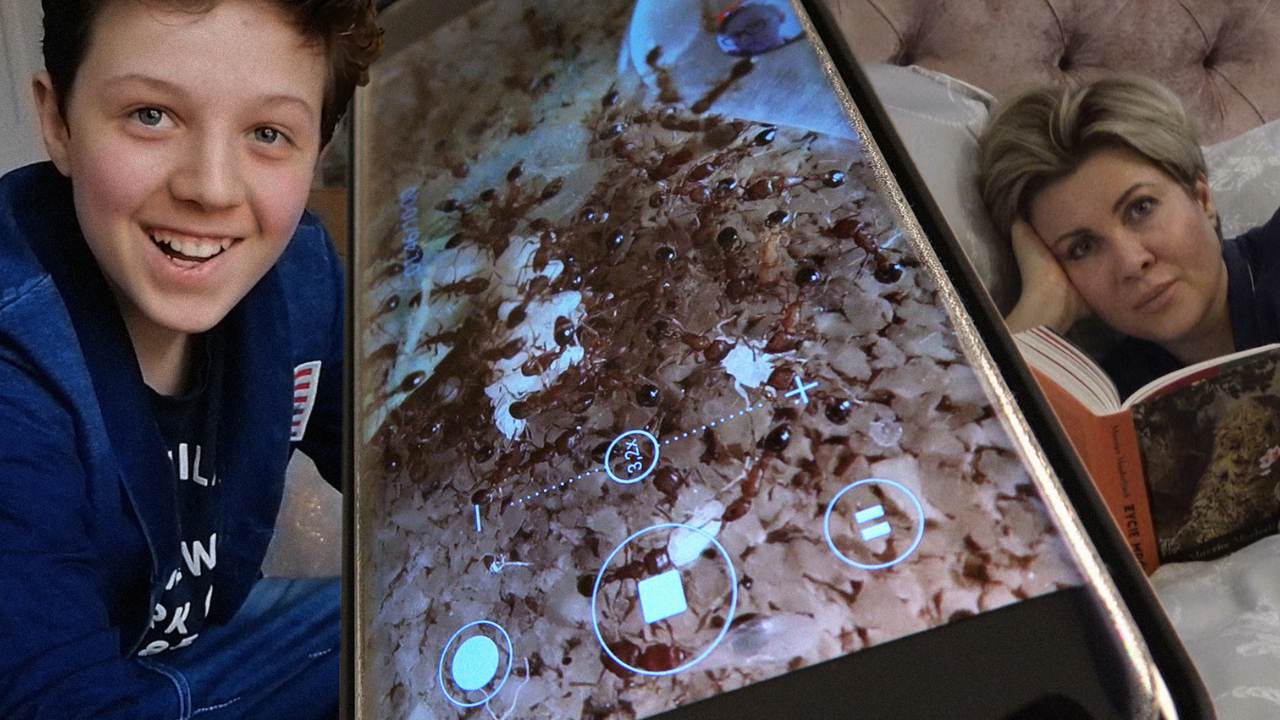
The steep price of passion resonates in the aforementioned stories of Morris and Sobociński, but also in a more intimate, domestic register. It is paid by the subjects of Katarzyna Kultys’s remarkable House of Ants, in which the director’s son’s obsession with keeping a terrarium threatens to upend the family order, and by the protagonist of Katarzyna Wiśniowska’s Guard Up! – the daughter of a Moroccan boxing legend, torn between her family’s expectations and the fight for her own dreams.
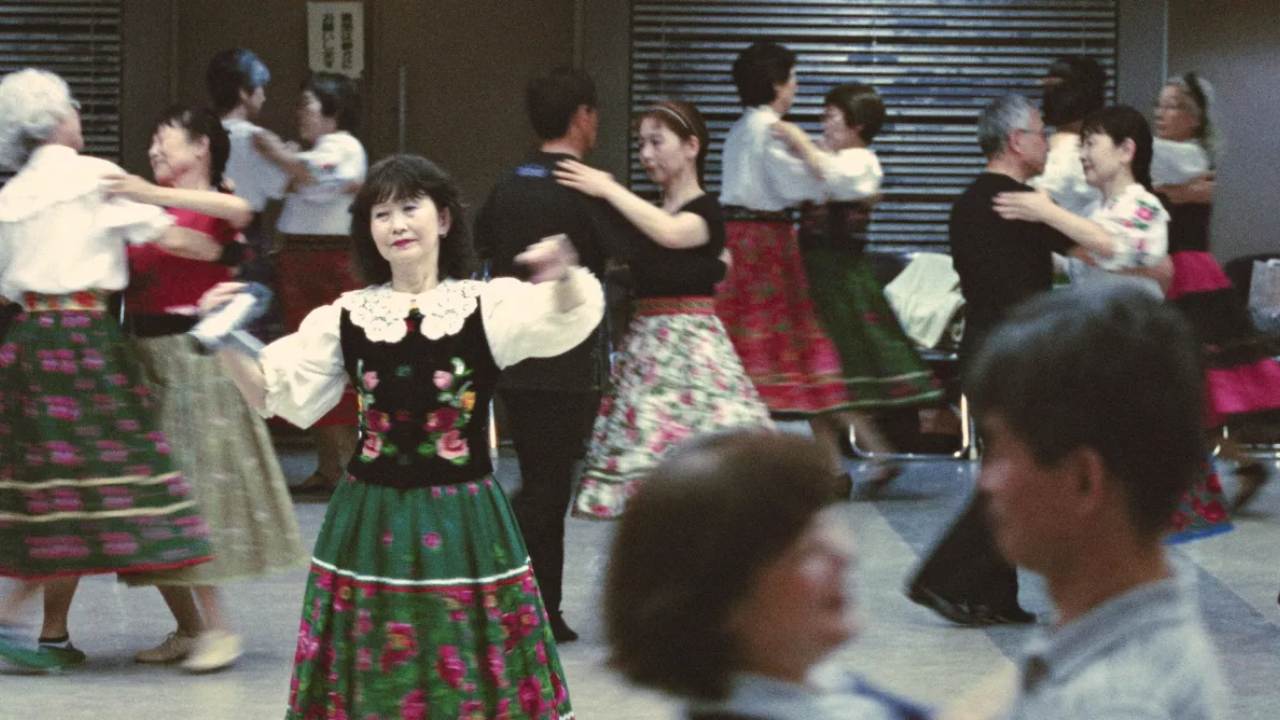
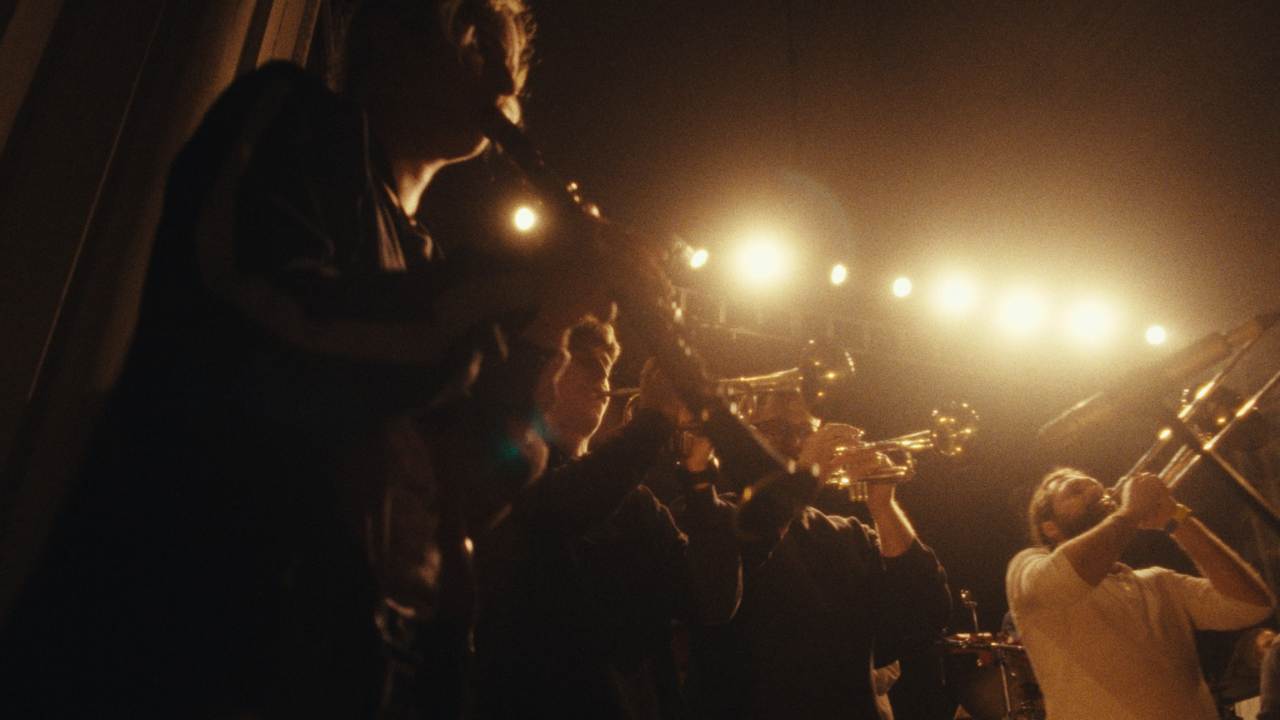
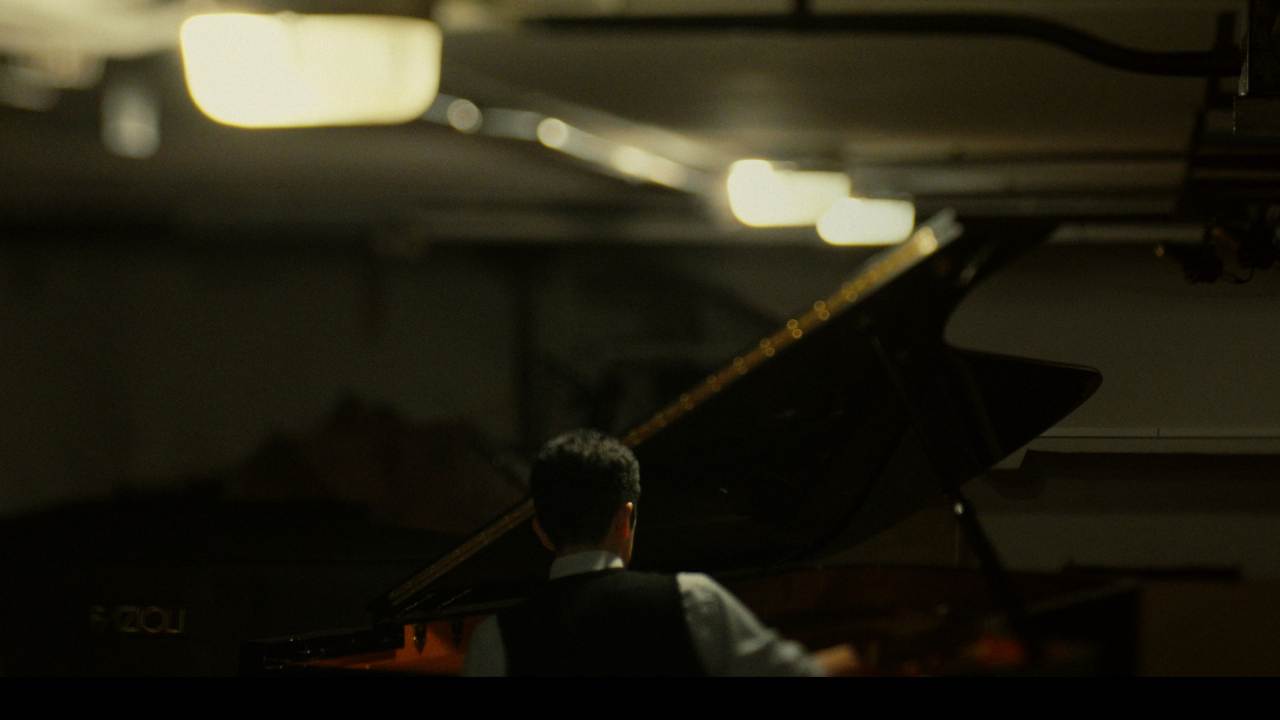
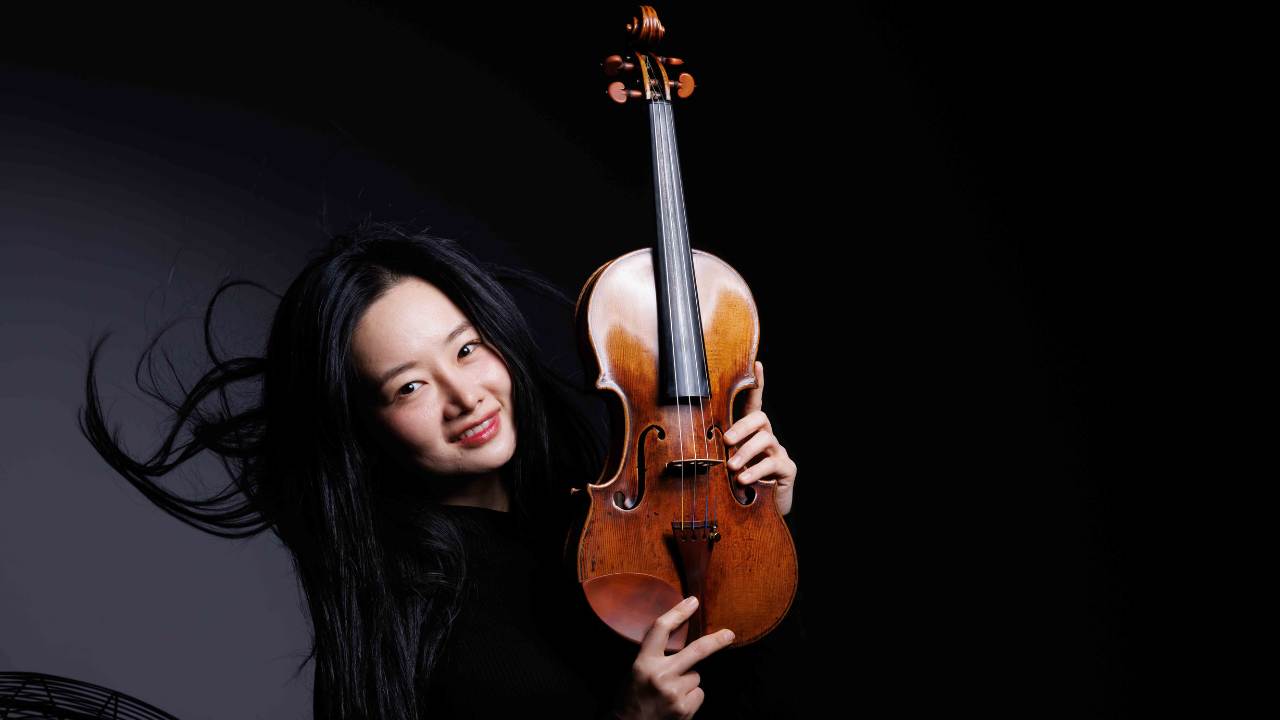
Passion, labour – including the kind that goes unseen – and the search for meaning are running through this year’s music documentaries. The Orchestra by Kuba Kossak is a moving portrait of the Klezmer Orchestra of the Sejny Theatre, in which music becomes a source of identity and community. Bacewicz x Bomsori, directed by Jakub Piątek, traces the encounter between South Korean violinist Bomsori Kim and the work of Grażyna Bacewicz, revealing a profound artistic bond with the outstanding Polish composer. In turn, Paweł Chorzępa’s The Tuners draws from the shadows those masters whose invisible craft contributes to the triumphs of professional pianists at the Chopin Competition, while in Dagmara Furgał’s Japanese Kujawiak, we are transported to the surprising world of Polish folk dance and its enthusiasts in the Land of the Rising Sun.
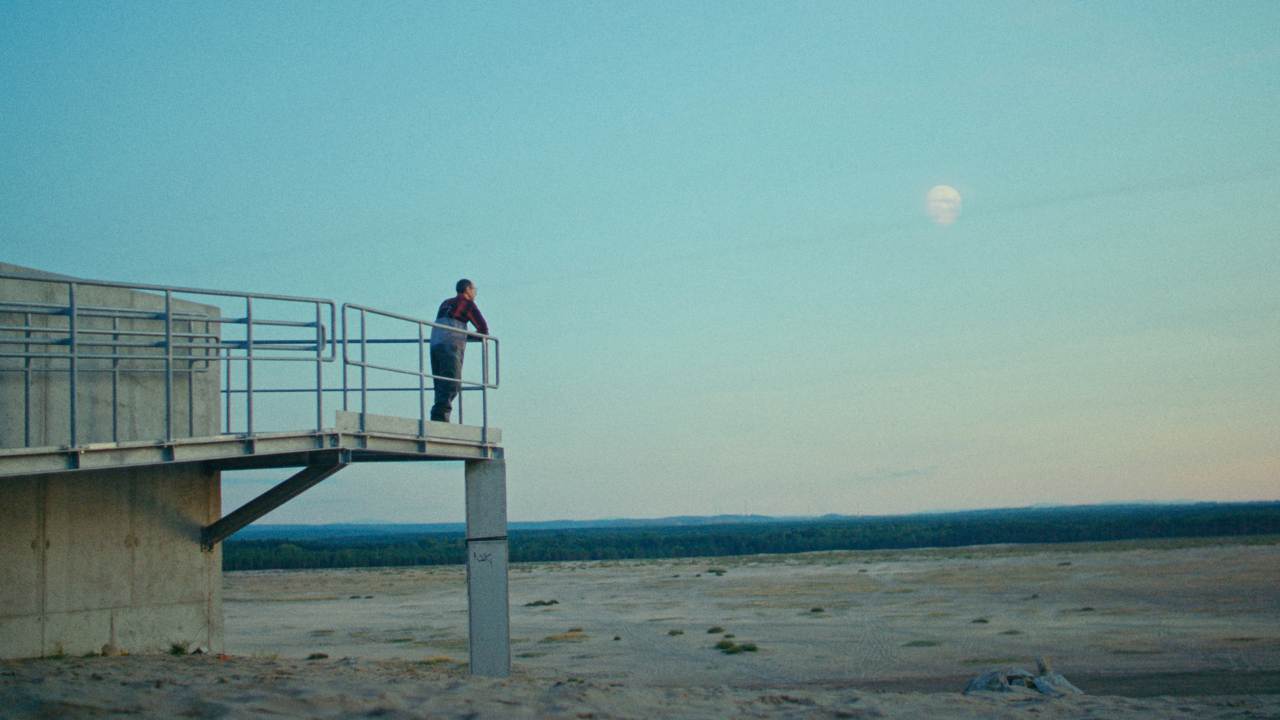
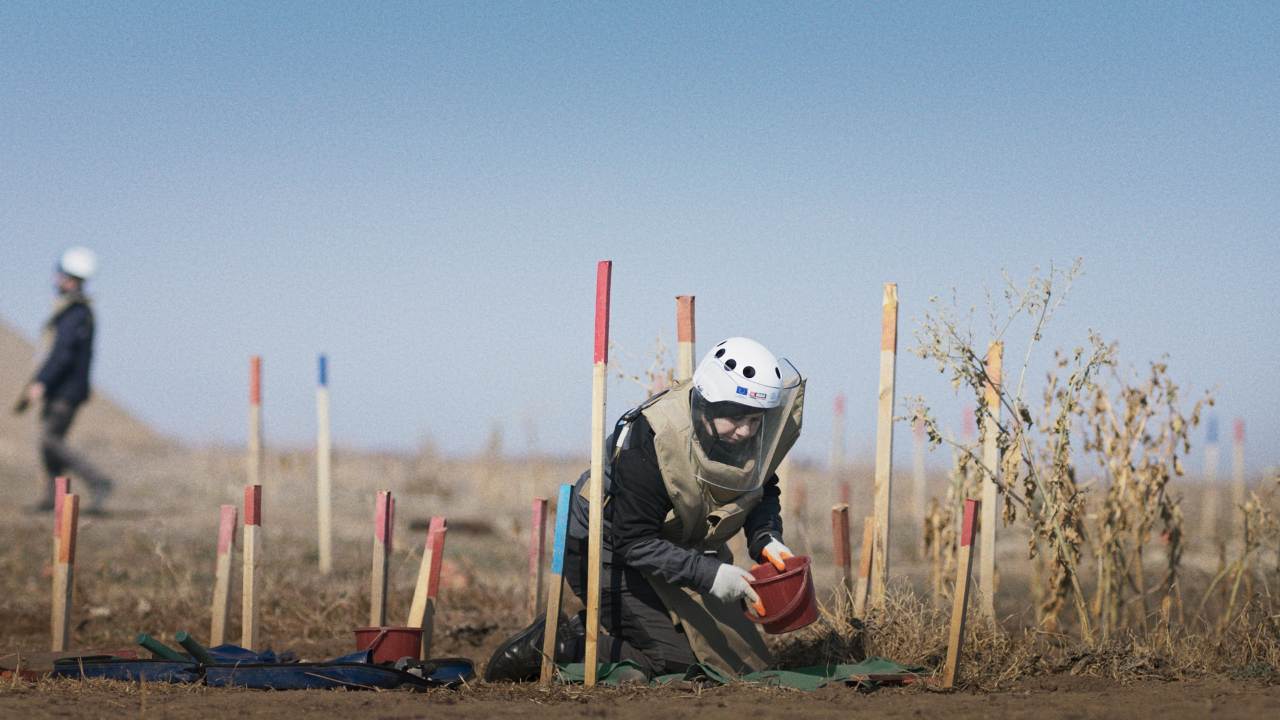
Responsibility and pressure are always present in the lives of the protagonists of Fariz Ahmadov’s Steps in Silence – Azerbaijani women deminers for whom a single false move may mean the difference between life and death. Undervalued yet fiercely determined work is also the subject of Agnieszka Kokowska’s The Last Wild River, a poetic meditation on ecology and the struggle to save an endangered species of crayfish. Julia Pełka’s Woodeaters channels that same energy in the opposite direction – towards the battle against wood-boring insects threatening a Lemko Orthodox church, turning it into a documentary whose intensity rivals that of a thriller. How To Conquer the World by Tomasz Wolski guides us through familiar yet hauntingly vacant spaces, assembling from the traces of everyday existence a bitter vision of a world after humanity’s disappearance.
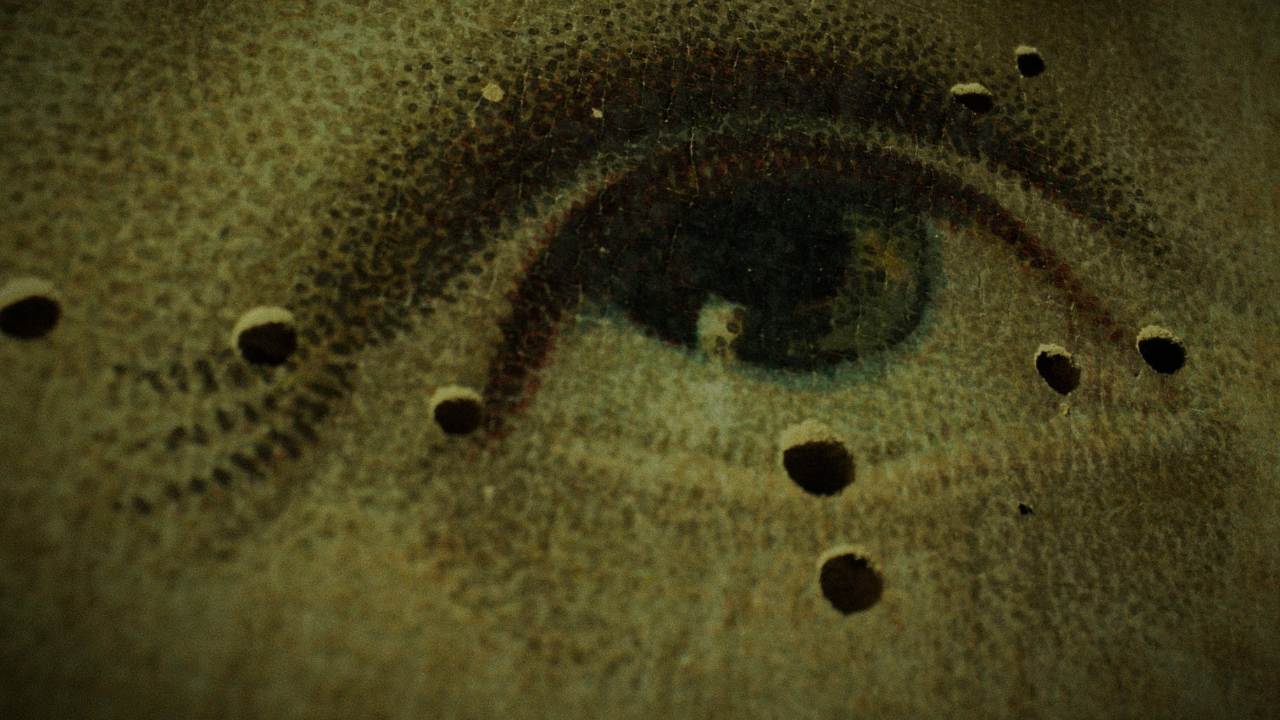
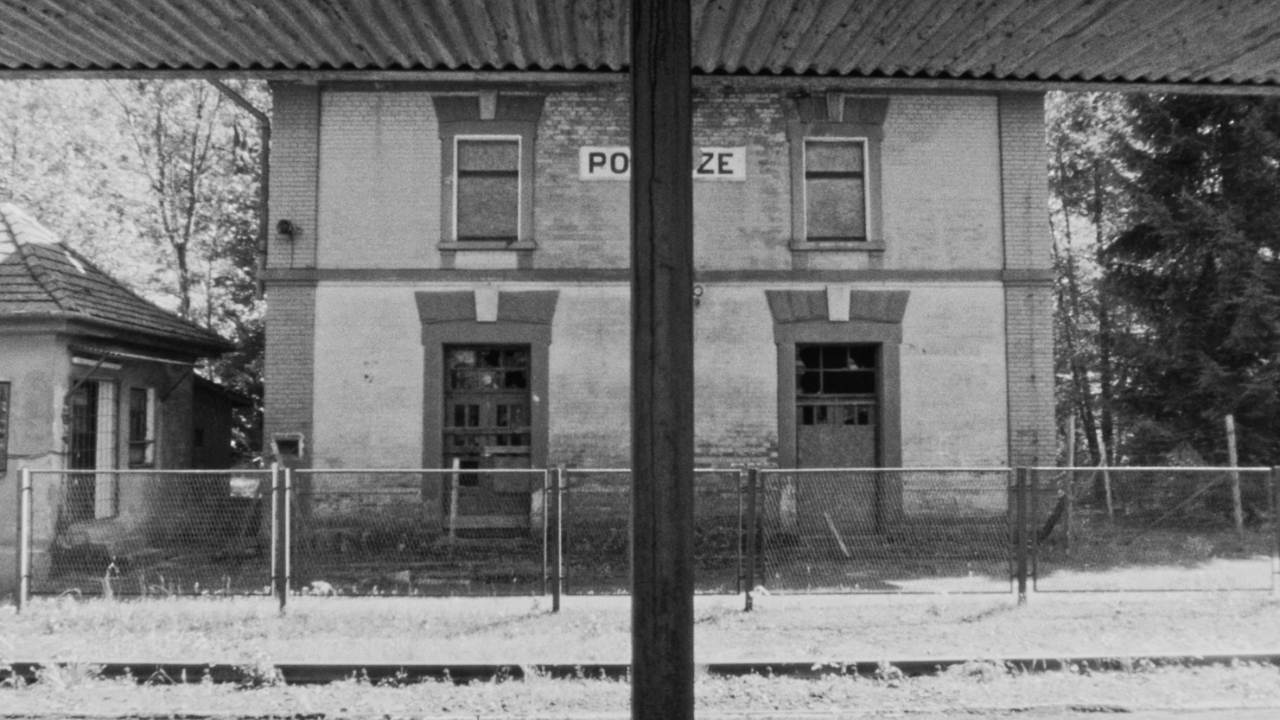
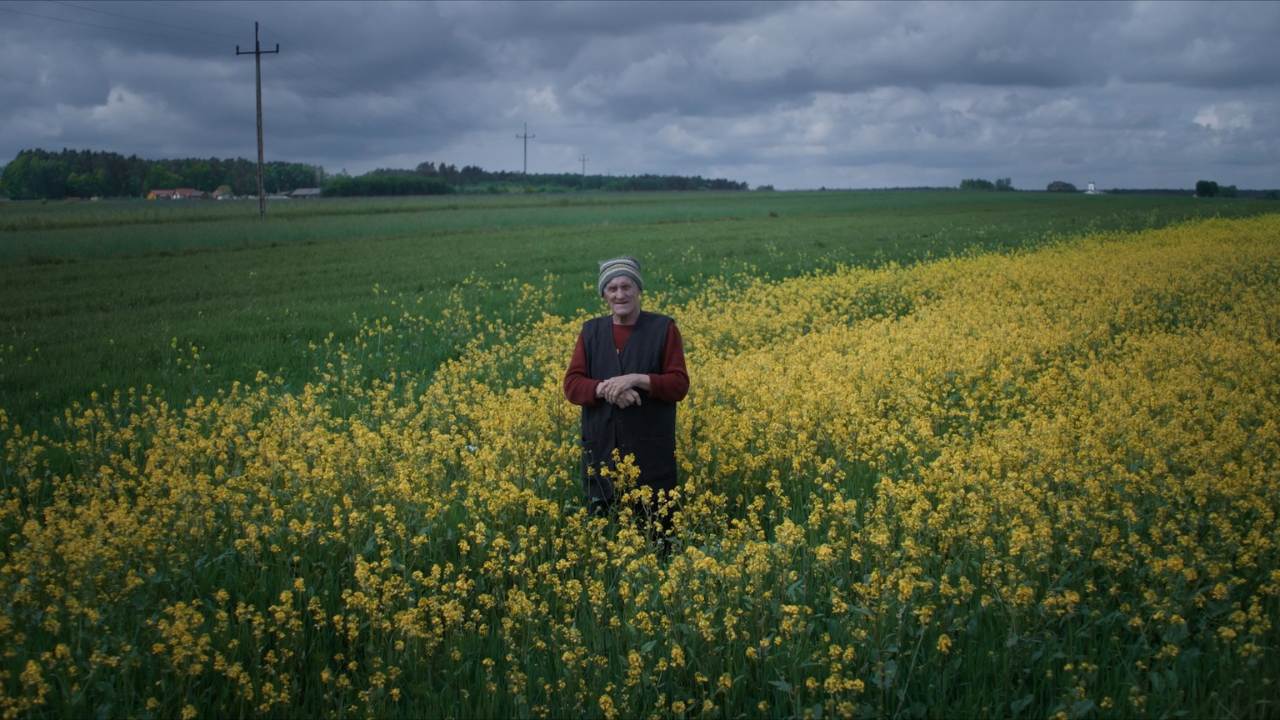
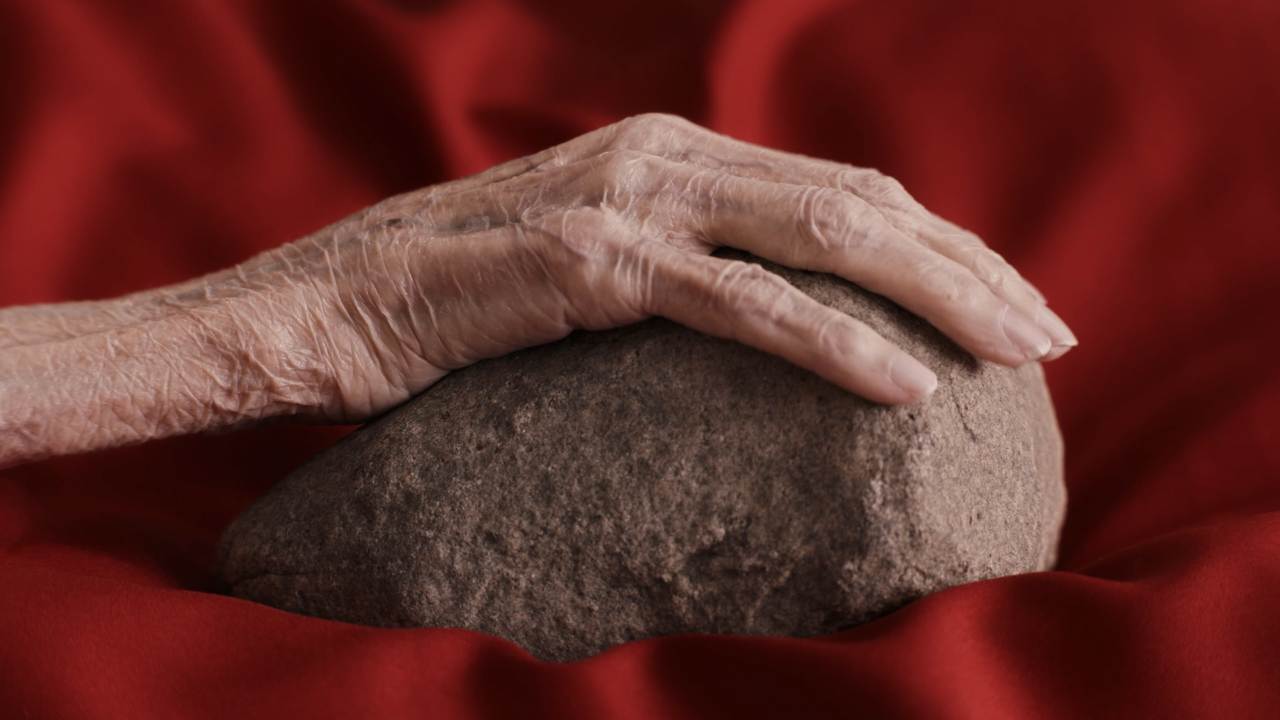
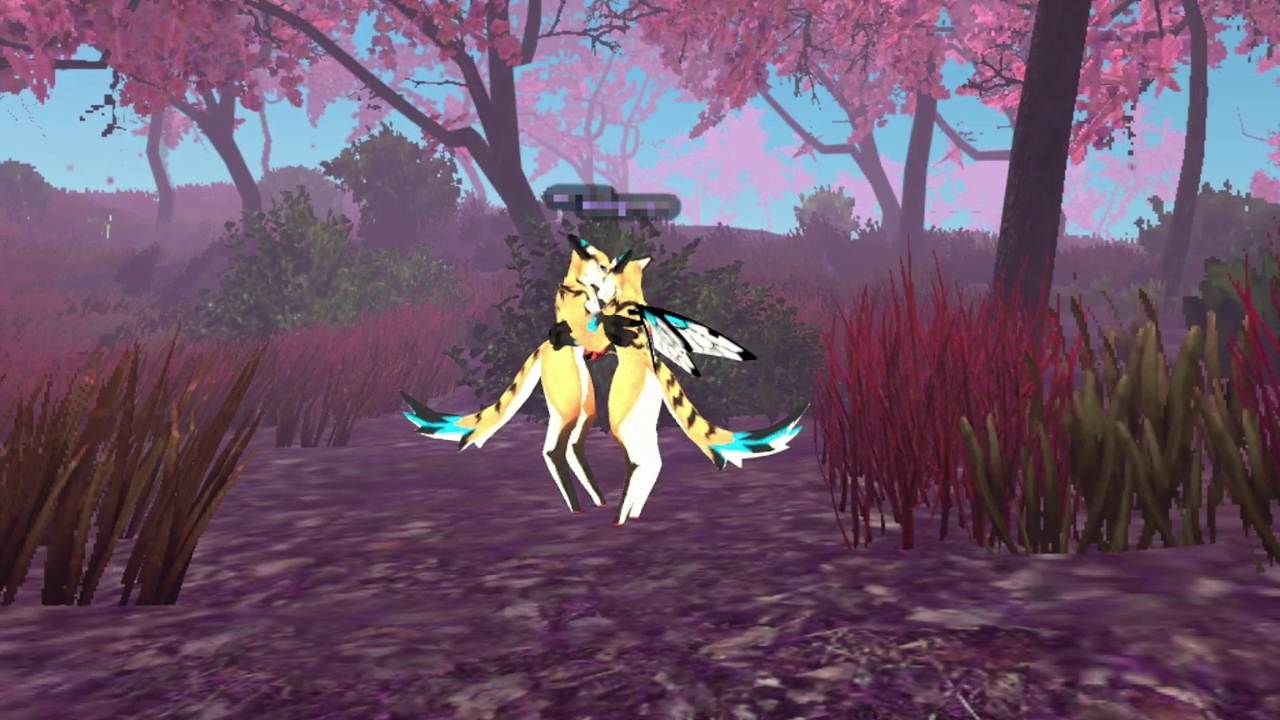
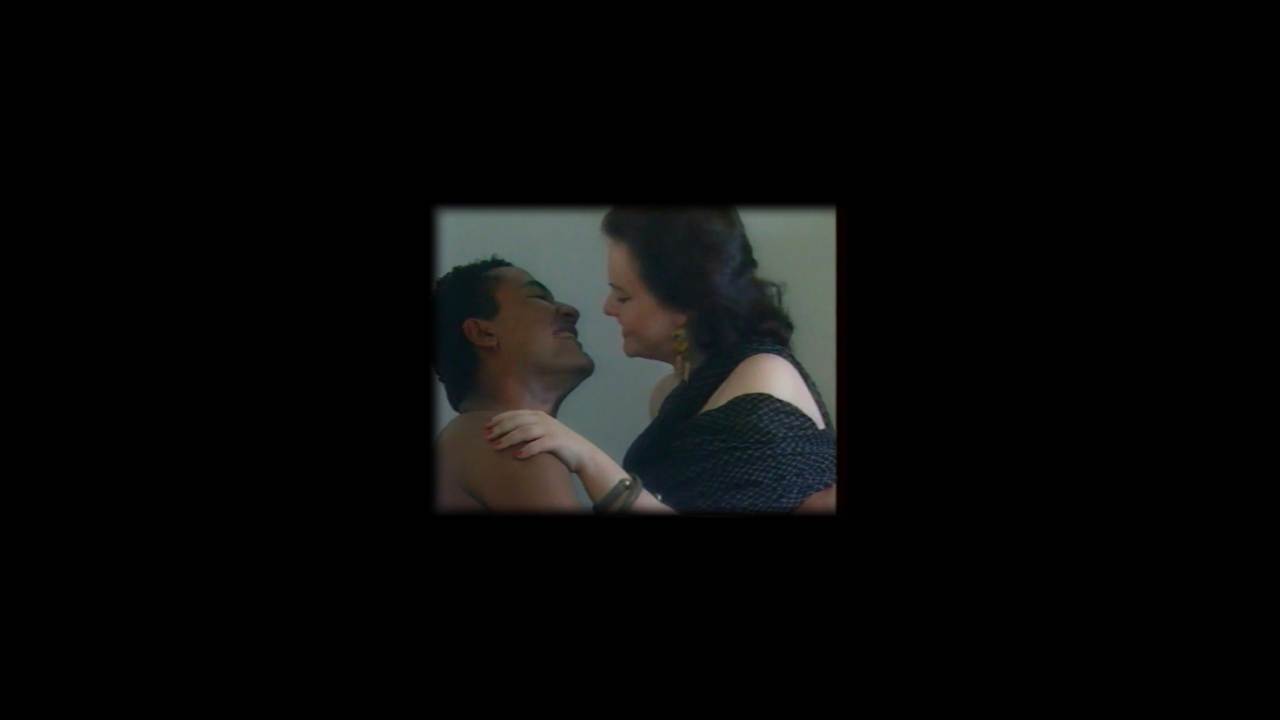
A seed of disquiet is also sown by stories from the intersection of reality, memory, and imagination. Katarzyna Kosajda’s Frights from the Mills is a mesmerising expedition, styled after folk horror, into the realm of local beliefs, spirits, and apparitions, whilst Zuza Banasińska’s Kontrewers goes beyond the confines of a documentary, interweaving a local legend with an intimate portrait of a 102-year-old woman. Suspended between the physical and the digital is Monika Masłoń’s Four Percent – a penetrating examination of a close relationship that takes place in virtual reality. Klaudia Szott’s Mix steers us towards questions of roots and identity, as the personal voice of its protagonist – the daughter of a Polish mother and a Nigerian father – intertwines with archival imagery to for a story about existing between two worlds. The audience is also going to go on an inward journey in Monika Kotecka’s Hidden – an intimate, experimental film that lays bare the layered experience of female fear.
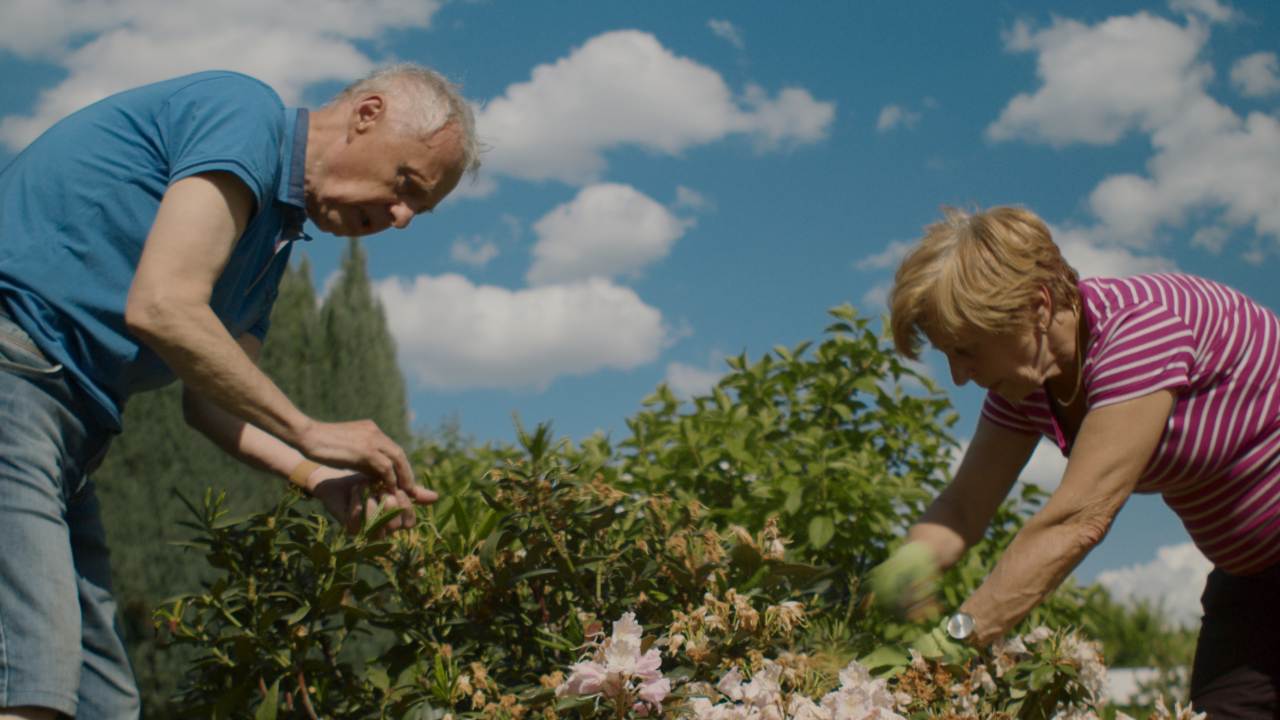
A somewhat lighter tone, underpinned with nostalgia, is to be found in Filip Szela’s Little Green Plots. Selected for the industry programme at the Cannes Film Festival, the film takes us to the allotment gardens, where the director observes the rituals of their tenders with warmth and affection, composing a quietly eloquent meditation on the passage of time.
Short fiction films:
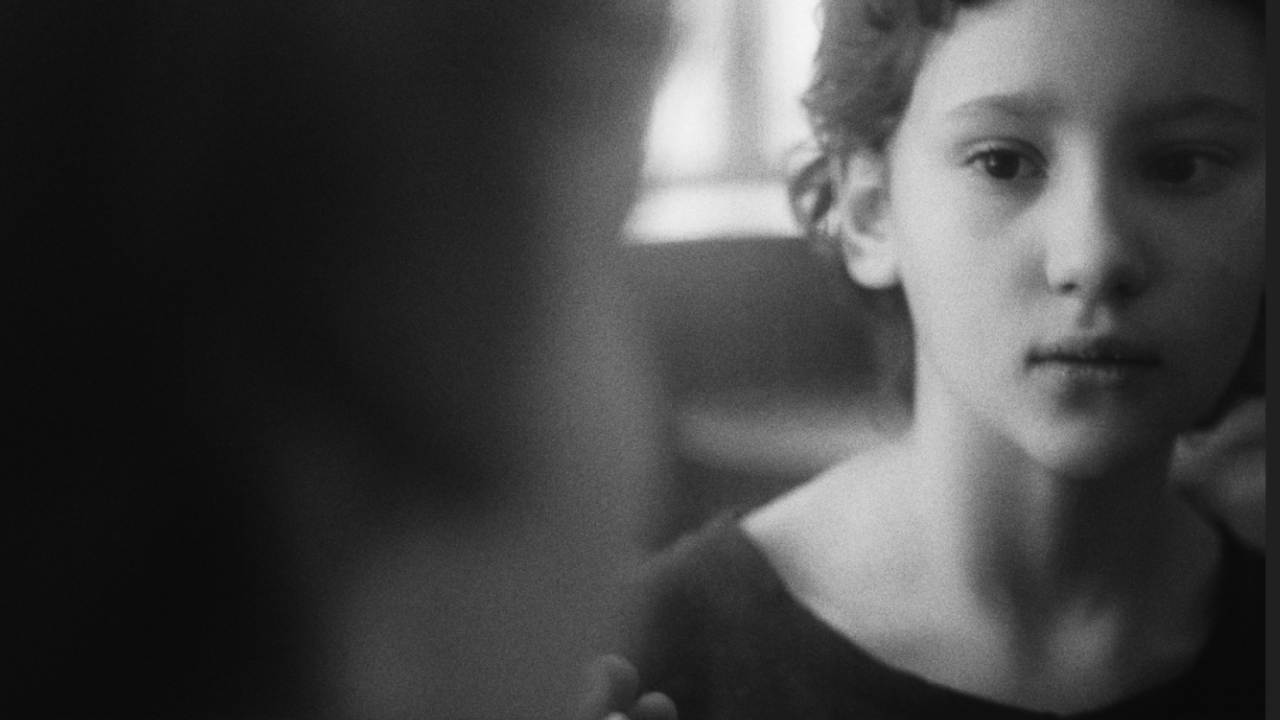
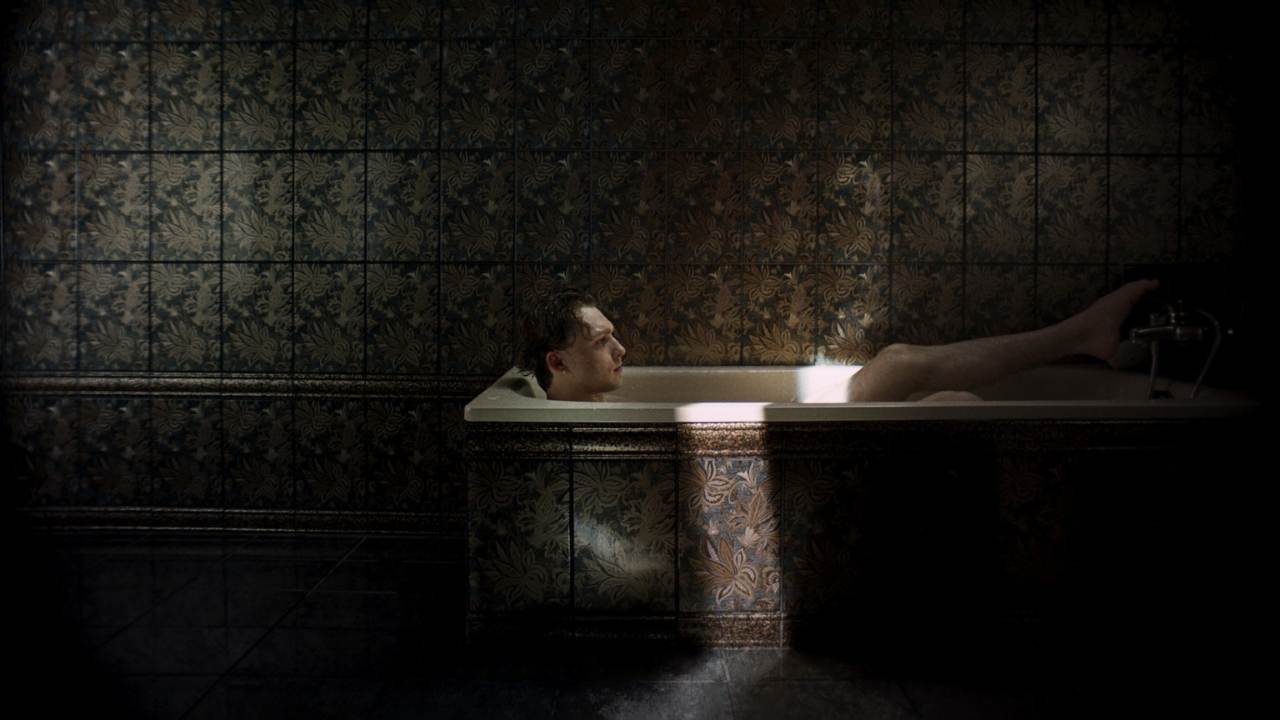
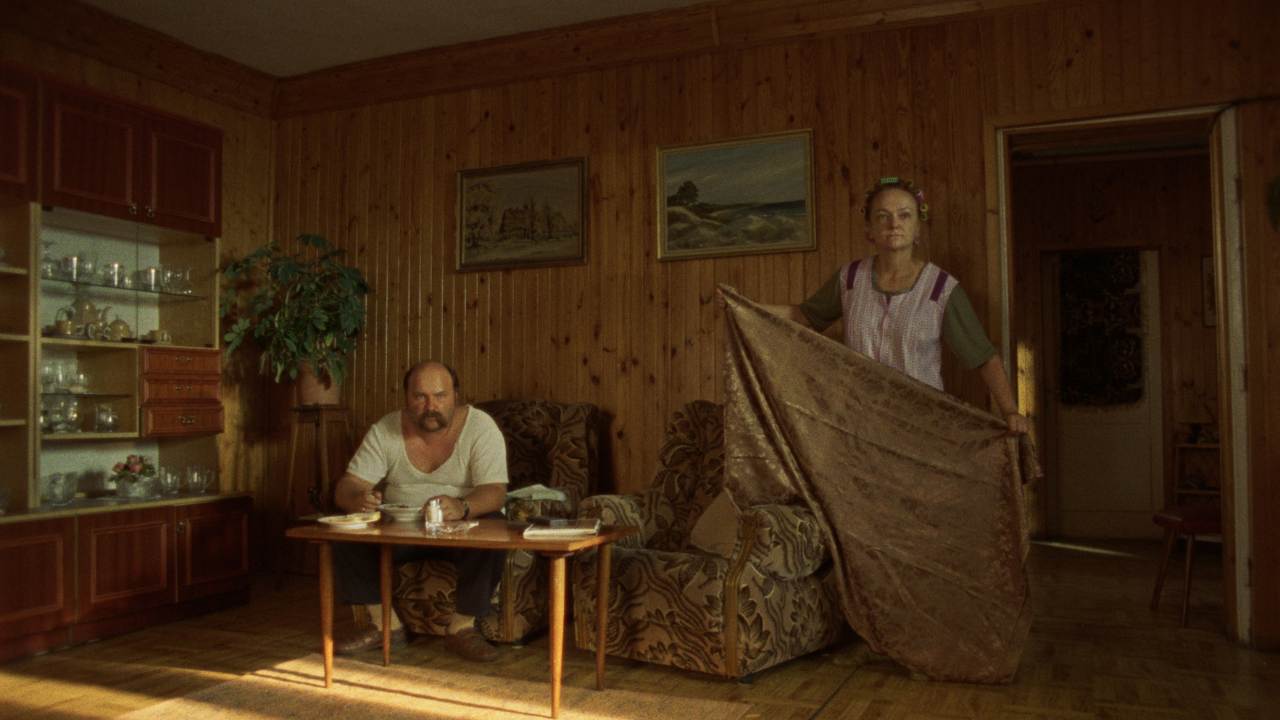
The festival is just as rich with outstanding short fiction films – bold, diverse, and full of imagination. In Oskar Sadowski’s exquisitely sensuous Song of the Night – an intimate piece about love, solitude, and courage at near the end of life – we are let into the secret of a character played by Olgierd Łukaszewicz. In Weird To Be Human, Jan Grabowski transports viewers to the year 2194, where transfers between the digital and physical worlds have become an everyday occurrence. A more down-to-earth yet no less complex dimension of reality is revealed in the formally intriguing and bittersweet They Were All Named Anzhelika by Aleksandra ‘Sasha’ Kutsen – a portrait of a young woman struggling to find her own voice amid the expectations of others. Meanwhile, Michał Toczek’s wonderfully funny Spiritus Sanctus – which is first going to compete for a prize at Cannes – transcends the confines of realism, turning an attempt to procure a bottle of vodka during a papal pilgrimage into a journey through the absurdities of the late 1990s.
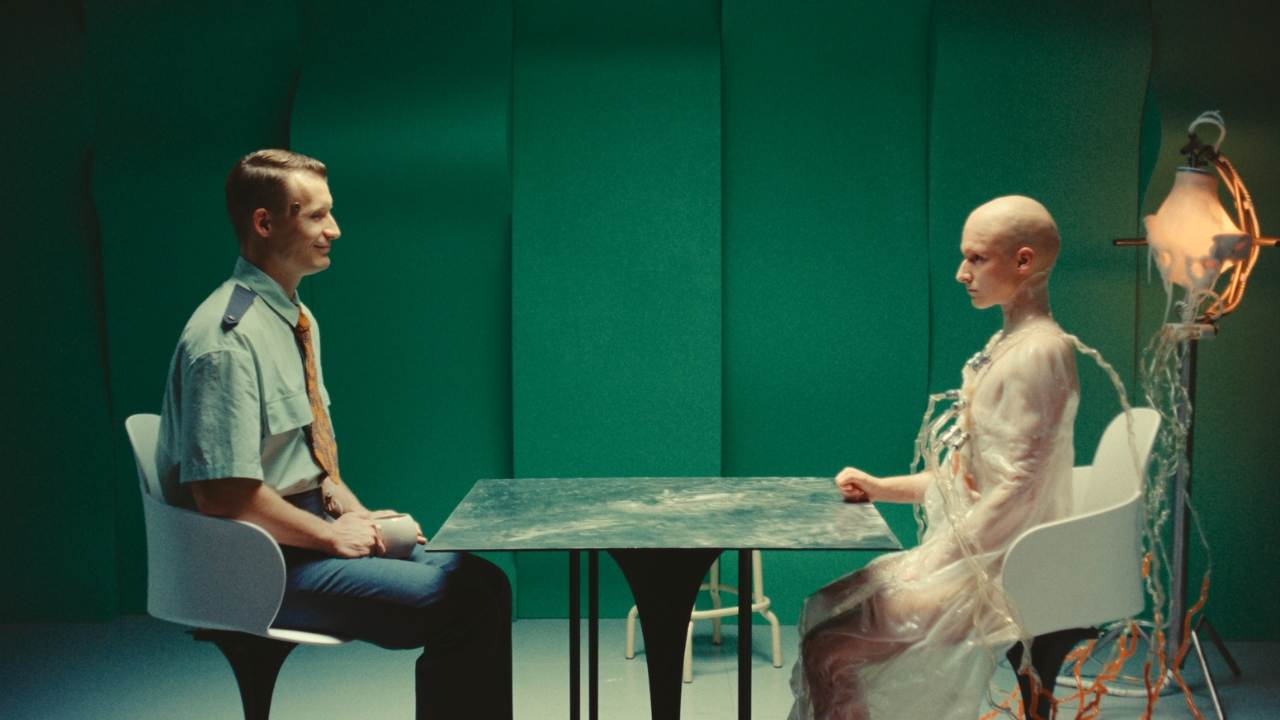
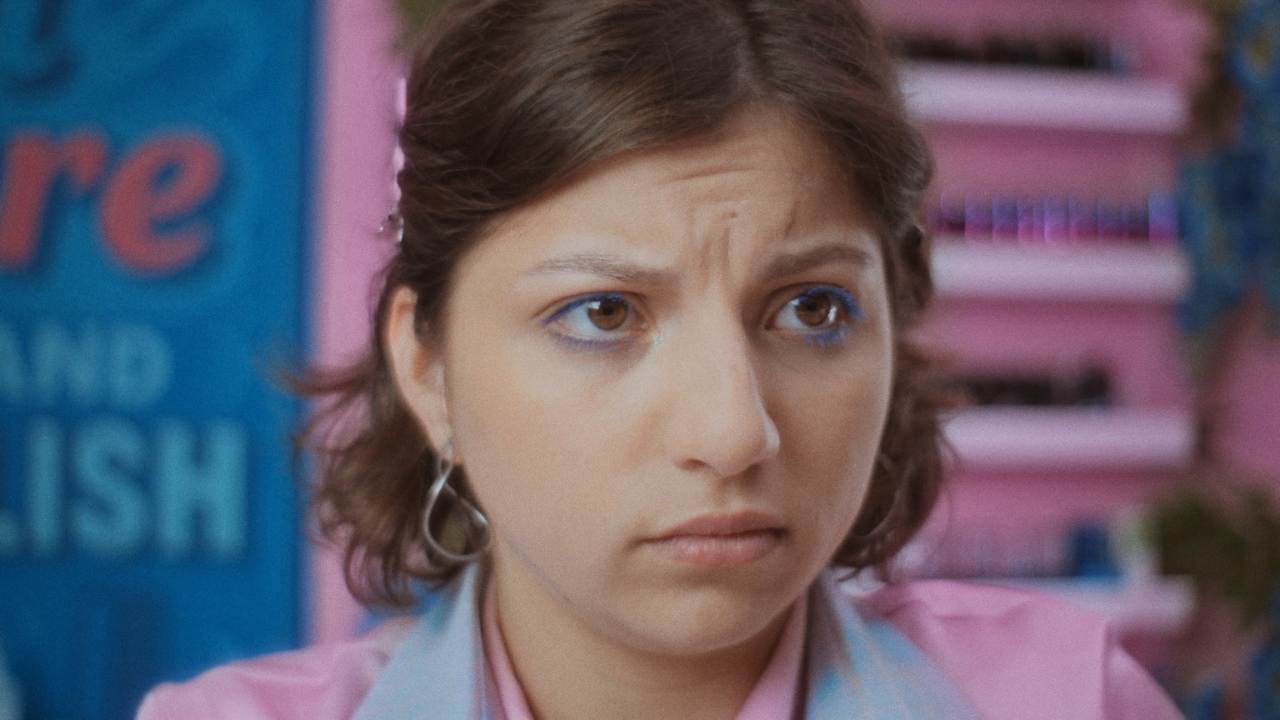
Contemporary tensions become apparent in Patrycja Polkowska’s CASE No., where corporate procedures collide brutally with the fear of redundancy and the weight of personal responsibility. Equally powerful, and simultaneously more ambiguous, is Nadim Suleiman’s A Short Film about War, set on the production of a World War II film which, for a young Palestinian refugee, becomes a site where memory and trauma converge, blurring the boundaries between fiction and reality.
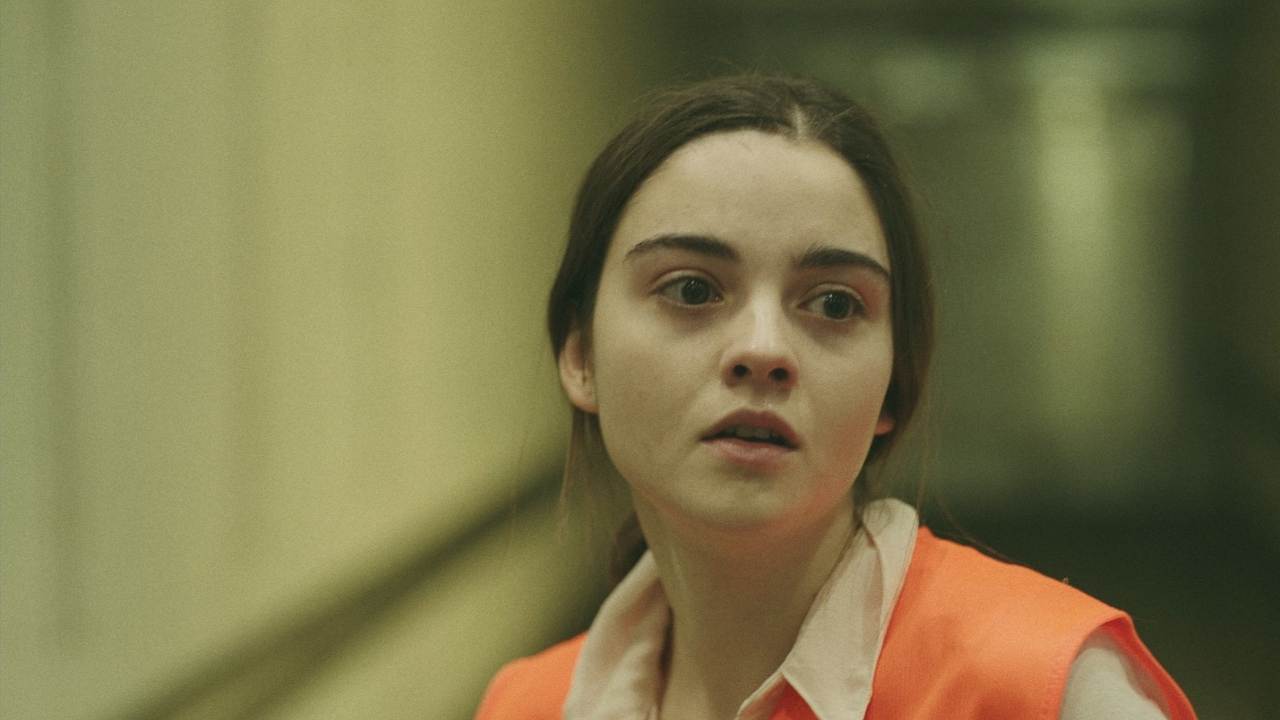
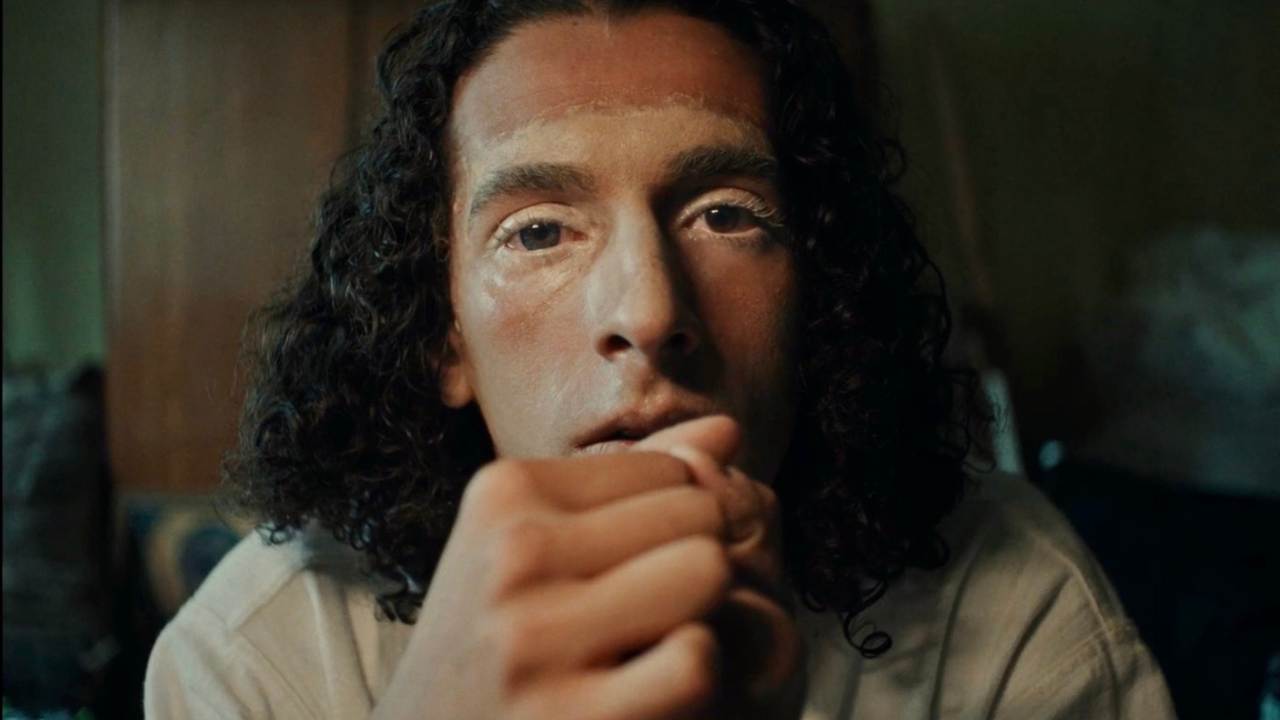
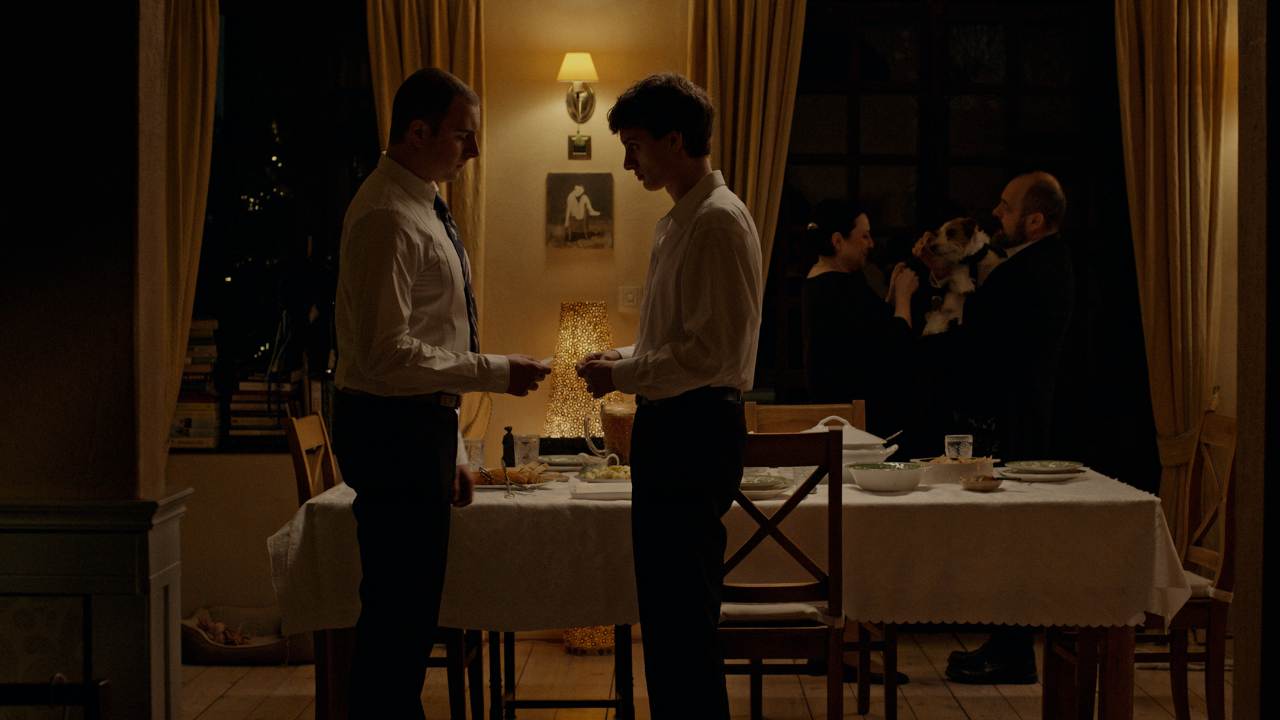
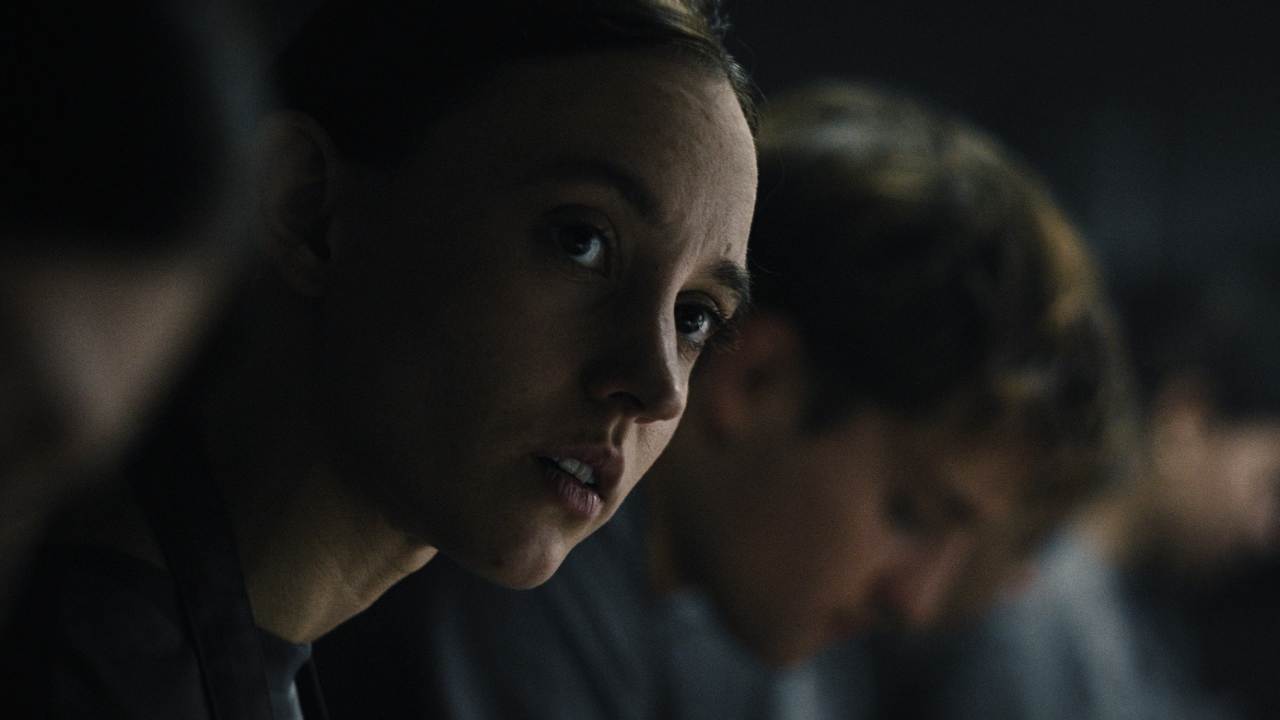
As in the documentary programme, the short fiction selection sees the return of familial entanglements, unspoken truths, and attempts to rebuild fractured bonds. The Last Family Tape by Jakub Jakubik balances between documentary and fiction, transforming a gathering of actor Arkadiusz Jakubik’s closest relatives into a narrative of wounds and forgiveness that can only be articulated in the face of approaching disaster. In Filip Wieczorek’s Half-Baked, a father and daughter both conceal their individual failures behind a façade of appearances until the illusion collapses and clears the way for a genuine heart-to-heart. The spectre of Jerzy Kawalerowicz’s Night Train hovers over Karol Ulman’s Ghost – an oneiric journey shared by two strangers in the same train compartment, who are mentally travelling in opposite directions. And Karolina Fronik’s My Dear Bag turns a seemingly ordinary father-daughter weekend into a painful story of growing up and a relationship that will never be quite the same again.
Short animated films
The animated films selected for the competition are nothing but miniature works of art. They dazzle with bold visuals, stir the emotions, and leave audiences with images that linger long after the credits start rolling. Axles by Jakub Krzyszpin – selected for the La Cinef section at Cannes – takes a thick atmosphere and a seemingly trivial incident on a train only to then turn it into a dark existential drama about losing control. Maria Dakszewicz’s Summer of Smooth Asphalt hits similarly unsettling notes. In it a malfunction at a travelling funfair exposes the fractures within a community. Psychological tension and the distortion of reality resurface in Jakub Baniak’s The Nest, where the protagonist’s routine is disrupted by the unexpected arrival of a winged visitor. The established order likewise crumbles in Mateusz Jarmulski’s formally interesting Fanatic – as a knight traverses a labyrinth, he receives a painful lesson in the illusion of victory.
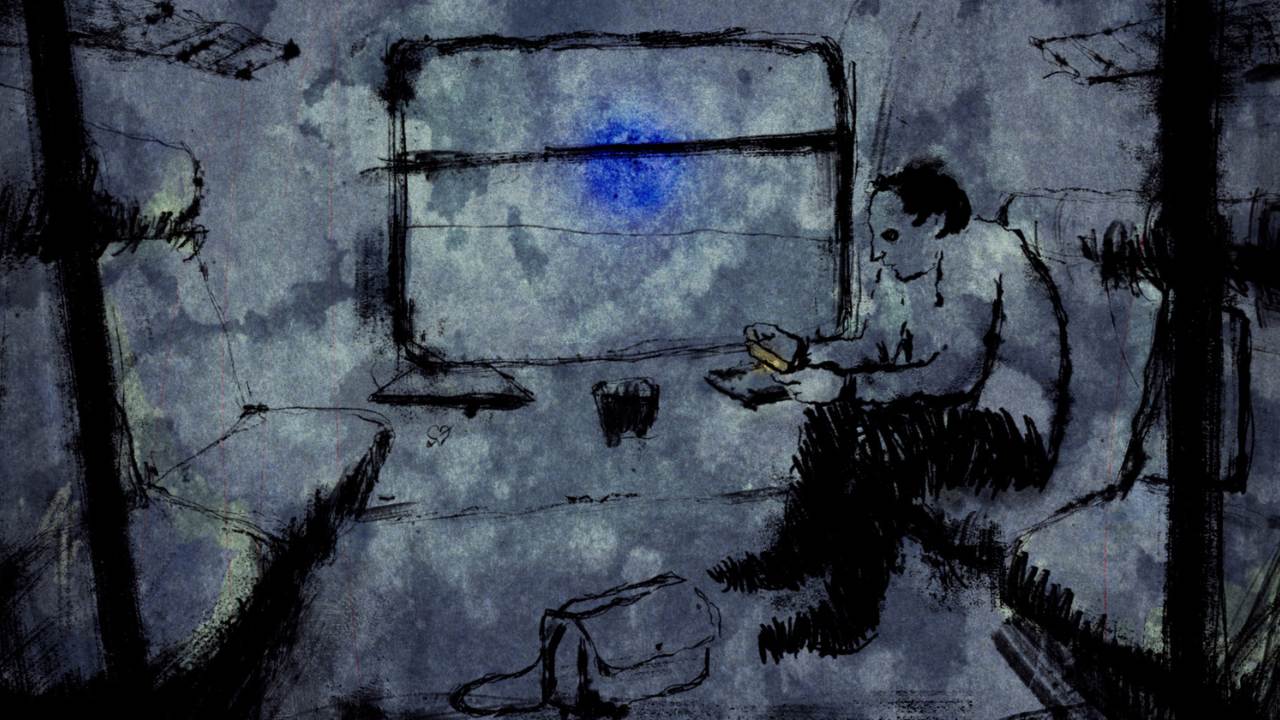
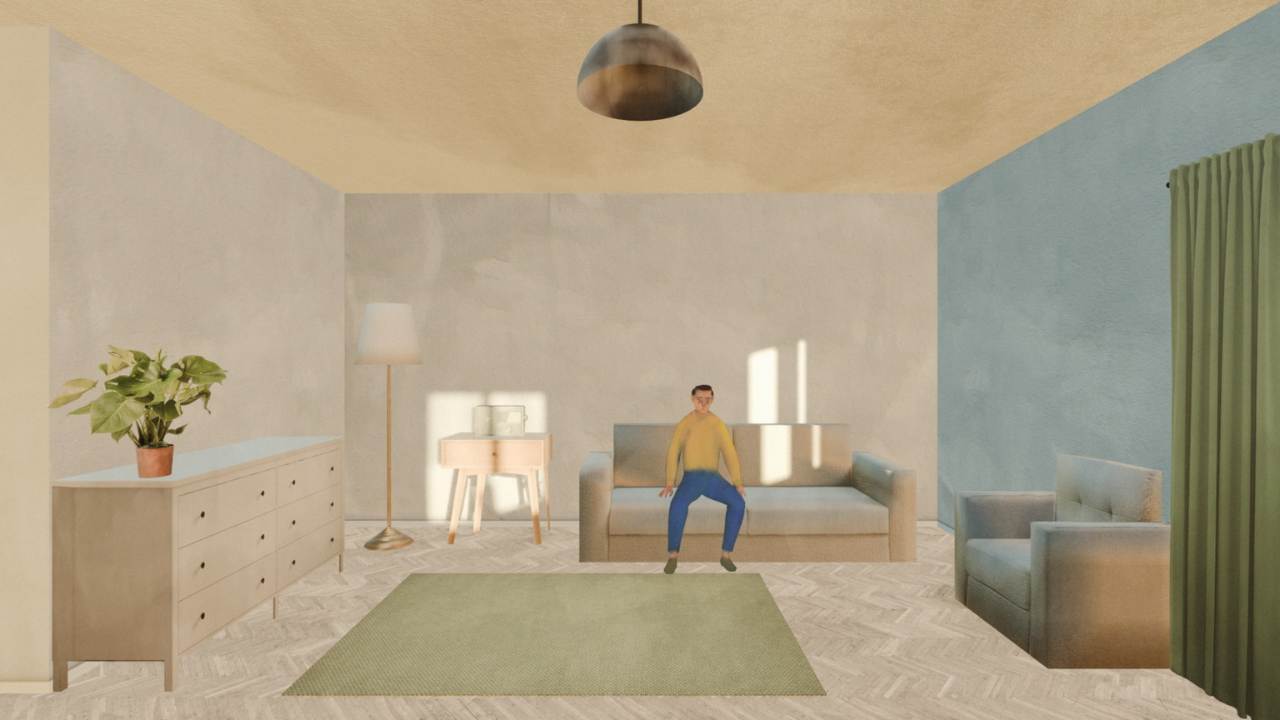
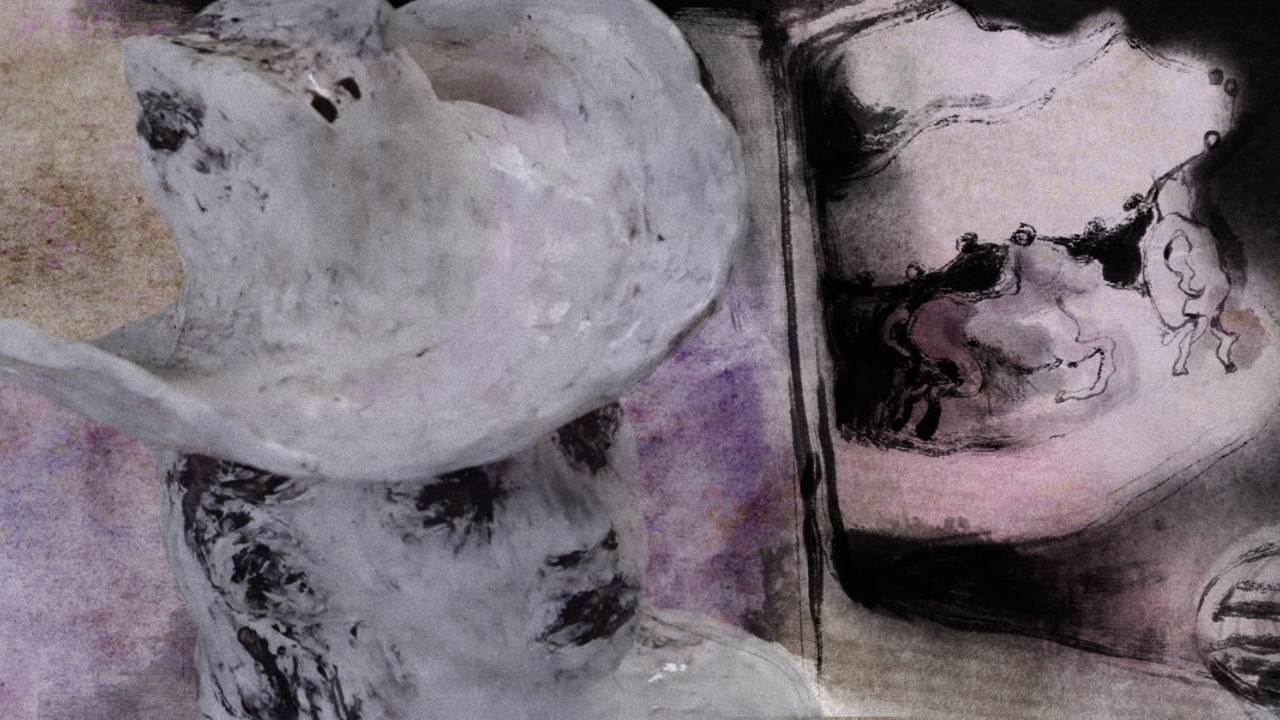
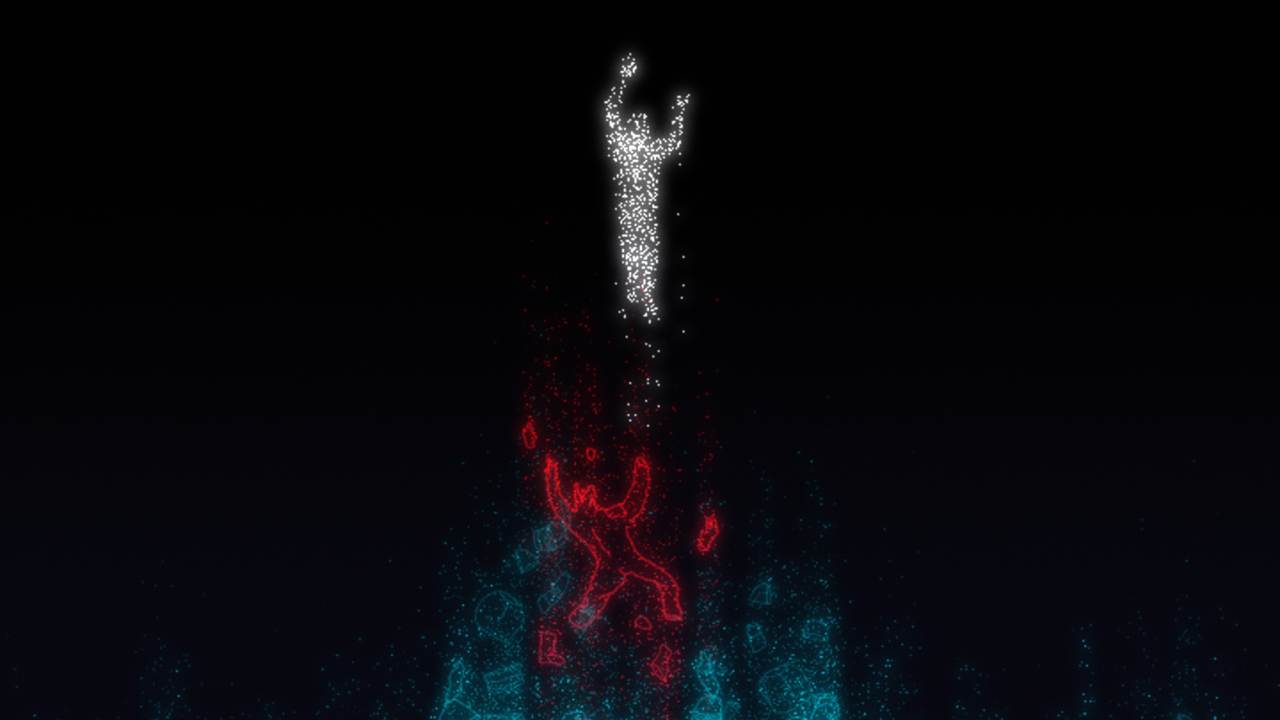
The competition’s animated entries also open themselves to poetic reflection and a more intimate tone. Autumn 2026 by Wojciech Sobczyk is a visually and musically exquisite essay on transience, human nature, and our place in the world. It finds a companion in Jin Woo’s Kkogdu – a surrealist impression of dying immersed in a vastly different cultural imagery. Likewise, the spectral dimension permeates through Wojciech Wojtkowski’s Scherzo, in which Chopin returns to Warsaw 200 years after his death and music unleashes an avalanche of memories. Intimacy and memory sound through Karolina Walas’s Pearl Against the Sun – a gently oneiric record of friendship and growing up where two girls reminisce about a summer holiday that took a dark turn – and through Natalia Krawczuk’s Three Cups of Coffee, where a single meeting, measured out sip by sip, becomes an attempt to bring the past to a close.
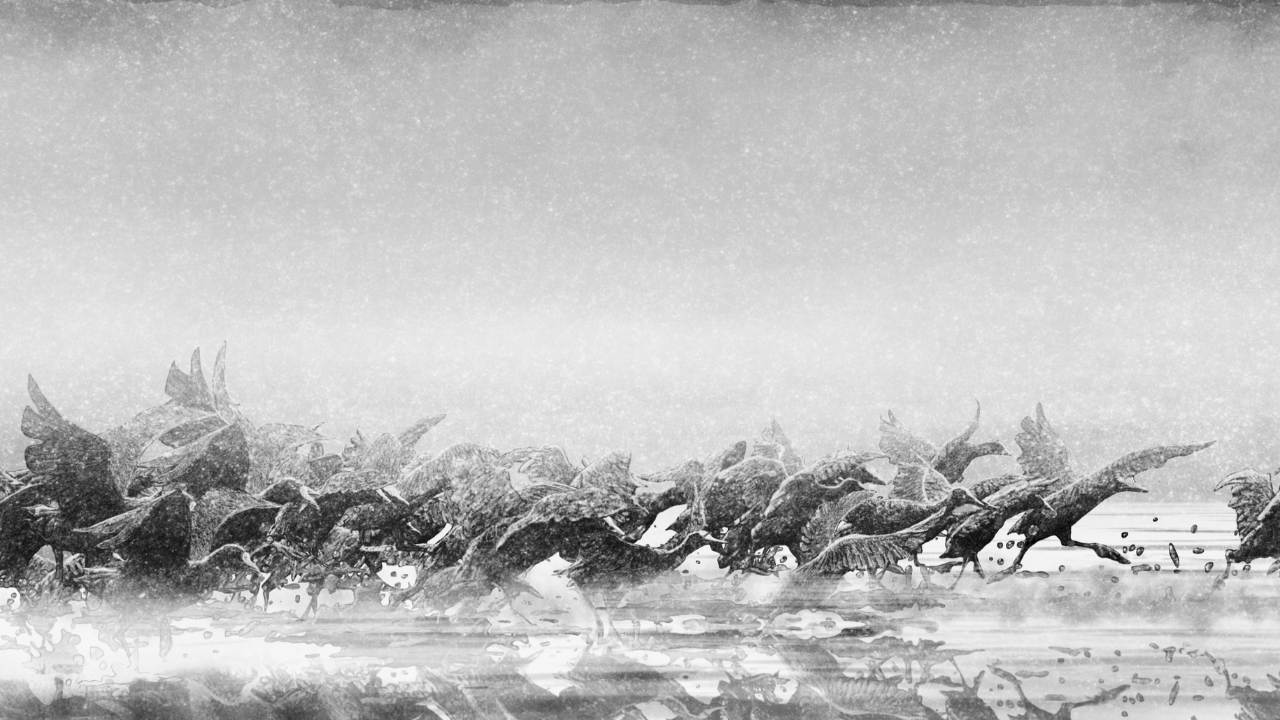
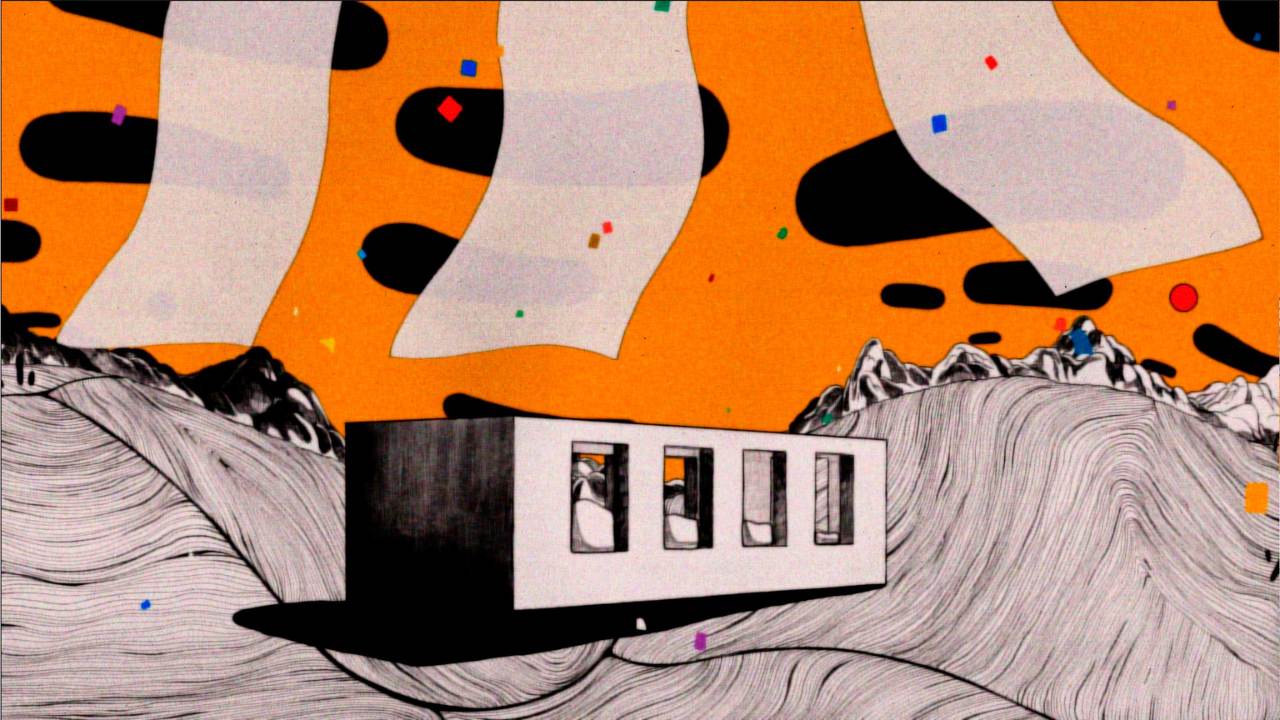
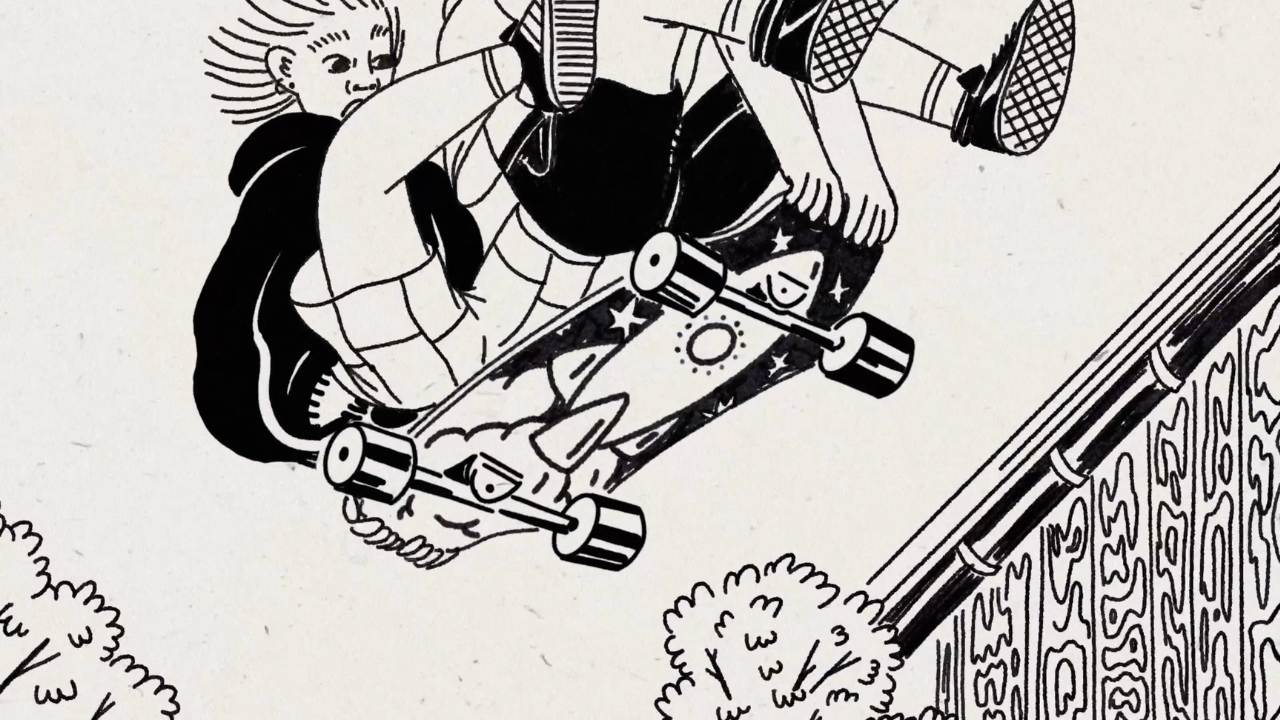
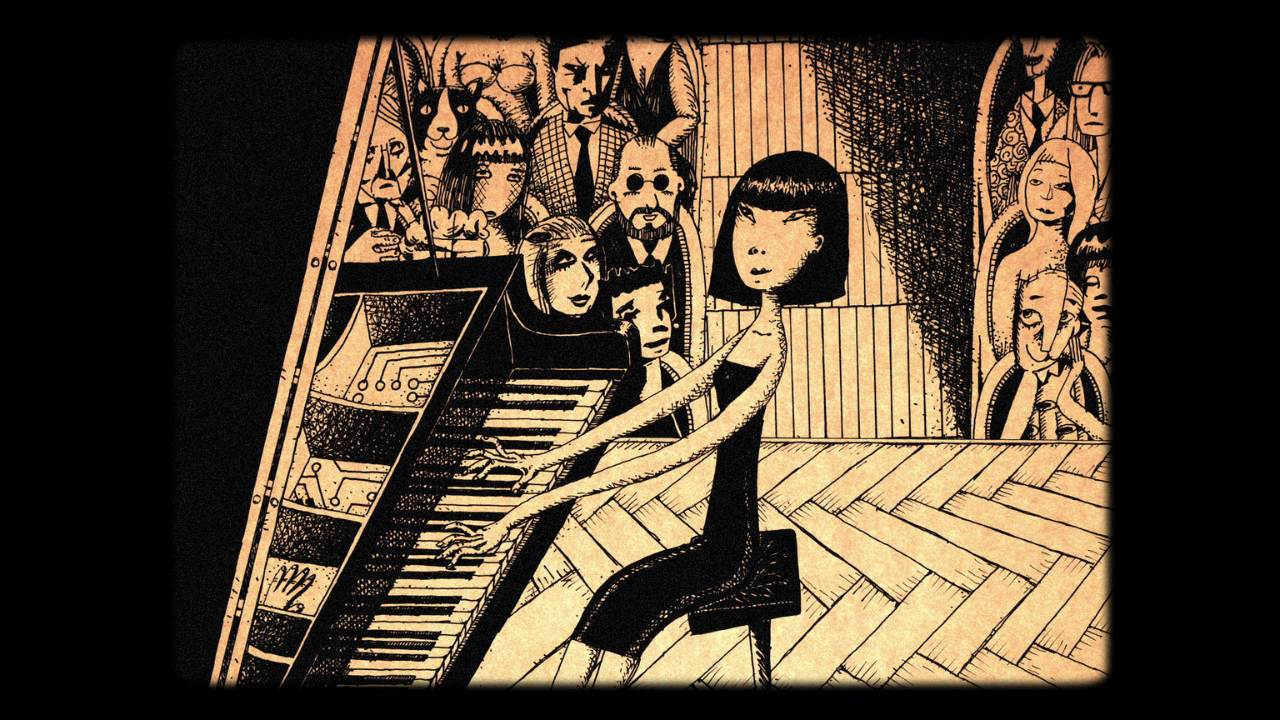
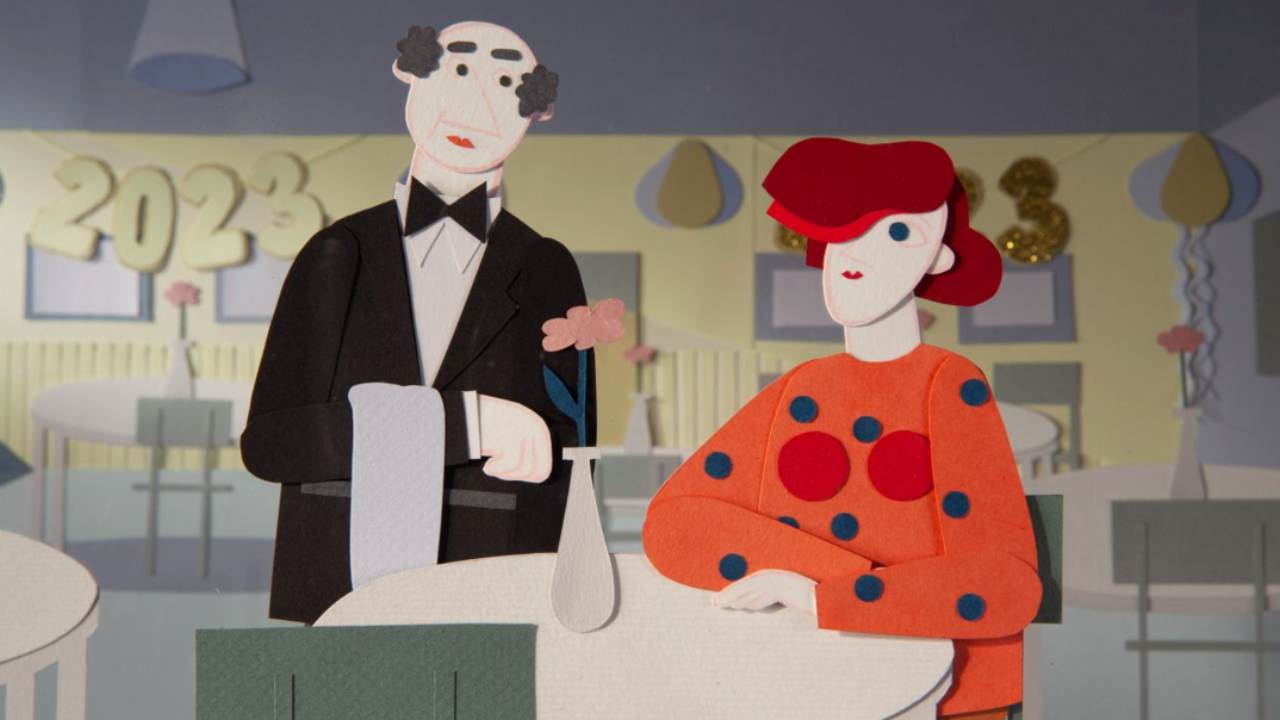
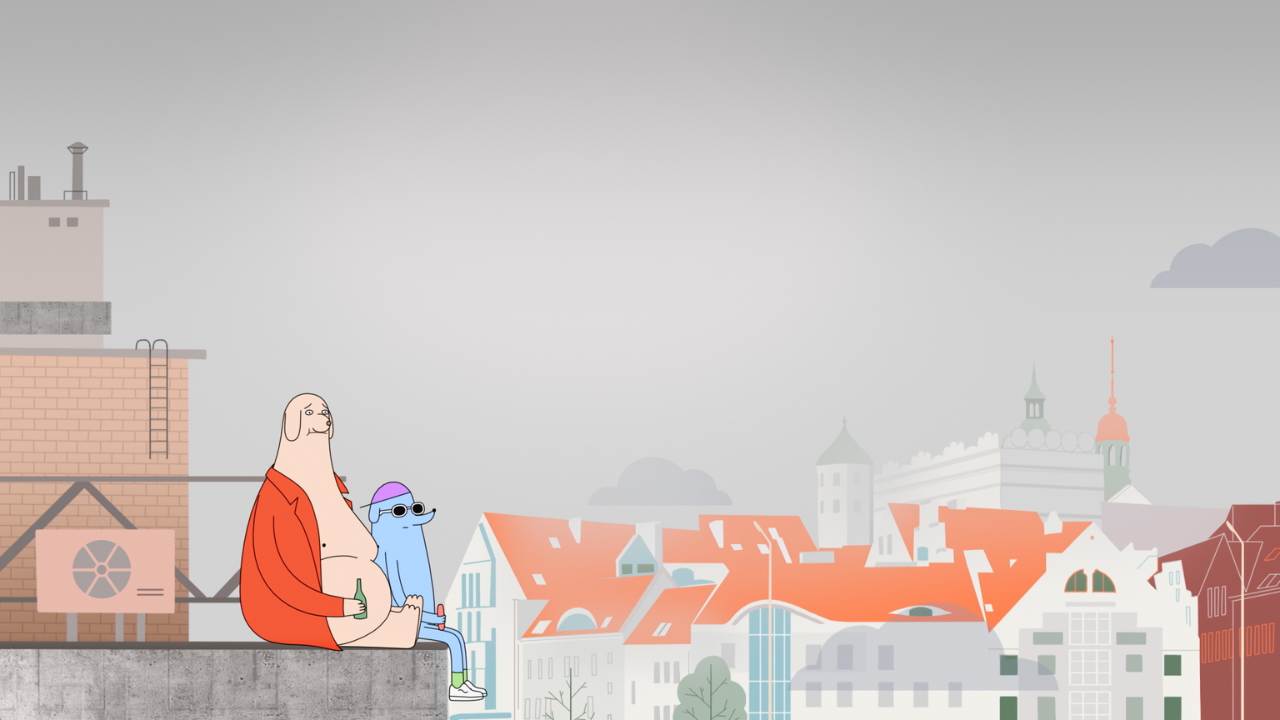
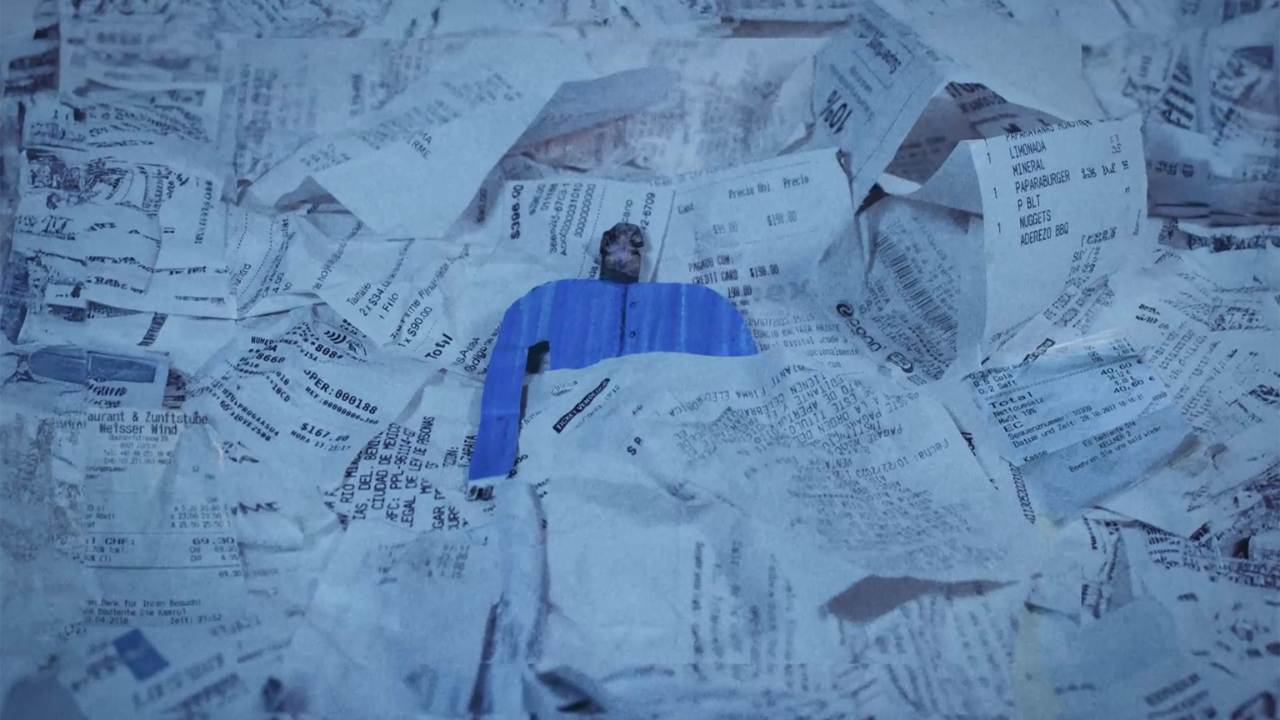
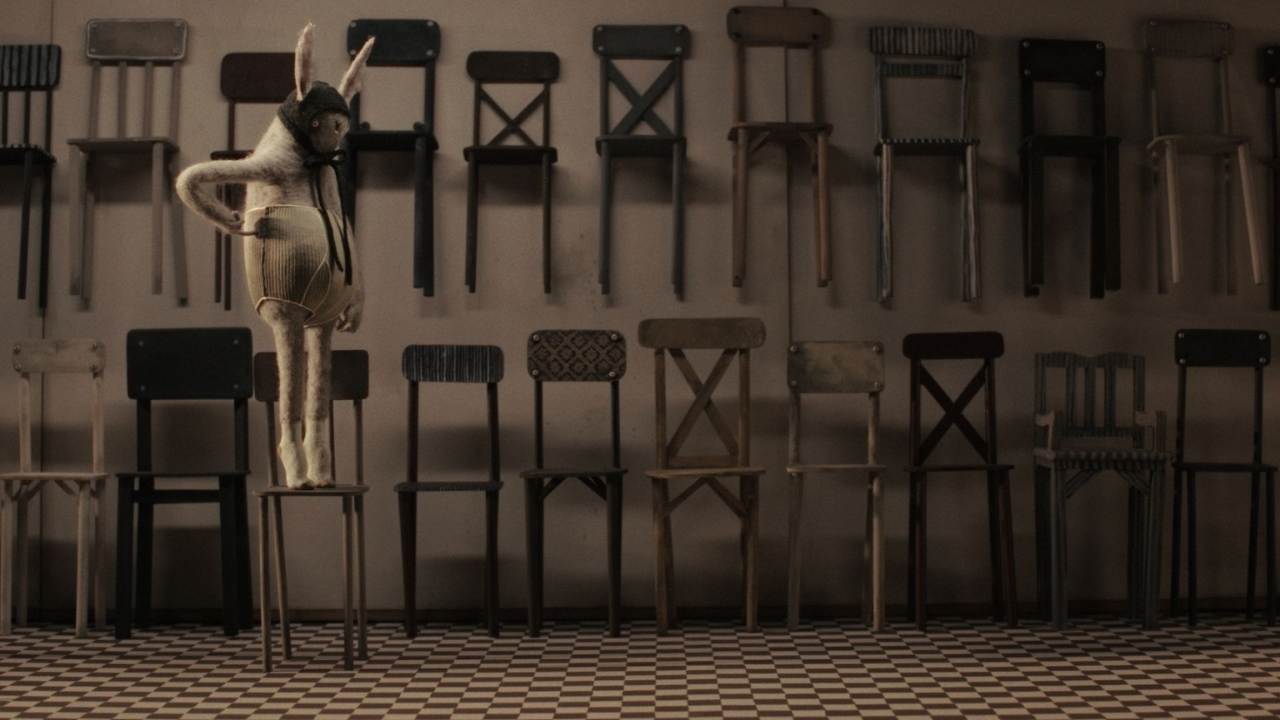
Polish animation is equally unafraid of subversive humour and irony. Procrastination Yoga by Paulina Ziółkowska skewers the cult of productivity and the absurdities of corporate life in a rhythmic, clever form. Alicja Jasina’s Almost There or a Weenie will have audiences laugh regularly with the tale of Lotar – a rapper lacking in self-confidence who, thanks to a mischievous sausage, may finally find his own voice. And finally, filled with pitch-black humour, Marianna Mrozek’s Frankie the Rabbit’s Final Preparations guides us through the titular character’s meticulous plan, in which nothing is quite what it seems.
Titles selected for the National Competition:
Feature-Length and Medium-Length Documentaries
- Guard Up!, dir. Katarzyna Wiśniowska, 63’, Poland, 2026
- House of Ants, dir. Katarzyna Kultys, 71’, Poland, 2025
- Japanese Kujawiak, dir. Dagmara Furgał, 54’, Poland, 2026
- Magic Hour, dir. Marcin Borchardt, 80’, Poland, 2026
- Notes From a Besieged City, dir. Mateusz Mularski, 76’, Poland, 2026
- Steps in Silence, dir. Fariz Ahmadov, 72’, Poland, Azerbaijan, 2025
- The Orchestra, dir. Kuba Kossak, 59’, Poland, 2026
- Tickling the Devil, dir. Piotr Małecki, Maciek Nabrdalik, 82’, Poland, 2026
Short documentaries
- Bacewicz x Bomsori, dir. Jakub Piątek, 20’, Poland, 2026
- Four Percent, dir. Monika Masłoń, 14’, Poland, 2026
- Frights from the Mills, dir. Katarzyna Kosajda, 17’, Poland, 2026
- Hidden, dir. Monika Anna Kotecka, 22’, Poland, 2026
- How To Conquer the World, dir. Tomasz Wolski, 15’, Poland, 2026
- Kontrewers, dir. Zuza Banasińska, 21’, Poland, Netherlands, France, 2026
- The Last Wild River, dir. Agnieszka Kokowska, Anastazja Dąbrowska, 15’, Poland, 2026
- Little Green Plots, dir. Filip Szela, 15’, Poland, 2026
- Mix, dir. Klaudia Szott, 24’, Poland, 2026
- The Tuners, dir. Paweł Chorzępa, 20’, Poland, 2026
- Woodeaters, dir. Julia Pełka, 14’, Poland, 2026
Short fiction films:
- A Short Film about War, dir. Nadim Suleiman, 25’, Poland, 2026
- CASE No., dir. Patrycja Polkowska, 20’, Poland, 2026
- Ghost, dir. Karol Ulman, 19’, Poland, 2026
- Half- Baked, dir. Filip Wieczorek, 23’, Poland, 2026
- The Last Family Tape, dir. Jakub Jakubik, 20’, Poland, 2026
- My Dear Bag, dir. Karolina Fronik, 17’, Poland, 2026
- Song of the Night, dir. Oskar Sadowski, 30’, Poland, 2026
- Spiritus Sanctus, dir. Michał Toczek, 15’, Poland, 2026
- They Were All Named Anzhelika, dir. Aleksandra ‘Sasha’ Kutsen, 14’, Poland, 2026
- Weird To Be Human, dir. Jan Grabowski, 16’, Poland, France, 2025
Short animated films
- Almost There or a Weenie, dir. Alicja Jasina, 7’, Poland, 2025
- Autumn 2026, dir. Wojciech Sobczyk, 19’, Poland, 2025
- Axles, dir. Jakub Krzyszpin, 7’, Poland, 2025
- Fanatic, dir. Mateusz Jarmulski, 9’, Poland, 2025
- Frankie the Rabbit’s Final Preparations, dir. Marianna Mrozek, 3’, Poland, 2026
- Kkogdu, dir. Jin Woo, 12’, Poland, 2026
- The Nest, dir. Jakub Baniak, 10’, Poland, 2026
- Pearl Against the Sun, dir. Karolina Walas, 11’, Poland, 2025
- Procrastination Yoga, dir. Paulina Ziółkowska, 8’, Poland, Germany, 2026
- Scherzo, dir. Wojciech Wojtkowski, 12’, Poland, 2025
- Summer of Smooth Asphalt, dir. Maria Dakszewicz, 6’, Poland, 2026
- Three Cups of Coffee, dir. Natalia Krawczuk, 10’, Poland, 2026
Insider passes for the 66th Krakow Film Festival are now on sale!
The Krakow Film Festival is on the exclusive list of film events qualifying for the Academy Awards® in short film categories (fiction, animation, documentary) and feature-length documentary, the European Film Awards in the same categories, and serves as a qualifying event for the BAFTA Awards.
The Krakow Film Festival is organised with financial support from the City of Krakow, the Polish Film Institute, the Creative Europe MEDIA Programme, and the Ministry of Culture and National Heritage from the Culture Promotion Fund – a state purpose fund. The Polish Filmmakers Association serves as co-organiser.The 66th Krakow Film Festival will be held in cinemas from 31 May to 7 June 2027 and online on KFF VOD from 5 June to 19 June 2026.