The Balkans are a landscape marked by memory and fracture – but also by extraordinary energy, imagination, and stories that, for all the weight of history pressing down upon them, continue to search for a way forward. This year’s Focus journeys through post-war Sarajevo, Rijeka transformed into political theatre, the fading Yugoslavia, the austere mountains of North Macedonia, and Albanian stories of freedom won through sacrifice. Together, the feature-length documentaries and short films made by emerging filmmakers form a polyphonic portrait of the region – hypnotic, melancholic, tinged with sardonic humour, rich in striking imagery and music, and yet constantly returning to the question of how one goes on living in places where private lives remain inseparable from grand history.
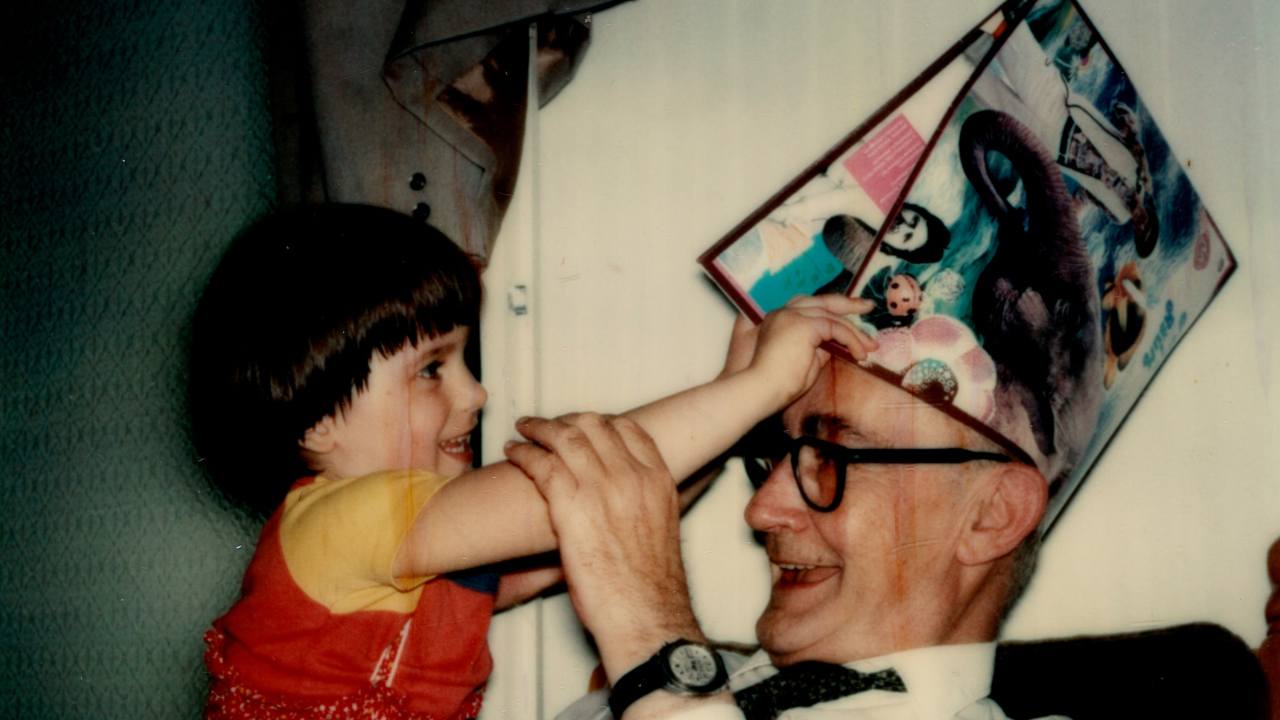
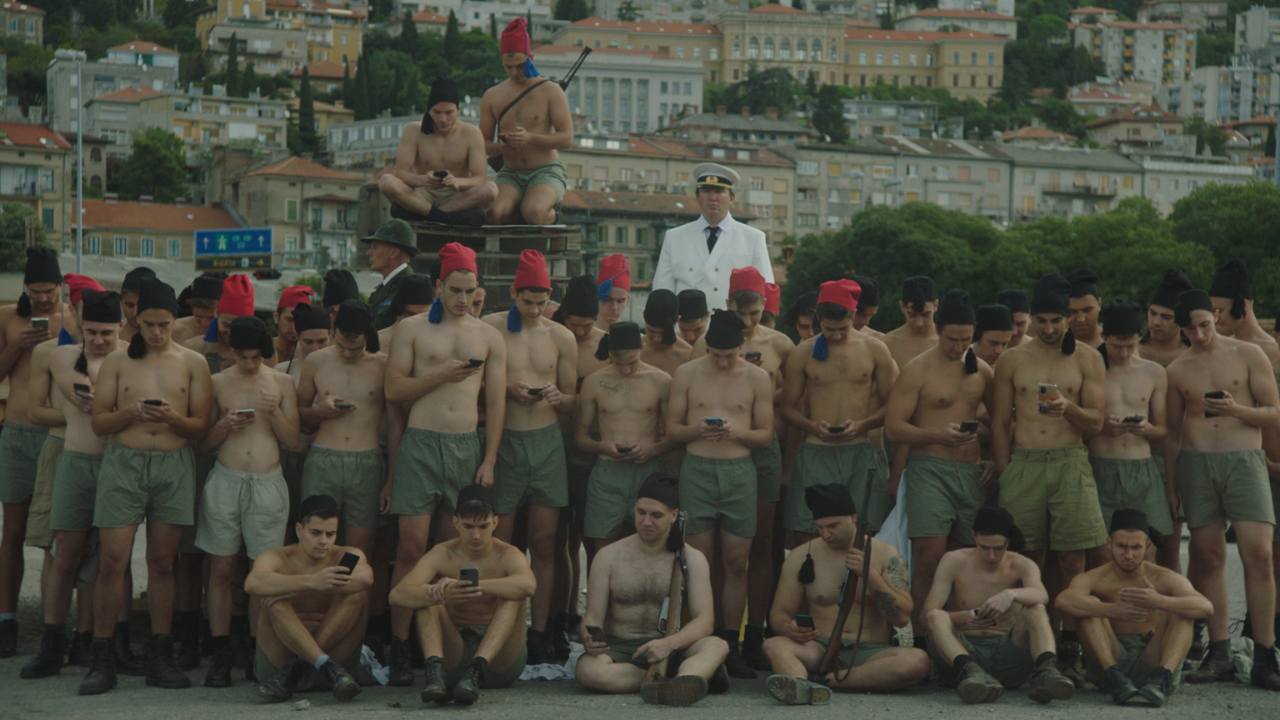
The feature documentary programme opens with stories of visions that once attempted to reshape reality – sometimes through collective endeavour, sometimes through political spectacle. In Jasmila Žbanić’s Blum – Masters of Their Own Destiny, post-war Sarajevo becomes the setting for a story about Emerik Blum – a war survivor, engineer, and entrepreneur who founded Energoinvest, a company built around what was, for its time, a revolutionary principle: the shared responsibility of its workers. From the story of one Yugoslav economic experiment, the programme moves towards a very different political performance. In Fiume o Morte!, directed by Igor Bezinović, the residents of present-day Rijeka revisit the events of 1919, when Gabriele D’Annunzio transformed the occupied city of Fiume into a stage for grandiose gestures, manifestos, and nationalist ceremony. With an absurdist wit, the film illuminates how effortlessly politics collapses into theatre.
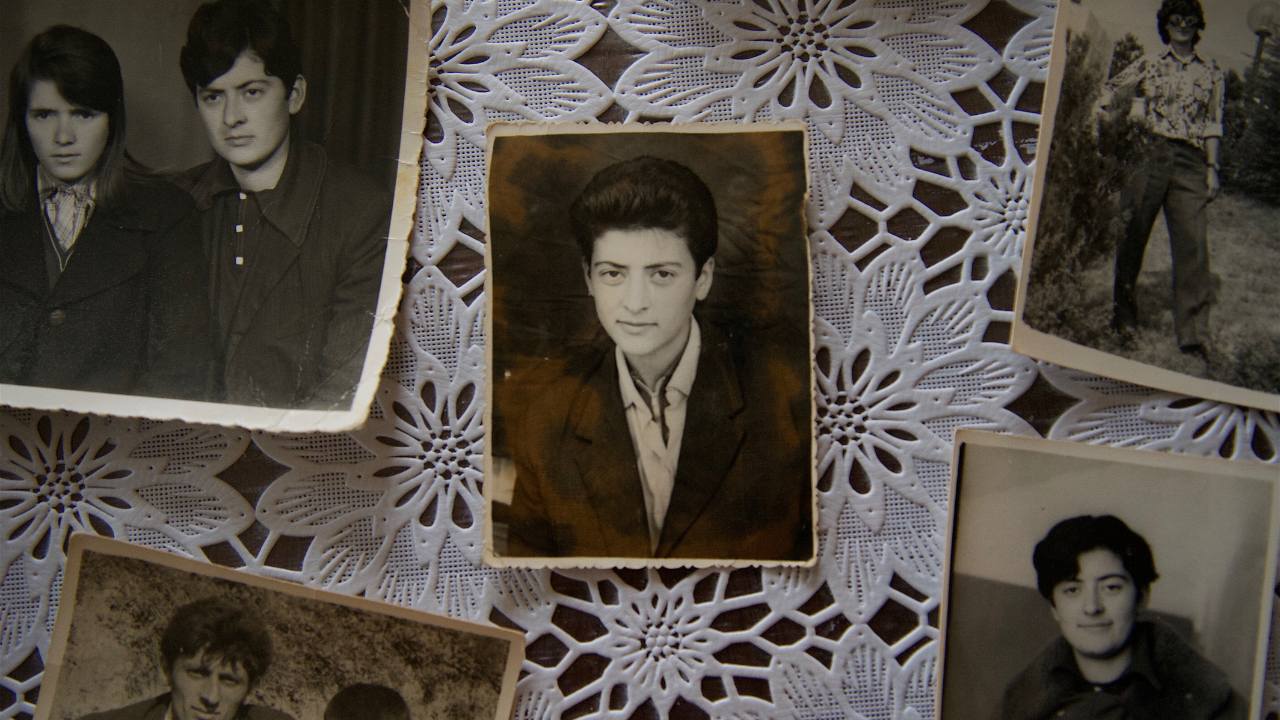
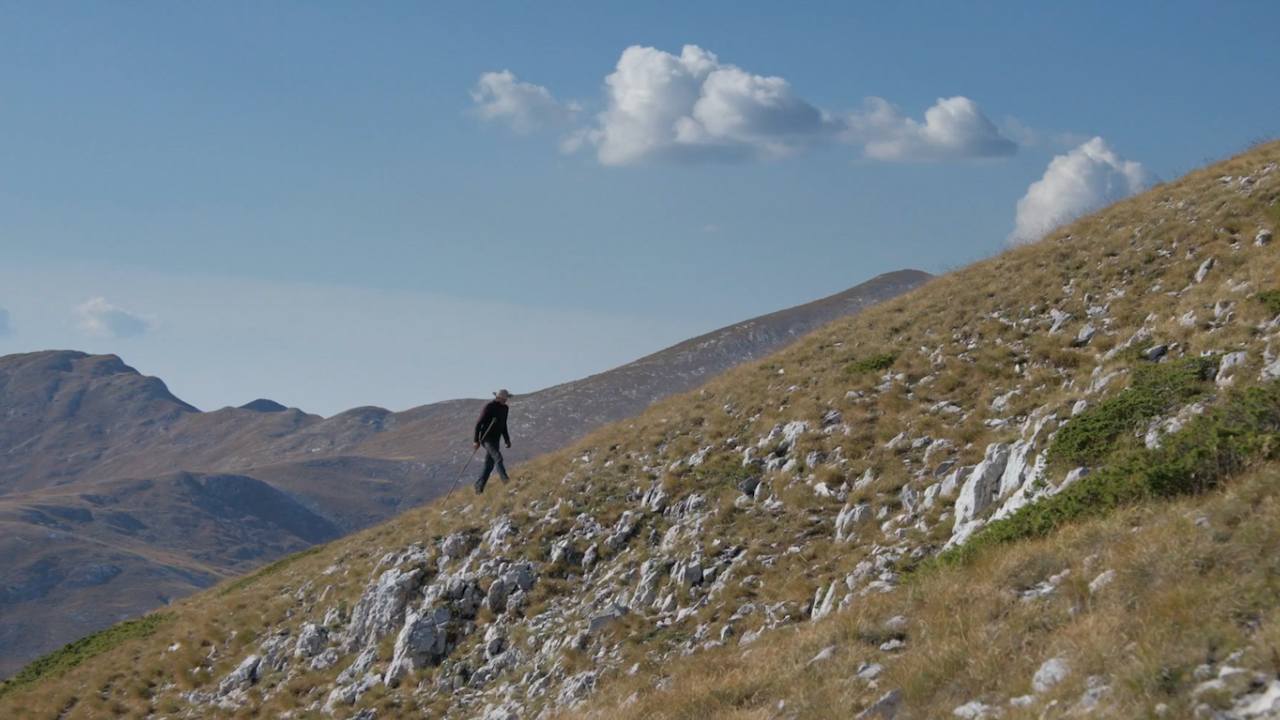
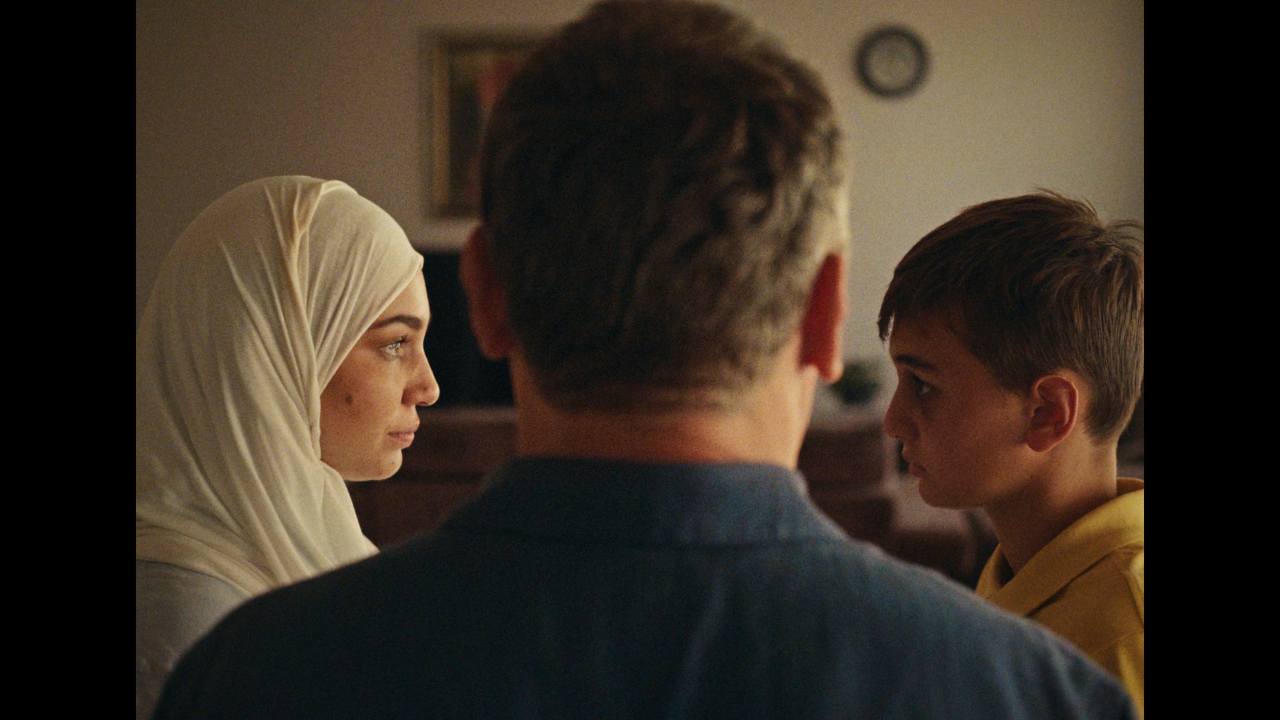
The dissolution of the old world returns in Jure Pavlović’s The Lost Dream Team, where archival footage and conversations with legendary players construct a deeply moving portrait of the Yugoslav national basketball squad competing for gold at the 1991 European Championship while the country itself edges towards the political crisis that would soon erupt into war. Set against these vast historical upheavals, the quieter and more intimate stories resonate even stronger. In The Mountain Won’t Move, Petra Seliškar tells the story of five brothers coming of age amid the unforgiving peaks of North Macedonia, amongst sheep, shepherd dogs, and the routine of daily labour – yet even within their isolated world, the dream of what might await them beyond the mountains remains. Questions of choosing one’s own path, albeit within a very different cultural framework, also shape House with a Voice by Kristine Nrecaj and Birthe Templin, which observes six Albanian burrnesha – women who have chosen to live socially as men, thereby gaining independence and social freedoms, though only at the cost of profound personal sacrifice.
Short Films
The programme is complemented by a selection of short films showcasing the breadth of forms, subjects, and sensibilities among emerging filmmakers – from social realism and cinema of memory to a stark parable, a rite-of-passage, and an animated metaphor for a world in perpetual flux.
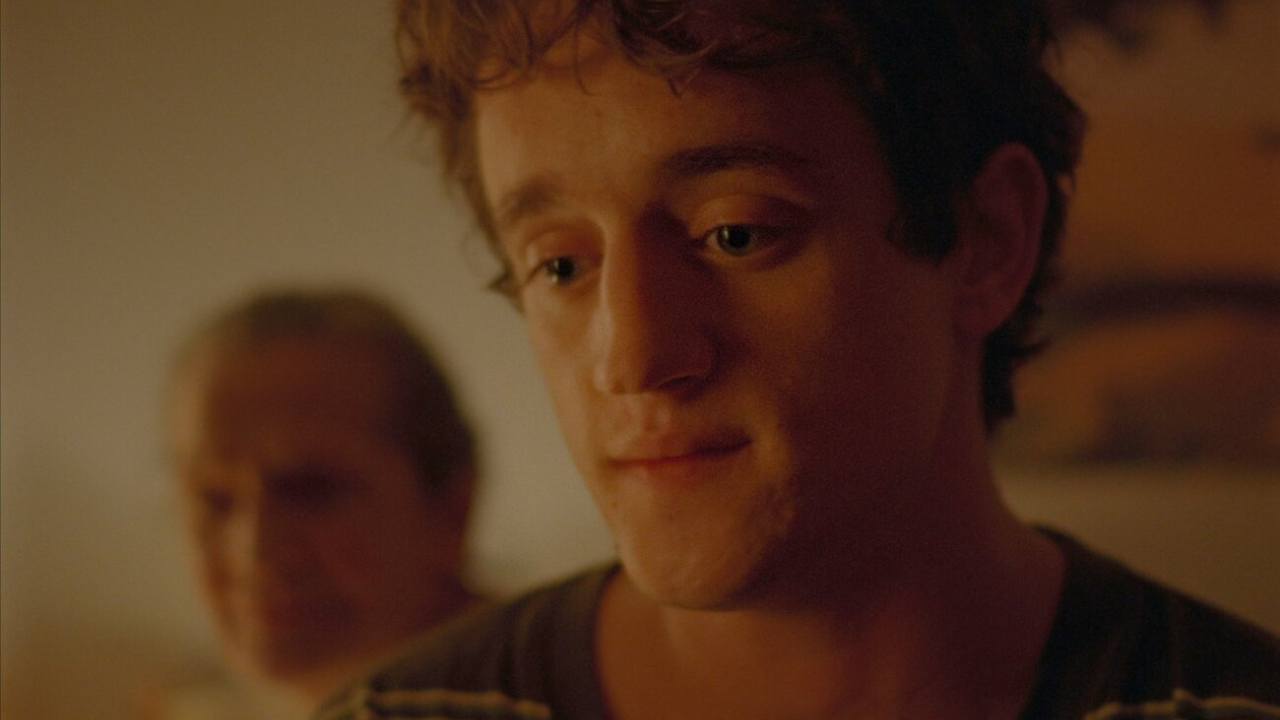
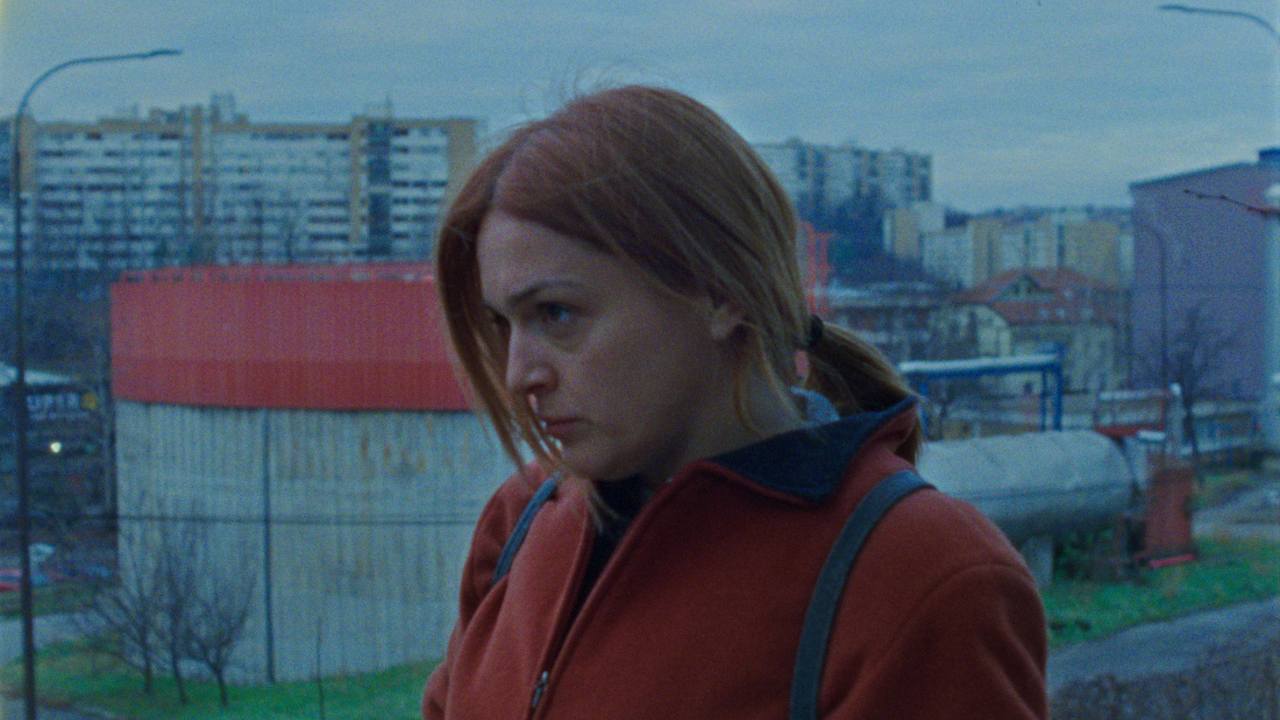
In Shallow Ground, Jozo Schmuch turns the meeting between a son and his ageing mother into a confrontation between past and present. Vukovar – a city of modern shopping centres and old cemeteries – reveals how the memory of the fratricidal Balkan wars cannot be separated from everyday life today. A similarly oppressive atmosphere of the contemporary Balkan metropolis permeates Upon Sunrise by Stefan Ivančić, a short fiction film rooted in social realism, whose suggestive details and unobtrusive symbolism allow the audience to breathe, for a brief fifteen minutes, entirely in the rhythm of its protagonist.
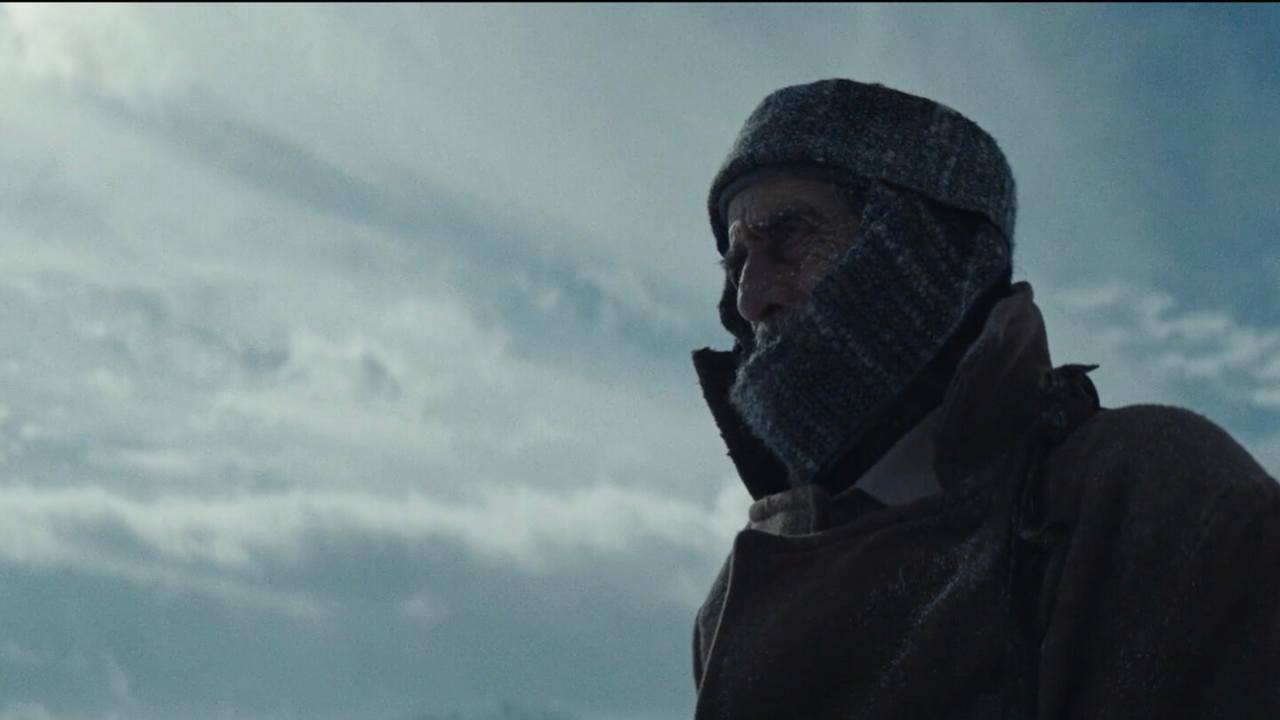
From the city streets, the programme moves to the snowbound wilderness of Montenegro in Bark by Branislav Milatović, where a father, in near silence, carries his injured son to safety, each step becoming a test of love, sacrifice, and physical endurance. A different, more enigmatic journey unfolds in Tarik by Adem Tutic, where a Serbian teenager travels through a mountainous landscape and his own fears, nursing a black eye and a series of questions to which the film’s unhurried narrative only gradually begins to offer answers.
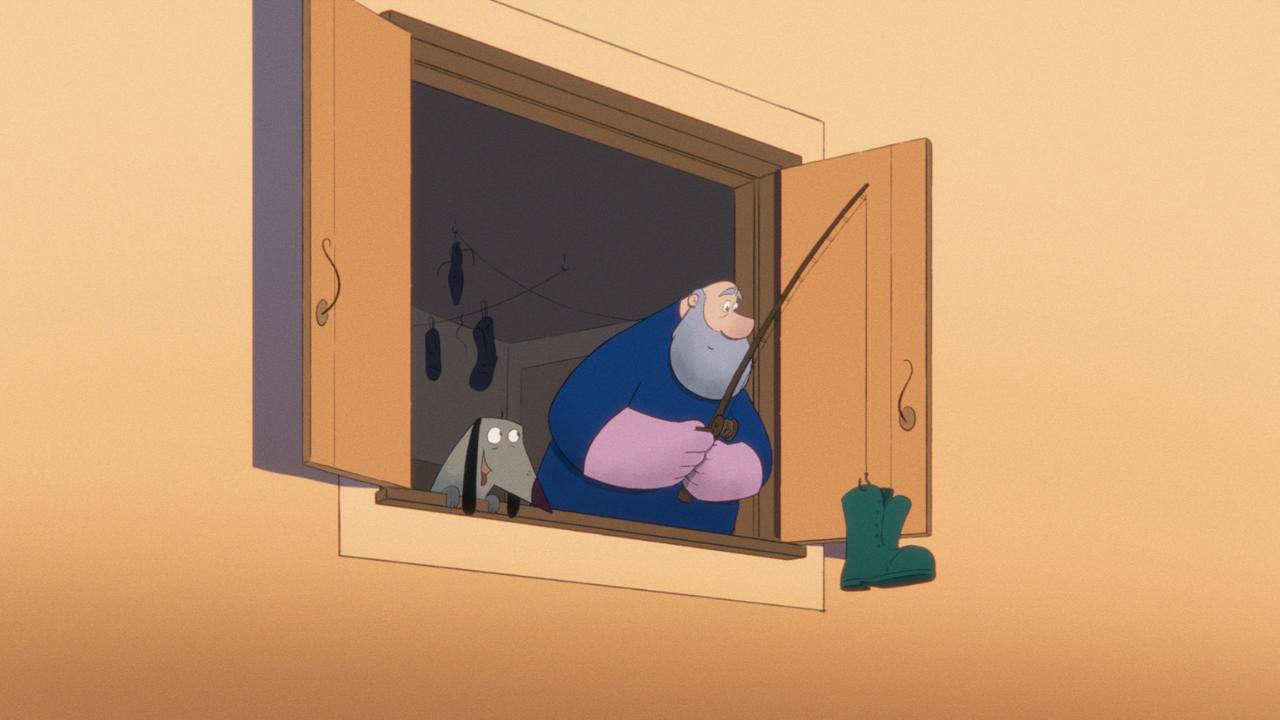
The programme concludes with Veronika Hozjan’s Fin People, which transports us to a city disappearing beneath water, where some flee while others begin to adapt to a new reality, and an elderly cobbler clings to the life he has always known. This delicate, gently humorous animation becomes a quietly bitter metaphor for the contemporary world – one racing towards change that not everyone wishes, or is able, to keep pace with.
Films featured in the Balkans in Focus section:
- Blum – Masters of Their Own Destiny, dir. Jasmila Žbanić, 76’, Bosnia and Herzegovina, 2025
- Fiume o Morte!, dir. Igor Bezinović, 112’, Croatia, Italy, Slovenia, 2025
- The Mountain Won’t Move, dir. Petra Seliskar, 123’, France, North Macedonia, 2025
- Upon Sunrise, dir. Stefan Ivancic, 15’, Serbia, Spain, Slovenia, Croatia, 2025
- Shallow Ground, dir. Jozo Schmuch, 20’, Croatia, 2025
- Bark, dir. Branislav Milatović, 17’, Montenegro, 2024
- Tarik, dir. Adem Tutic, 27’, Serbia, 2025
- The Lost Dream Team, dir. Jure Pavlović, 85’, Croatia, Serbia, 2025
- Fin People, dir. Veronika Hozjan, 10’, Slovenia, Croatia, 2026
- House with a Voice, dir. Kristine Nrecaj, Birthe Templin, 87’, Germany, 2024
Insider passes for the 66th Krakow Film Festival are now on sale!
The Krakow Film Festival is on the exclusive list of film events qualifying for the Academy Awards® in short film categories (fiction, animation, documentary) and feature-length documentary, the European Film Awards in the same categories, and serves as a qualifying event for the BAFTA Awards.
The Krakow Film Festival is organised with financial support from the City of Krakow, the Polish Film Institute, the Creative Europe MEDIA Programme, and the Ministry of Culture and National Heritage from the Culture Promotion Fund – a state purpose fund. The Polish Filmmakers Association serves as co-organiser.
The 66th Krakow Film Festival will be held in cinemas from 31 May to 7 June 2027 and online on KFF VOD from 5 June to 19 June 2026.